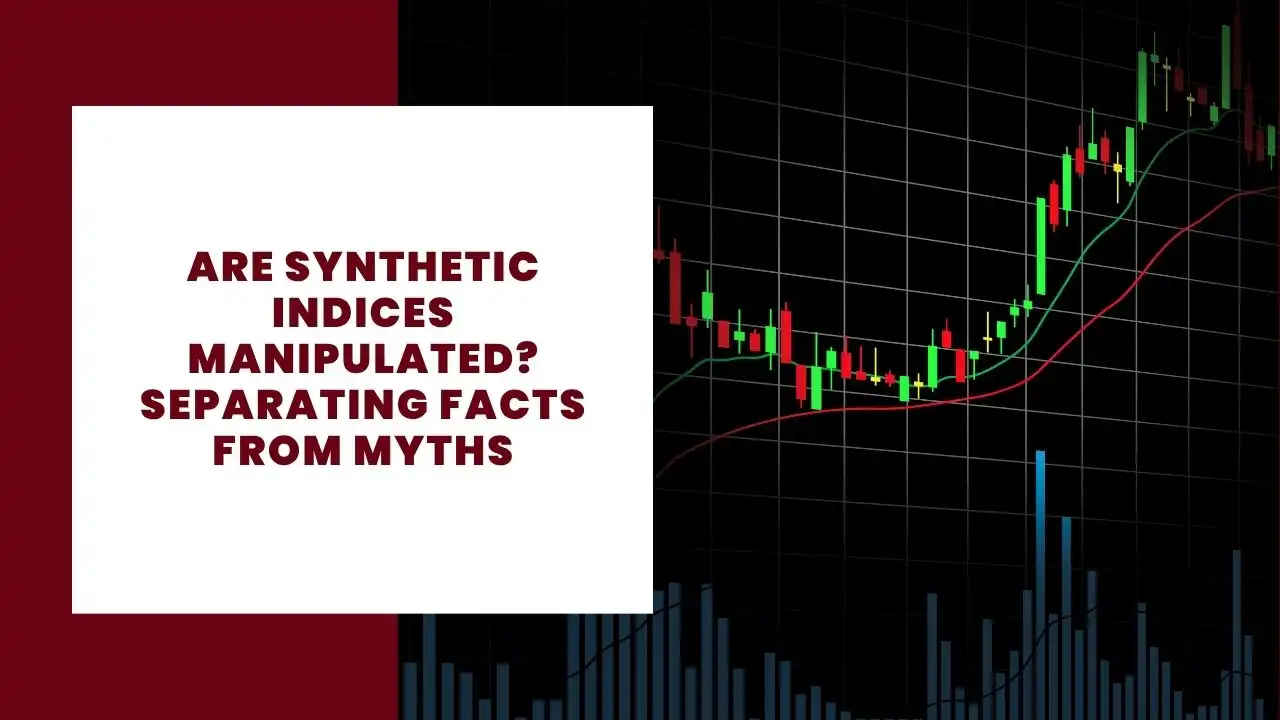
Synthetic indices are popular with online traders because they’re always changing, available 24/7, and aren’t tied to real economic trends. But here’s the thing – a lot of beginners and even experienced traders worry that these indices are fake or somehow fixed. People can understandably think this when they see unexpected changes or lose money. This article explains how you can understand why this happens by looking at the tech behind synthetic indexes, how they’re regulated, and the part probability plays.
Here are factors that separate facts from myths when it comes to synthetic indices:
Generated by Algorithms, Not Human Traders
The key thing about synthetic indices is that they aren’t influenced by humans like regular currencies or stocks can be. It is actually complex algorithms, not market insiders or central banks, that make these indices move. They are not affected by news events either. Instead, special systems with random number generators create the price changes you see. These systems run on set mathematical models, so human emotions and opinions don’t affect prices at all. Many times, people overlook this setup when wondering: “Are synthetic indices manipulated?” And that can cause confusion about why prices act the way they do.
Manipulation Does Not Equate to Losing Traders
After taking a hit from a few losses, many traders might think the market is rigged. Even though frustration is understandable, those losses alone don’t point to foul play. Risk is just part of trading; losing streaks happen, even with the best strategies. Sometimes, traders add to their problems by overleveraging their accounts, neglecting proper risk management, or failing to stay consistent. It’s common for traders, when facing these questions of “Are synthetic indices manipulated?” to overlook the flaws in their own strategies. Successful traders focus more on boosting their discipline, refining their methods, and managing risk, rather than jumping to the conclusion that the system is against them.
Independent Audits of Reputable Providers
Another misconception out there is that synthetic indices run on their own. In reality, reliable providers normally get independent audits of their systems and random number generators. These audits check that the algorithms work fairly and without bias, meeting certain standards for reliability and unpredictability. So, when traders ask “are synthetic indices manipulated?” they need to consider the provider’s credibility, legal standing, and audit procedures. Choosing well-reviewed suppliers helps alleviate any concerns about fairness and builds trust in the marketplace. You can check out Syntxwiki for reliable resources about synthetic indices.
Adhere to Mathematical Probabilities
Following the mathematical probabilities is key for synthetic indices. These indices rely on probability distributions, not manipulation; the algorithms just follow stats-based models. Some folks think it’s all a big gamble with made-up numbers. But if we’re asking, “Are synthetic indices manipulated?” the truth is that many traders use analysis, manage risk, and make smart decisions despite uncertainties. Trading lets folks steer outcomes through smarts and self-discipline – unlike gambling, which is way more hit or miss.
Conspiracy Theories are not as Important as Risk Awareness.
Proper risk management is way more beneficial to traders than focusing on conspiracy theories. After all, long-term success depends mostly on position sizing, stop-loss placement, and controlling emotions, not wondering “are synthetic indices manipulated?” Managing risks helps traders save money for future opportunities and prepare for losses. It also keeps expectations realistic. Traders who hone their skills usually do better than those constantly seeking external reasons for losses. Consistently following a system works better than debating unsupported claims.
Conclusion
The debate about whether synthetic indices are manipulated. stems mostly from misconceptions about how these markets work. Synthetic indices are made by algorithms following mathematical probabilities; many also pass independent audits. Losses are irritating, but that doesn’t necessarily point to manipulation. In a similar vein, the question “Is synthetic indices gambling?” ignores the fact that trading requires risk management, strategy, and analysis.