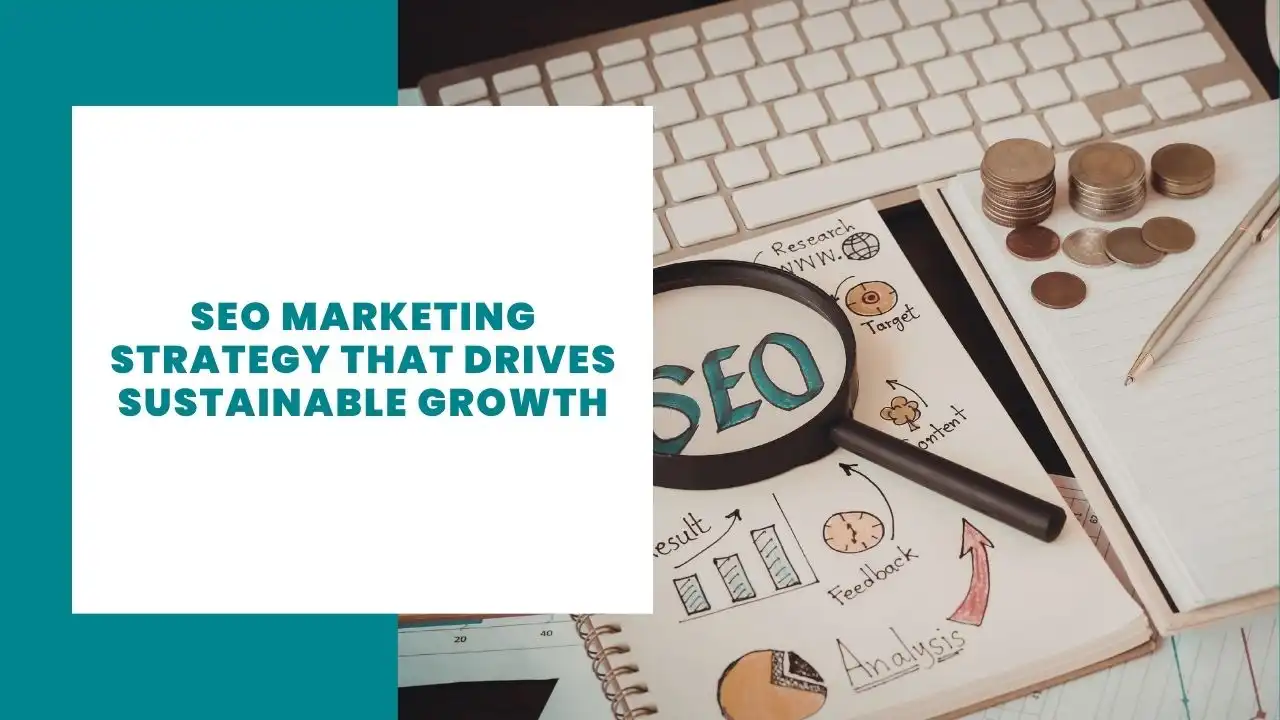
An effective SEO marketing strategy is the foundation of long-term visibility and consistent growth in organic search. As search engines continue to evolve, SEO has evolved from a purely technical discipline into a comprehensive digital marketing approach that balances user experience, content quality, and technical precision. Businesses that invest in SEO strategies built on best practice principles are better positioned to rank higher, attract qualified traffic, and build lasting brand awareness.
SEO takes time, but when implemented correctly, it delivers measurable benefits that compound over time and strengthen overall marketing efforts.
1. Understanding the Role of SEO in Digital Marketing
SEO marketing focuses on improving how a website appears in search engine results. Search engines like Google evaluate hundreds of signals to determine ranking, including relevance, authority, and usability. A successful SEO strategy aligns these signals with business goals.
Search engine optimization supports digital marketing by increasing visibility in search engines, driving organic search traffic, and reducing reliance on paid advertising. SEO helps search engines understand a website’s content while ensuring users find valuable, high-quality information.
2. Keyword Research and Search Intent Alignment
Keyword research is the starting point of every effective SEO marketing strategy. It identifies the queries users type into search engines and reveals search intent behind each keyword. Understanding whether users want information, a product, or a service allows marketers to create content that meets expectations.
Optimizing for the right keyword improves ranking in search results and helps attract users who are more likely to convert. Keyword research also informs content marketing, on-page SEO, and overall SEO tactics.
3. On-Page SEO as the Foundation of Optimization
On-page SEO focuses on optimizing individual pages so users and search engines can understand them clearly. This includes optimizing headings, meta description tags, internal linking, alt text for images, and overall content structure.
Strong on-page SEO improves user experience and helps search engines understand how each page contributes to the website’s overall topic relevance. Best practices include clear formatting, descriptive metadata, and content aligned with search intent.
4. Technical SEO and Website Performance
Technical SEO ensures that a website can be crawled, indexed, and ranked efficiently. This includes site speed, mobile usability, secure connections, structured data, and schema markup implementation.
Using tools like Google Search Console helps identify SEO issues that may affect visibility in search engines. Technical SEO plays a critical role in helping search engines understand website content and prioritize it in the search engine results page.
5. Content Marketing and SEO Integration
Content marketing is a core part of modern SEO. High-quality content attracts backlinks, increases engagement, and builds authority over time. Content should be created for both users and search engines, focusing on value rather than keyword stuffing.
SEO best practices include using keywords naturally, optimizing content for queries, and addressing topics comprehensively. Content marketing strengthens SEO performance by supporting organic rankings and improving visibility in search results.
6. Off-Page SEO and Link Building Strategies
Off-page SEO focuses on actions taken outside your website to improve ranking and authority. Link building remains a vital component, as backlinks signal trust and relevance to search engines.
High-quality backlinks from reputable sources improve organic rankings and increase visibility in search engines. Off-page SEO also supports brand awareness and referral traffic, contributing to a stronger SEO foundation.
7. Local SEO and Business Profile Optimization
Local SEO is essential for businesses serving specific geographic areas. Optimizing a Google Business Profile helps businesses appear in local search results and Google Maps.
Local SEO strategies include optimizing your business profile, managing reviews, and ensuring accurate business information. This improves visibility in search and supports organic search traffic from nearby users.
8. Measuring SEO Performance and Tracking Progress
Tracking SEO performance is critical for refining your SEO marketing strategy. Tools like Google Search Console and analytics platforms help monitor organic traffic, rankings, and user behavior.
SEO experts track metrics such as organic search traffic, ranking in search results, and engagement to evaluate SEO success. Tracking data over time allows marketers to adjust strategies and focus on what delivers results.
9. Avoiding Common SEO Mistakes
SEO mistakes can limit performance and slow growth. Common issues include ignoring technical SEO, focusing on short-term tactics, or failing to optimize for users.
SEO best practices include prioritizing user experience, creating high-quality content, and building a strong SEO foundation. Avoiding shortcuts ensures long-term SEO success.
FAQs About SEO Marketing Strategy
What is an SEO marketing strategy
An SEO marketing strategy is a structured plan to improve visibility in search engines through keyword research, content optimization, technical SEO, and link building.
How long does SEO take to show results
SEO takes time. Most websites see meaningful improvements within three to six months, depending on competition and current SEO performance.
Why is keyword research important for SEO
Keyword research identifies what users search for and helps align content with search intent, improving ranking and organic traffic.
Is technical SEO necessary for every website
Yes, technical SEO is essential for helping search engines crawl, index, and rank a website effectively.
Can SEO work alongside other digital marketing strategies
SEO works best when combined with content marketing, social media marketing, and other digital marketing strategies.
Conclusion of SEO Marketing Strategy
A strong SEO marketing strategy is essential for businesses that want sustainable visibility and growth. By focusing on keyword research, technical SEO, content marketing, and link building, businesses can create an effective SEO framework that supports long-term success.
SEO is an ongoing process that evolves with search engine trends and user behavior. When executed consistently and strategically, SEO delivers measurable benefits, strengthens digital marketing performance, and builds lasting authority in organic search.