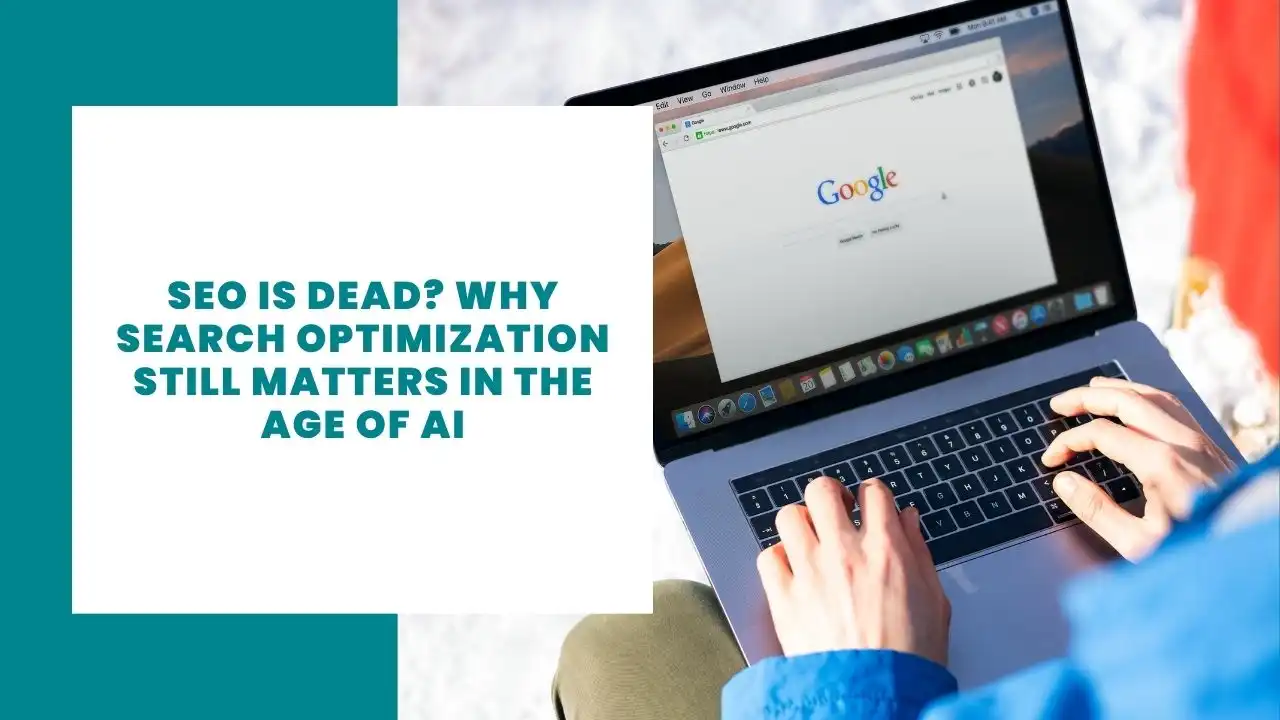
“SEO is dead” has become one of the most repeated phrases in the SEO world. With the rise of AI search, chatbots like ChatGPT, platforms like Perplexity, and Google’s AI Overviews, many marketers believe that traditional search engine optimization no longer works. Search interfaces are changing, generative answers are replacing blue links, and people search in new ways across platforms such as TikTok, Reddit, and AI-powered tools.
Yet despite these shifts, SEO is not dead. It has evolved. In 2026, engine optimization is no longer only about ranking pages in traditional search engines. It is about visibility across AI-driven search, generative results, and new search experiences that reshape how users find information.
1. Why People Say “SEO Is Dead”
The claim that “SEO is dead” often comes from visible changes in how search results are presented. Google Search now includes AI Overviews at the top of search pages. AI chatbots generate answers directly. Users increasingly rely on AI search engines, large language models, and generative tools instead of clicking through multiple links.
For many marketers, this feels like the end of organic search. If AI answers the query instantly, why would users visit websites? If search engines like Google and Bing provide AI-driven summaries, how can traditional SEO still drive search traffic?
This perception is reinforced by declining click-through rates on some informational searches. When AI-generated responses appear at the top of search results, fewer users scroll to traditional search results. It creates the impression that SEO strategies built for older search engines no longer work.
2. How AI Has Changed the Search Landscape
The Rise of AI Search and Generative Results
AI-powered search tools such as Google’s AI mode, Gemini, Perplexity, and other AI search engines rely on large language models to interpret queries and generate answers. These systems synthesize content from multiple sources, often without requiring users to click a specific website.
Generative answers change how people interact with search engines. Instead of browsing pages, users expect direct responses. This shift in the search experience has transformed the search landscape, but it has not eliminated the need for optimization.
New Search Interfaces and Behavior
Search is no longer limited to traditional search engines. Platforms like TikTok, Reddit, and AI chatbots are now common places where people search for information. These alternative search interfaces mean that visibility must extend beyond Google Search alone.
However, these systems still rely on high-quality, authoritative sources. AI models and chatbots need reliable data to generate answers. They pull from content that is optimized, structured, and trusted. This is where modern SEO still plays a role.
3. Why SEO Is Not Dead in 2026
Search Engines Still Depend on Structured Content
Search engines like Google and Bing continue to index and evaluate web pages. Even AI-driven search requires data sources. AI answers are built from content across the web, meaning that if your website is not optimized for search engines, it will not appear in AI-generated responses either.
SEO still determines which sources are considered authoritative, relevant, and trustworthy. Without optimization, content is less likely to be included in AI search results or generative summaries.
Visibility Has Become the New Goal
In traditional SEO, ranking first in organic search was the primary objective. In the AI era, visibility across multiple search experiences is the new benchmark. Appearing in AI Overviews, featured answers, and AI-driven search tools requires a refined content strategy, structured data, and technical optimization.
SEO may look different, but its core purpose remains the same: helping search engines understand your content and helping users find it.
4. From Traditional SEO to Generative Engine Optimization
What Is Generative Engine Optimization?
Generative Engine Optimization is the process of optimizing content so that AI systems can easily understand, summarize, and cite it in generative search results. It goes beyond traditional keyword placement and focuses on clarity, authority, and structure.
This includes writing high-quality content that directly answers common search queries, using clear headings, providing accurate information, and building high-authority signals through backlinks and citations.
How SEO Strategies Have Evolved
Modern SEO strategies combine traditional optimization with AI-aware practices. Marketers now optimize not only for search engine results pages but also for AI answers, voice search, and conversational queries. The focus is on semantic relevance, topic depth, and user intent rather than simple keyword density.
Effective SEO in 2026 requires understanding how AI models process content and how search engines like Google evaluate trust, expertise, and user experience.
5. The Role of Content in an AI-Driven Search World
Quality Content Still Wins
AI tools do not create value out of thin air. They summarize, reframe, and generate content based on existing sources. Websites that publish authoritative, well-researched, and high-quality content remain essential to the search ecosystem.
Content marketing remains a cornerstone of effective SEO. Creating content that answers real questions, provides depth, and reflects subject expertise increases the likelihood of being referenced in AI search results.
Authority, Trust, and Compliance
Search engines increasingly emphasize trust signals such as author expertise, accurate citations, and transparent policies. Elements like a clear privacy policy, compliance with Google privacy policy and terms, and adherence to policy and terms of service help establish credibility.
High-authority sites are more likely to be included in AI-driven summaries and search experiences. SEO specialists now focus as much on trust and accuracy as they do on technical optimization.
6. What Marketers Must Do Differently
Optimizing for AI and Traditional Search Together
Marketers can no longer choose between optimizing for Google Search or AI platforms like ChatGPT. Successful digital marketing strategies integrate both. This means optimizing web pages for traditional ranking while also structuring content to be easily interpreted by AI tools.
Using AI to create content can be helpful, but content must be reviewed for accuracy, originality, and value. Search engines still penalize low-quality, AI-generated material that lacks depth or credibility.
Understanding Search Queries in a New Context
AI-driven search interprets user intent more deeply. Instead of focusing solely on exact keywords, SEO strategies now emphasize topics, context, and user needs. Optimizing for how people search in conversational language has become critical.
Search queries are increasingly complex, and effective SEO requires anticipating how users phrase questions across AI chatbots, search tools, and traditional search engines.
7. The Future of SEO in an AI World
SEO is not disappearing. It is expanding. The future of search will involve multiple layers: traditional search results, AI Overviews, conversational search, and platform-based discovery on social media and forums.
Marketers who adapt to this evolving search landscape will continue to gain visibility. Those who cling to outdated tactics may feel that “SEO is dead,” but in reality, it is simply transforming into a more sophisticated discipline that integrates AI, content strategy, and technical optimization.
FAQs About SEO Is Dead
Is SEO really dead in 2026?
No. SEO is not dead. While AI-driven search and generative results have changed how users interact with search engines, optimization is still required to ensure visibility, authority, and inclusion in both traditional and AI-powered search results.
How does AI search affect traditional SEO?
AI search changes how results are displayed, but it still relies on optimized, authoritative content. Websites that follow effective SEO practices are more likely to appear in AI Overviews, generative answers, and search engine results.
What is generative engine optimization?
Generative engine optimization focuses on structuring and optimizing content so AI models can understand, summarize, and reference it accurately. It complements traditional SEO rather than replacing it.
Should marketers still invest in SEO strategies?
Yes. SEO remains a critical part of digital marketing. It supports search visibility, builds trust, and ensures that content can be discovered across search engines, AI tools, and emerging search platforms.
How can businesses adapt their SEO for AI-driven search?
Businesses should prioritize high-quality content, clear structure, technical optimization, and authority-building. Optimizing for both search engines like Google and AI-powered platforms ensures long-term visibility.
Conclusion of SEO Is Dead
The idea that “SEO is dead” reflects frustration with how quickly search has changed, not the reality of how discovery works online. In 2026, SEO still plays a central role in helping users find information, even as AI search, generative answers, and new platforms reshape the search experience.
Search engine optimization has evolved into a broader discipline that includes generative engine optimization, content strategy, and technical excellence. For marketers willing to adapt, SEO remains one of the most powerful tools for building visibility, authority, and sustainable digital growth.