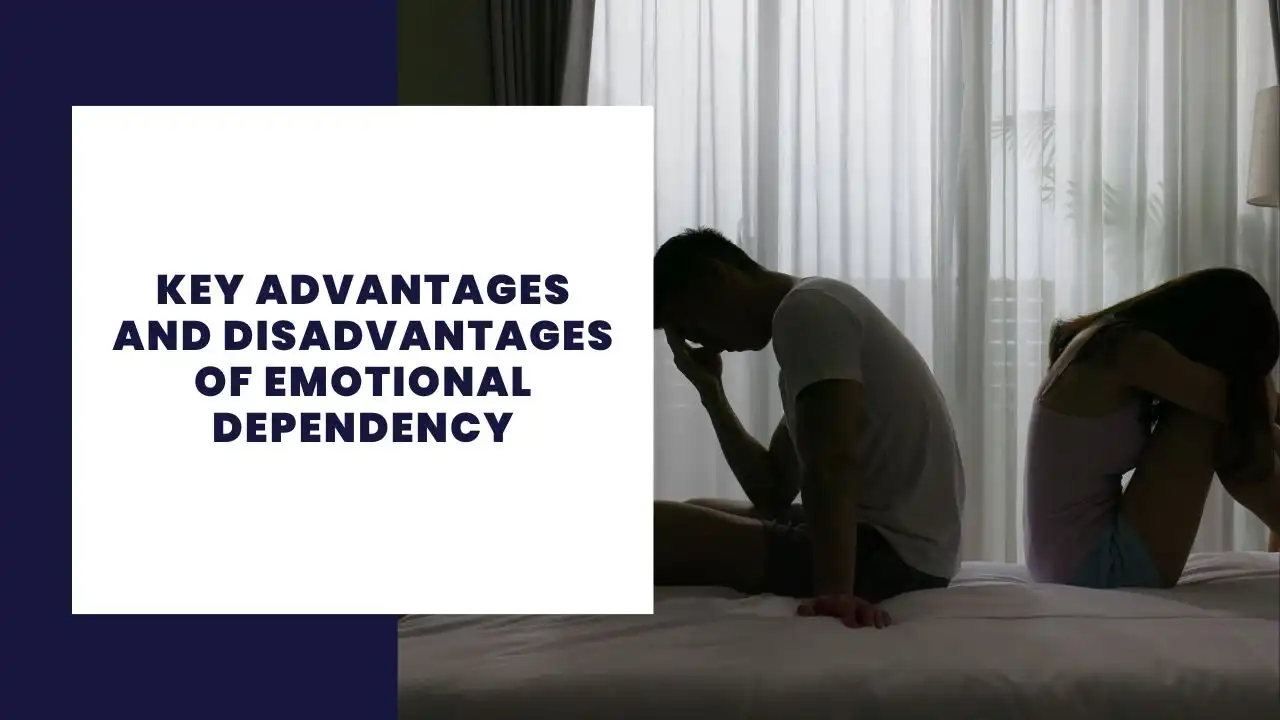
14 Key Advantages And Disadvantages Of Emotional Dependency
Emotional dependency is a complex psychological pattern that shapes the way people express closeness, seek affection, and navigate their relationship needs. For some, it can feel fulfilling and comforting, while for others it may lead to anxiety, insecurity, and imbalance in daily life. The tendency to rely on others for validation, reassurance, or a sense of self can influence attachment styles and overall mental health. Understanding this dynamic is essential for anyone trying to manage your emotions, strengthen autonomy, or foster healthier intimacy.
Written by
- Redaction Team
- Mind, Personal Development
Table of Contents
What is Emotional Dependency
Emotional dependency, also known as emotional dependence, refers to a state in which an individual becomes emotionally reliant on another person to meet their emotional needs. An emotionally dependent person may rely on others for validation, affection, or reassurance, often fearing abandonment or believing they cannot live without a specific partner or relationship. This behavior can manifest in adulthood due to unmet emotional support in earlier life, insecure attachment, or dysfunctional dynamics.
Emotional dependency often affects how a person interprets emotion, behaves in a couple, or responds to triggers that activate insecurity or fear of abandonment. In severe cases, these behaviors can lead to distress, jealousy, and possessive actions, especially when relying on your partner becomes excessive or unhealthy. While it is normal to seek support from others, emotional dependency becomes problematic when it interferes with autonomy, self-esteem, and well-being.
Advantages of Emotional Dependency
1. Increased Intimacy and Closeness
Emotional dependency can deepen intimacy between partners. When someone openly expresses their needs, emotions, and fears, closeness can naturally grow. Spending time together and sharing vulnerability may foster emotional intelligence within the couple, creating a stronger bond.
2. Stronger Emotional Support
A person who is emotionally dependent often seeks emotional support, which can encourage open communication. This behavior may lead to feeling connected and supported, especially during moments of distress or loneliness. A partner who understands this tendency can help validate emotions and strengthen feelings of safety.
3. Heightened Compassion and Empathy
Being sensitive to emotion may reinforce compassion toward others. An emotionally dependent person often learns to read emotional cues, making them more attentive and responsive. This can help support others who need empathy or reassurance.
4. Motivates Personal Growth
Recognizing reliance on a partner may inspire personal change. Through therapy, mindfulness, meditation, or cognitive strategies, individuals may develop healthier attachment styles and learn to manage their emotions more effectively. Emotional dependency can become a starting point for therapeutic transformation.
5. Sense of Belonging
Some people feel more connected and secure when they rely on others. This sense of belonging can be fulfilling and comforting, especially when secure attachment develops. The presence of emotional reliance can reduce insecurity and provide motivation to maintain supportive relationships.
6. Encourages Communication
Emotionally dependent individuals often communicate more directly about emotional needs. This openness may lead to better understanding within relationships, as both partners express desires, fears, or discomfort more consistently. Such communication may foster healthier dynamics.
7. Stability During Crisis
In moments of despair or emotional turmoil, dependency on others may offer stability. Knowing someone will never leave provides reassurance during challenging times. This reliance can help individuals cope with overwhelming emotions or navigate difficult life experiences.
Disadvantages of Emotional Dependency
8. Loss of Autonomy
One significant disadvantage is diminished autonomy. People who rely heavily on others may struggle to make decisions without approval, weakening their sense of self. This imbalance may lead to feeling trapped or overly reliant.
9. Anxiety and Fear of Abandonment
Emotional dependency often includes anxious thoughts and constant worry about losing a partner. Fear of abandonment may lead to obsessive checking, distress, or possessive behavior. These behaviors can lead to unhealthy cycles that strain the relationship.
10. Unhealthy Relationship Dynamics
Dependency on others may lead to dysfunctional patterns. An insecure or reliant person may tolerate unhealthy treatment, manifest self-doubt, or engage in addictive behaviors that reinforce emotional imbalance. This pathology can escalate if left unaddressed.
11. Difficulty Setting Boundaries
Emotionally dependent individuals often struggle with setting boundaries. The need for closeness and reassurance may override personal needs, causing discomfort or resentment. Poor boundaries may lead to unmet emotional needs and reinforce insecurity.
12. Jealousy and Possessiveness
Jealousy may manifest when reliance becomes excessive. Worrying about losing affection or attention may lead to controlling behaviors, checking, or possessive actions. Such behaviors can cause emotional strain and intensify anxiety.
13. Negative Impact on Mental Health
Prolonged emotional dependence may lead to declining mental health. Constant worry, fear of rejection, or reliance on external validation can trigger despair and emotional instability. Without support from a health professional or therapeutic intervention, symptoms may worsen.
14. Challenges in New Relationships
Emotional dependency may lead to difficulties when starting a new relationship. Insecure attachment or unresolved emotional patterns can bring past fears into new partnerships. This may cause imbalance, discomfort, or reluctance to trust, making it harder to build secure connections.
Comparison Table of the Pros and Cons of Emotional Dependency
| Pros | Cons |
|---|---|
| Deepened intimacy and closeness | Loss of autonomy |
| Strong emotional support | Anxiety and fear of abandonment |
| Enhanced compassion | Unhealthy or dysfunctional dynamics |
| Encourages personal growth | Difficulty setting boundaries |
| Sense of belonging | Jealousy and possessiveness |
| Better communication | Negative mental health effects |
| Stability during crisis | Challenges in new relationships |
The Future of Emotional Dependency
The future of emotional dependency lies in increased awareness of emotional intelligence, attachment theory, and mental health care. As more people seek therapy, learn mindfulness techniques, and understand their emotional needs, emotional dependency may be approached more compassionately and therapeutically.
Technology may play a role as well. Digital tools for communication, meditation, and self-regulation could help individuals manage emotions, reinforce autonomy, and navigate daily life with greater resilience. The emphasis will likely move toward balancing intimacy with independence, supporting others without becoming over-reliant, and strengthening secure attachment across adulthood.
FAQs About Emotional Dependency
Emotional dependency can be healthy when balanced with autonomy. Sharing emotions, seeking support, and spending time with a partner can strengthen intimacy, as long as boundaries and independence remain intact.
Signs include constant reassurance seeking, anxiety when apart from your partner, difficulty being alone, fear of abandonment, and self-doubt. These behaviors may indicate reliance that needs attention.
Yes. Therapy offers cognitive and therapeutic tools to help manage your emotions, build self-esteem, develop secure attachment, and reduce reliance on external validation.
Triggers can include insecurity, unresolved childhood experiences, unmet emotional needs, or discomfort with autonomy. These may manifest through attention-seeking or possessive behaviors.
With self-awareness, mindfulness, meditation, therapy, and support from others, individuals can develop stronger autonomy and healthier relationship patterns.
Conclusion of Advantages and Disadvantages of Emotional Dependency
Emotional dependency is neither entirely beneficial nor entirely harmful. It can create fulfilling moments of closeness, compassion, and connection, but it may also lead to insecurity, distress, and imbalance when taken to extremes. Understanding both sides of emotional dependence helps individuals reinforce their strengths, set boundaries, and foster healthier, more secure relationships. By acknowledging emotional needs and learning to rely on oneself as well as others, it becomes possible to build a more stable, resilient sense of self.
More about Mind