14 Key Advantages and Disadvantages of Arranged Marriage
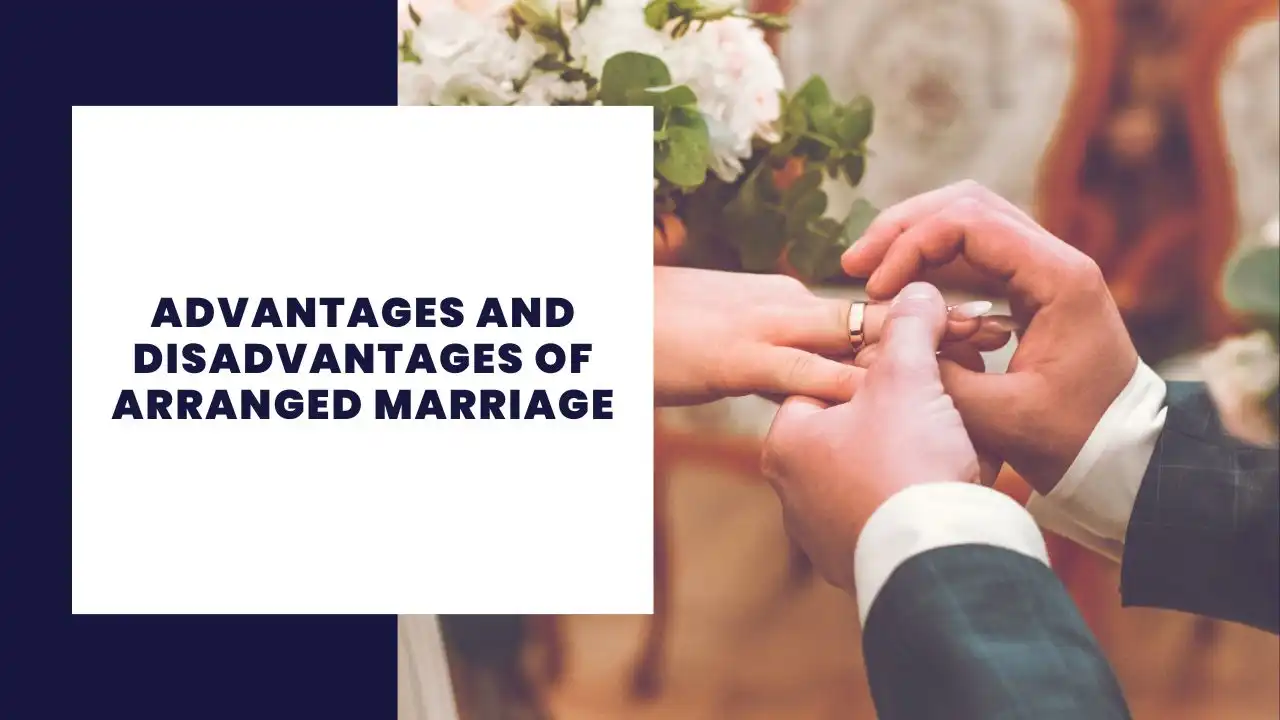
Arranged marriage remains a longstanding tradition in many cultures around the world. Although love marriages are increasingly common, the practice of having a marriage arranged by family members continues to thrive in places where culture, religion, and tradition play a central role in mate selection. For young people, the idea can feel complex, especially when balancing personal desire, autonomy, lifestyle expectations, and societal pressure. Understanding the advantages and disadvantages of arranged marriage helps clarify how this relationship process works, why it stays relevant, and what couples may experience as they begin their life together.
Written by
- Redaction Team
- Mind, Personal Development
Table of Contents
What is Arranged Marriage
An arranged marriage is a process in which a parent, guardian, or extended family takes an active role in helping an individual choose a life partner. In many cases, the marriage is arranged only after careful consideration of factors such as family background, caste, religion, income, compatibility, and cultural values. While some assume marriage is arranged without the consent of the individuals involved, modern arranged marriages typically include the freedom to accept or decline a proposed spouse.
This practice is common in regions where family support, tradition, and long-term stability carry strong importance, including marriage in India and other societies that value cultural continuity. The process differs from love marriages, where attraction and romantic love are the primary drivers of choosing a partner. Both systems have pros and cons, and the difference in approach often shapes the relationship dynamic, goals, and expectations for the future.
Advantages of Arranged Marriage
1. Strong Family Support
One major advantage of arranged marriage is the built-in family support system. Since family members take part in selecting a compatible partner, couples may feel more secure and less likely to struggle alone through relationship challenges. This support can help young couples make the marriage work more effectively.
2. Reliable Background Information
When a marriage is arranged, families often investigate a potential spouse’s education, income, family background, cultural values, and lifestyle. Understanding these details provides a reliable foundation for the relationship and reduces the risks associated with uncertainty.
3. Cultural and Religious Compatibility
Arranged marriages typically match two individuals with similar culture, religion, and tradition. This compatibility can provide a stable basis for communication, expectations, and shared goals.
4. Lower Expectations of Romantic Love at the Start
Contrary to the idealized version of attraction found in love marriages, arranged marriage does not rely on immediate romantic love or intense feeling. Instead, the relationship grows gradually, prioritizing long-term stability over initial passion.
5. Less Societal Pressure to Date
Many young people do not feel comfortable navigating the dating process. An arranged system eliminates the pressure to date widely or select a partner on their own, making mate selection more manageable.
6. Guidance From Experienced Family Members
Parents and elders who have experienced marriage can offer helpful guidance. Their involvement reduces the likelihood of overlooking important considerations during partner selection.
7. Shared Long-Term Goals
In arranged marriage, both families ensure that the individuals involved have aligned goals, values, and expectations. This alignment helps couples withstand challenges and potentially reduces the chance of divorce.
Disadvantages of Arranged Marriage
1. Limited Personal Choice
A significant disadvantage of arranged marriage is the reduced autonomy in choosing one’s partner. Individuals who desire to choose based on attraction or feeling may struggle with this limitation.
2. Potential Lack of Romantic Love
Since the relationship begins without romantic love, couples may initially feel disconnected. Some may worry that the attraction or emotional bond will never develop, creating unhappiness early in the marriage.
3. Cultural and Familial Pressure
Family pressure can play a strong role in the arranged process. Young people may feel trapped into accepting a proposal to satisfy parents or uphold tradition.
4. Risk of Mismatch Despite Careful Selection
Even when families investigate thoroughly, compatibility between two individuals is not guaranteed. Couples may discover major lifestyle or personality differences that make the relationship difficult.
5. Possibility of Feeling Obligated to Stay
Because family members are heavily invested, couples may feel obligated to stay in the marriage even when they experience unhappiness. This can negatively affect the individuals involved if the match is not suitable.
6. Limited Opportunity for Personal Interaction Before Marriage
Some traditions allow very little time for the pair to interact before marriage. Without adequate time to understand the potential spouse, couples may feel uncertain, increasing the cons of arranged marriage.
7. Societal Expectations Can Override Personal Desire
Societal expectations, cultural norms, and obligations to extended family can overshadow the individual’s own desire, leading to long-term dissatisfaction or feeling emotionally disconnected.
Comparison Table of the Previous Advantages and Disadvantages
| Advantages | Disadvantages |
|---|---|
| Strong family support | Limited personal choice |
| Reliable information about the partner | Potential lack of romantic love |
| Cultural and religious match | Family and societal pressure |
| Stable long-term expectations | Risk of mismatch |
| Less pressure to date | Feeling obligated to stay |
| Guidance from experienced parents | Limited interaction before marriage |
| Aligned goals and values | Personal desires overridden by expectations |
The Future of Arranged Marriage
The future of arranged marriage is evolving. While the tradition remains strong in many cultures, the process is becoming more flexible. Young people increasingly express their autonomy and choose to meet potential partners through modern platforms, yet still rely on family participation for guidance. In some societies, arranged marriage now blends elements of choice and romance, merging the stability of tradition with the freedom of personal preference.
Marriage in India, for example, is shifting from strictly arranged to semi-arranged or self-arranged formats, where the individuals involved have more say. As global exposure grows, so does the desire for a partner who feels both compatible and emotionally connected. This evolution may allow arranged systems to remain relevant while adapting to changes in societal values.
FAQs About Arranged Marriage
Some studies suggest they may be less likely to end in divorce due to strong family support and aligned expectations, though this varies depending on culture and the individuals involved.
Many couples report that romantic love grows over time as they get to know each other, though the experience varies.
No. In arranged marriage, individuals retain the choice to accept or reject a potential spouse. Forced marriage removes this choice.
Yes. The practice remains common in many cultures, particularly where tradition, caste, religion, and family background hold strong importance.
It can be helpful for those who value guidance, cultural stability, or family involvement, though others may prefer more autonomy and freedom.
Conclusion of Advantages and Disadvantages of Arranged Marriage
Understanding the advantages and disadvantages of arranged marriage reveals how complex and nuanced this practice is. While the system offers stability, cultural alignment, and reliable family support, it also poses challenges related to autonomy, personal desire, and emotional connection. The pros and cons of arranged structures vary widely depending on family values, individual expectations, and societal norms. As cultures shift and young people gain greater freedom, the tradition continues to evolve, balancing choice with guidance in the pursuit of a compatible and lasting relationship.
More about Mind