
14 Key Advantages and Disadvantages of Birth Control
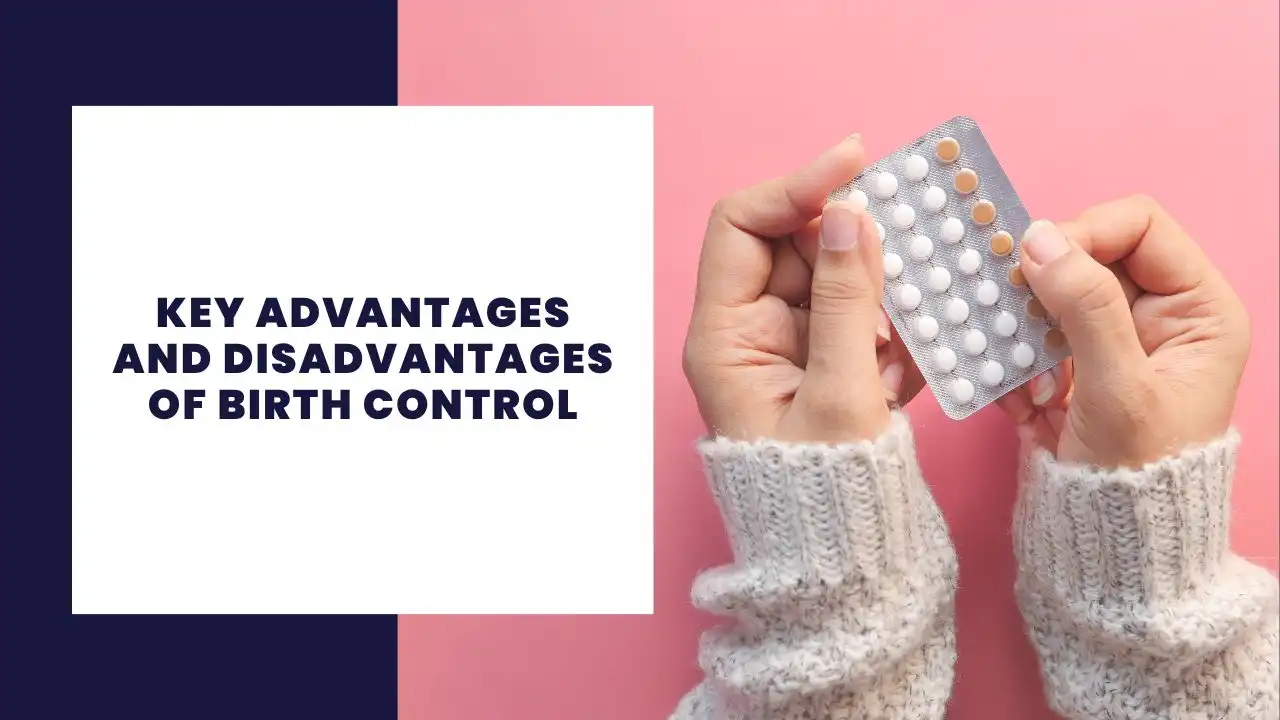
Birth control has evolved into one of the most important components of women’s health and reproductive autonomy. With many types of birth control available over the counter or by prescription, individuals can choose methods that match their lifestyles, health needs, and family-planning goals. Understanding the pros and cons of contraceptive options helps people make informed decisions about how to prevent pregnancy, regulate the menstrual cycle, or manage health conditions with greater confidence. Birth control methods range from hormonal options such as the birth control pill, progestin-only pill, skin patch, implant, and vaginal ring, to non-hormonal methods like condoms and the copper IUD. Each method comes with advantages, disadvantages, and unique health considerations.
Written by
- Redaction Team
- Body, Personal Development
Table of Contents
What is Birth Control
Birth control refers to a wide range of contraceptive methods designed to prevent pregnancy. These methods work in different ways, such as blocking sperm from reaching the egg, releasing hormones to prevent ovulation, thickening cervical mucus, or stopping fertilized eggs from implanting in the uterus. Birth control may involve hormonal methods like the combination birth control pill, progestin-only pill, hormonal IUD, implant, skin patch, or vaginal ring. Non-hormonal methods include the copper intrauterine device, condoms, and other barrier methods.
The term “form of birth control” covers options used daily, weekly, monthly, or long term. Some methods, such as the morning-after pill or other emergency contraception, can be used days after unprotected sex to reduce the chance of pregnancy. Birth control pills may also be recommended by a health care provider to help manage menstrual symptoms, acne, or hormonal imbalances. Because preventing pregnancy and understanding risks before using the patch, pill, IUD, or implant is essential, individuals should consult a doctor about their risks, especially if they have a history of blood clots or certain health problems.
Advantages of Birth Control
1. Highly Effective at Preventing Pregnancy
When used correctly and consistently, methods like the birth control pill, implant, and IUD are highly effective at preventing pregnancy. A hormonal IUD or implant can keep you from getting pregnant for years, while combination pills and progestin-only pills can prevent pregnancy by blocking ovulation and thickening cervical mucus.
2. Ability to Regulate the Menstrual Cycle
Hormones in birth control pills can help regulate the menstrual cycle. Many women use birth control pills to reduce heavy bleeding, shorten their periods, or ease menstrual cramps. This regulation can make monthly cycles more predictable and manageable.
3. Reduced Risk of Certain Cancers
Some hormonal methods, including combined oral contraceptives, may lower the risk of ovarian and endometrial cancers. Studies show that long-term use of combination pills may provide protective health benefits beyond preventing pregnancy.
4. Can Treat Hormonal Conditions
Hormonal birth control may help treat conditions such as polycystic ovary syndrome (PCOS), acne, and endometriosis. By regulating hormones, combination pills and progestin-only methods can reduce symptoms like painful periods and hormonal outbreaks.
5. Convenient and Flexible Options
Birth control pills are available in many types of pills, including 21-day packs with days of active pills and inactive pills. Other methods over time, like the skin patch, vaginal ring, and long-acting reversible methods, provide flexible options that do not require daily attention.
6. Accessible and Often Affordable
Some types of birth control are available over the counter, including certain emergency contraception products. Condoms and other barrier methods offer affordable access to protection, while many hormonal methods are covered by insurance or health programs.
7. Rapid Return to Fertility After Stopping
Most reversible methods allow individuals to become pregnant soon after stopping the pill, removing the patch, or discontinuing the vaginal ring. Fertility generally returns quickly once hormones leave the system.
Disadvantages of Birth Control
1. Does Not Protect Against Sexually Transmitted Infections
While birth control methods like the pill, implant, and IUD prevent pregnancy, they do not protect against sexually transmitted infections. Condoms remain the only contraceptive method that helps protect against sexually transmitted infections during intercourse.
2. Possible Side Effects
Hormonal birth control can cause side effects such as nausea, mood changes, spotting, or headaches. Some individuals may react differently depending on hormone levels, making it necessary to switch to a different brand or adjust dosage.
3. Increased Risk of Blood Clots
Combination birth control pills that contain estrogen may increase the risk of blood clots in the legs and lungs. People with a history of blood clots, obesity, or certain health conditions must speak with a health professional before using hormonal methods.
4. Must Be Taken or Used Correctly
The pill is 99 percent effective at preventing pregnancy when taken perfectly, but missing a pill or forgetting to take the pill daily can make it less effective. Some methods, like condoms or the vaginal ring, also require proper use for full protection.
5. Potential Increase in Breast Cancer Risk
Some studies suggest that hormonal birth control may slightly increase the risk of breast cancer. The increase in breast cancer risk is small, but people with a family history should ask their health care provider about the safest methods.
6. Not Suitable for Everyone
Women with certain medical conditions, such as a history of migraines with aura, blood clots, or uncontrolled high blood pressure, may be advised not to use hormonal birth control. A doctor will determine which contraceptive method is safest.
7. May Cause Irregular Bleeding
Some forms of hormonal birth control, especially progestin-only methods and implants, can cause irregular bleeding, spotting, or changes in menstrual flow. These changes vary between individuals and may take months to stabilize.
Comparison Table of the Previous Advantages and Disadvantages
| Advantages | Disadvantages |
|---|---|
| Highly effective at preventing pregnancy | Does not protect against STIs |
| Regulates menstrual cycle | Possible side effects |
| Reduces risk of certain cancers | Increased risk of blood clots |
| Treats hormonal conditions | Must be used correctly |
| Flexible and convenient options | Potential breast cancer risk |
| Accessible and affordable | Not suitable for everyone |
| Quick return to fertility | May cause irregular bleeding |
The Future of Birth Control
The future of birth control is expanding with improved technologies, new hormonal options, and more accessible over-the-counter choices. Researchers are exploring non-hormonal contraceptives that prevent pregnancy without affecting hormonal balance. Innovations such as long-lasting reversible devices, advancements in progestin-only formulas, and new emergency contraception methods aim to provide safer and more effective choices.
There is growing interest in male contraceptive research, including hormonal and non-hormonal methods that target sperm production or mobility. As reproductive healthcare continues to evolve, the focus remains on making birth control methods safer, easier to use, and more widely available. Health care providers also emphasize better education around preventing pregnancy, understanding risks, and selecting appropriate contraceptive methods.
FAQs About Birth Control
No. Hormonal birth control does not protect against STIs. A condom or other barrier method must be used for STI prevention.
If you miss a pill, follow the instructions in your pill pack. You may need a backup form of birth control for several days depending on how many pills were missed.
Not always. Certain people should avoid hormonal methods due to increased risks of blood clots or other medical conditions. Speak with a health care provider to determine what is safe.
Most reversible contraceptive methods allow fertility to return quickly once stopped, although timing varies from person to person.
Yes. These include condoms, the copper IUD, withdrawal, fertility-awareness methods, and some types of emergency contraception.
Conclusion of Advantages and Disadvantages of Birth Control
Birth control offers many advantages, including reliable pregnancy prevention, menstrual regulation, and the treatment of hormonal conditions. It enables individuals to plan their futures, manage health conditions, and choose the contraceptive method that fits their needs. However, there are disadvantages such as possible side effects, increased risk of blood clots, and the need for correct and consistent use. By understanding the advantages and disadvantages of birth control, individuals can make informed decisions that support their health, lifestyle, and reproductive goals.
More about Body