
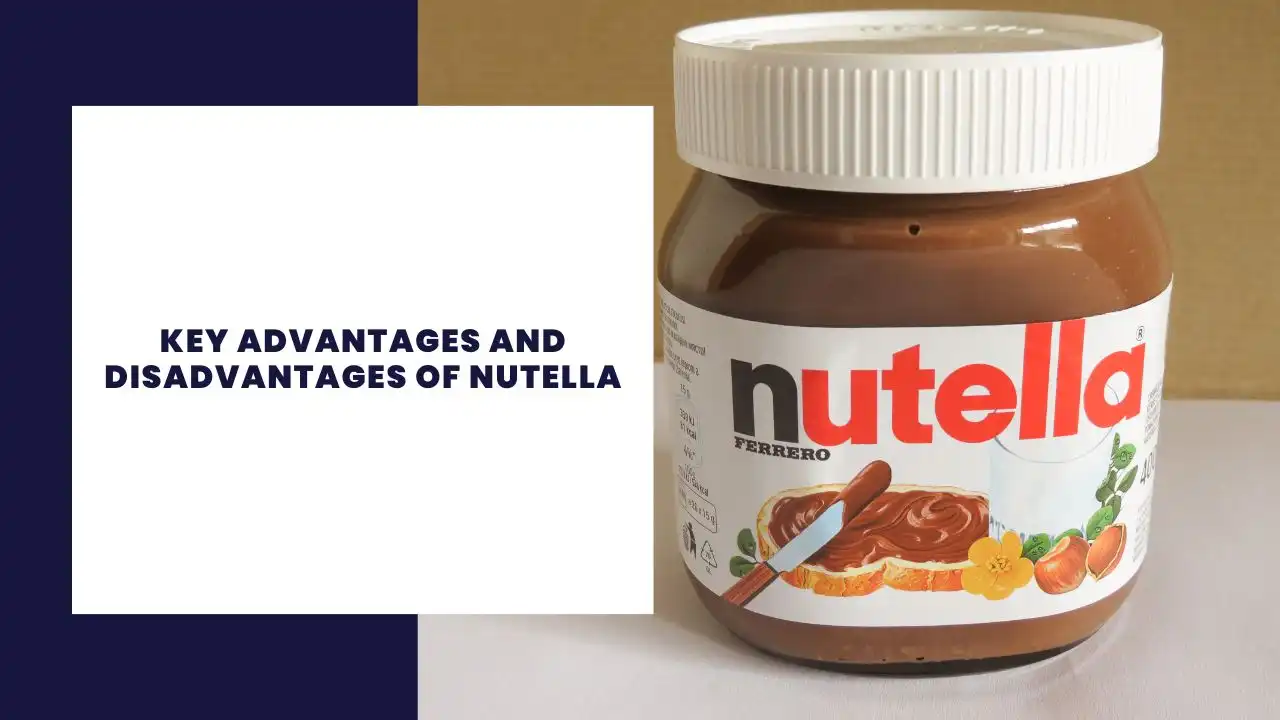
14 Key Advantages And Disadvantages Of Nutella
Nutella has become one of the most popular spreads in the world. Known for its rich hazelnut and cocoa flavor, this sweetened hazelnut cocoa spread is often enjoyed at breakfast, as a dessert topping, or even straight from the jar. Manufactured by Ferrero, Nutella has a loyal global following and is marketed as both indulgent and versatile.
While Nutella tastes good and offers some enjoyment as part of a healthy diet in moderation, it also comes with drawbacks. Many consumers debate whether Nutella is a healthy breakfast option or simply a chocolatey spread with too much sugar and fat. Understanding both sides can help you decide how Nutella fits into your lifestyle.
Written by
- Redaction Team
- Business Planning, Entrepreneurship
Table of Contents
What Is Nutella?
Nutella is a sweetened hazelnut cocoa spread that was first created by Ferrero in Italy. Its main ingredients include sugar, palm oil, hazelnuts, cocoa solids, skim milk powder, soy lecithin, and vanillin. These ingredients of Nutella combine to give it its smooth texture and signature chocolate-hazelnut flavor.
A standard serving size of two tablespoons of Nutella contains around 200 calories, a relatively high amount of sugar, and some saturated fat. Although Nutella also contains hazelnuts, which provide healthy fats, the sugar and fat content of Nutella raise questions about whether it can be considered nutritious or part of a healthy diet.
Nutella is marketed globally as a breakfast spread and has been advertised as a healthy breakfast option, but health organizations like the American Heart Association often caution about consuming too much sugar and fat. As with peanut butter, almond butter, or any other nut butter substitute, moderation is key.
Advantages of Nutella
1. Delicious Taste
The biggest advantage of Nutella is its unique, rich flavor. The combination of hazelnut and cocoa creates a chocolate spread that many people enjoy in healthy recipes or as a dessert spread.
2. Versatile Use
Nutella can be used as a topping on bread, pancakes, waffles, or fruit. It is also a popular ingredient in Nutella chocolate spread desserts and other products made with hazelnut and cocoa.
3. Source of Hazelnuts
Nutella contains hazelnuts, which are naturally high in healthy fats, vitamins, and minerals. This makes Nutella slightly healthier compared to some chocolate spreads that don’t include nut ingredients.
4. Provides Quick Energy
One serving of Nutella contains sugar and fat, which provide a quick energy boost. This is why many people eat Nutella in the morning as part of breakfast or as a snack during the day.
5. Contains Milk Powder and Skim Milk
The inclusion of skim milk powder gives Nutella a creamier texture and adds a small amount of protein and calcium to its nutritional profile.
6. Smooth and Spreadable
Unlike some nut butters, Nutella is easy to spread, making it convenient for breakfast spreads, snacks, or baking. Its texture is one reason why consumers continue to choose Nutella.
7. Certified Sustainable Palm Oil
Nutella uses certified sustainable palm oil. While palm oil in food has been controversial, Ferrero has made commitments to sourcing palm oil responsibly.
Disadvantages of Nutella
1. High in Sugar
One serving of Nutella contains a high amount of added sugar. The American Heart Association recommends limiting added sugar, yet Nutella contains more sugar per serving than many consumers realize.
2. High in Calories
Two tablespoons of Nutella contain about 200 calories. For those tracking calories or aiming for a healthy diet, this can add up quickly and may not fit into a healthy breakfast option.
3. Saturated Fat Content
Nutella contains palm oil and cocoa, which contribute to its saturated fat levels. Consuming Nutella regularly can increase fat intake beyond recommended limits.
4. Misleading Marketing
Nutella is advertised as a nutritious and healthy breakfast spread, but in reality, it is high in sugar and fat. Consumers who do not read the nutritional label carefully may perceive that Nutella is relatively healthy, which can be misleading.
5. Can Lead to Weight Gain
Due to its sugar and fat content, consuming Nutella in excess can lead to weight gain. A single serving of Nutella contains enough sugar to make it more of a dessert spread than a health food.
6. Lacks Fiber and Protein
Compared to peanut butter or almond butter, Nutella is relatively low in fiber and protein, which makes it less filling as a healthy snack or breakfast option.
7. Limited Nutritional Benefits
Although Nutella contains hazelnuts, skim milk, and cocoa, the overall nutritional benefits are overshadowed by the amount of sugar and fat. It cannot be considered a true health food.
Comparison Table of the Pros and Cons of Nutella
| Pros | Cons |
|---|---|
| Rich hazelnut and cocoa taste | High in sugar |
| Versatile as a spread and topping | High in calories (200 per serving) |
| Contains hazelnuts with healthy fats | Contains saturated fat from palm oil |
| Quick source of energy | Misleading marketing as healthy |
| Includes skim milk powder | Can lead to weight gain |
| Smooth and easy to spread | Low in fiber and protein |
| Uses certified sustainable palm oil | Limited overall health benefits |
SWOT Analysis of Nutella
Strengths
Globally recognized chocolate hazelnut spread.
Distinct flavor and smooth texture.
Wide variety of uses in cooking and baking.
Ferrero’s strong brand reputation.
Weaknesses
High amount of sugar and fat.
Lacks significant nutritional value.
Marketed as healthier than it actually is.
Relatively high in calories per serving size.
Opportunities
Development of healthier alternatives with less sugar.
Expansion into health-conscious product marketing.
Use in new products made with Nutella.
Growing interest in spreads beyond peanut butter.
Threats
Rising consumer awareness of sugar-related health risks.
Competition from almond butter, peanut butter, and other nut butter substitutes.
Criticism of palm oil use despite sustainability claims.
Potential decline in consumer trust due to misleading advertisements.
FAQs About Nutella
Nutella is relatively high in sugar and fat, so while it contains hazelnuts and skim milk, it cannot be considered a healthy food.
One serving of Nutella (two tablespoons) contains around 200 calories, which can add up quickly if consumed daily.
Nutella can be part of a healthy breakfast in moderation, but it should be paired with nutritious foods such as whole grains, fruits, or protein.
Yes, Nutella contains palm oil, but Ferrero uses certified sustainable palm oil to address environmental concerns.
Healthier alternatives include almond butter, peanut butter, or cocoa spreads with less sugar and fat.
Conclusion of Advantages and Disadvantages of Nutella
Nutella is one of the most popular chocolate hazelnut spreads worldwide. It offers undeniable taste, versatility, and the enjoyment of hazelnuts combined with cocoa. Many people use Nutella as a breakfast spread, dessert ingredient, or snack because it is smooth, delicious, and convenient.
However, Nutella also has significant drawbacks. A serving of Nutella contains a high amount of sugar and fat, and it is relatively low in protein and fiber compared to other nut butters. Misleading marketing can make some consumers believe Nutella is a healthy breakfast option, when in fact it should be consumed more like a treat.
For those who enjoy Nutella, the key is moderation. While Nutella can make a healthy breakfast feel indulgent or serve as a sweet topping, it should not replace truly nutritious foods in a balanced diet. Ultimately, the pros and cons of Nutella highlight its role as a delicious but high-calorie chocolatey spread that should be enjoyed responsibly.
More about Business Planning