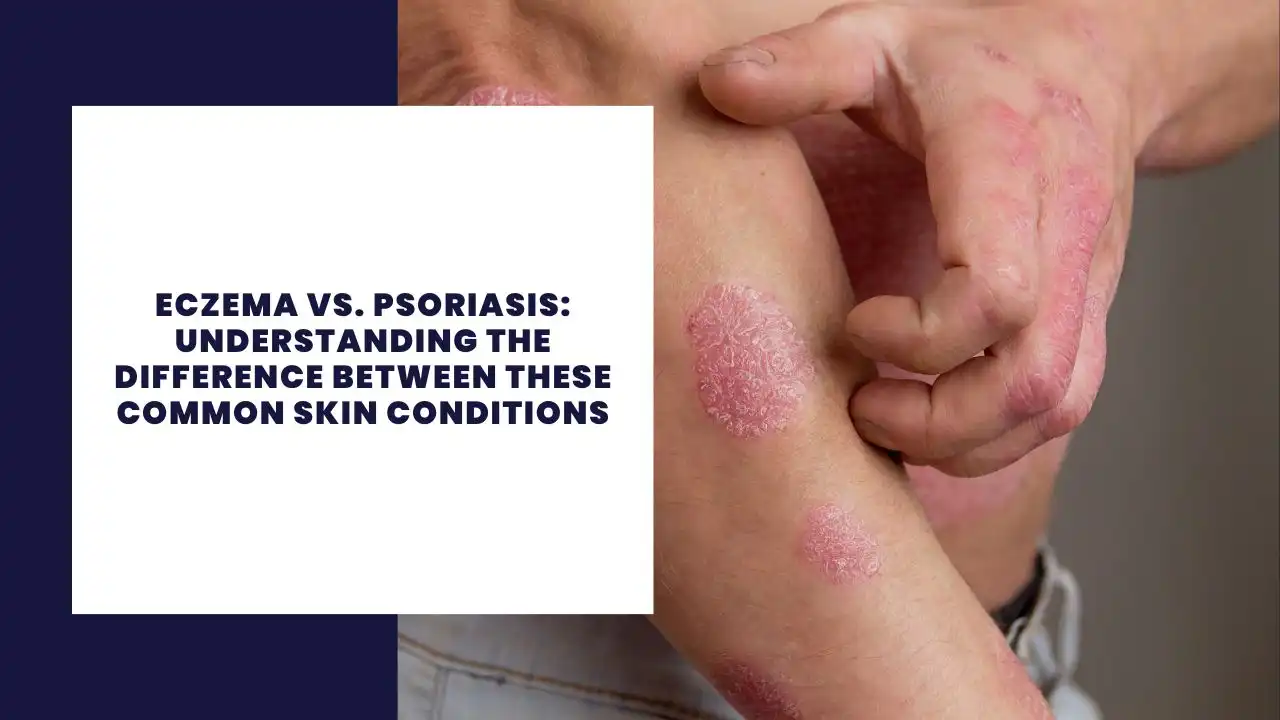
Eczema vs. Psoriasis: Understanding the Difference Between These Common Skin Conditions
Eczema and psoriasis are two of the most common chronic skin conditions, often mistaken for one another due to their similar symptoms. Both can lead to itchy, inflamed, and irritated skin, yet they differ in their causes, appearance, and treatment options. Knowing how to distinguish between eczema and psoriasis is crucial for choosing the right treatment plan and managing symptoms effectively.
Written by
- Redaction Team
- Body, Personal Development
Table of Contents
What Is Eczema?
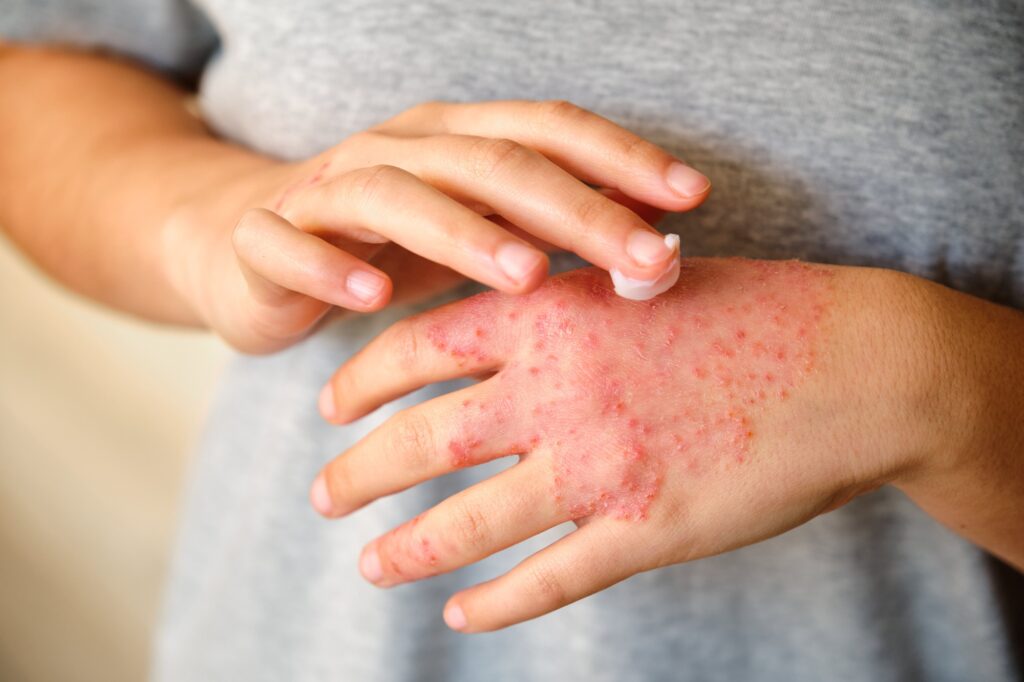
Eczema, medically referred to as atopic dermatitis, is a skin condition characterized by dry skin, inflammation, and an intense itching sensation. It typically begins in childhood but can affect individuals of all ages.
Causes of Eczema
Eczema is believed to result from a combination of genetic, environmental, and immune factors. Common triggers include:
- Allergens: Dust mites, pollen, or pet dander.
- Irritants: Soaps, detergents, and certain fabrics.
- Weather: Cold, dry air or excessive humidity.
- Stress: Emotional stress can exacerbate flare-ups.
Types of Eczema
- Atopic Dermatitis: The most common form, often associated with allergies.
- Contact Dermatitis: Triggered by direct contact with an irritant or allergen.
- Nummular Eczema: Characterized by circular, coin-shaped patches of dry, itchy skin.
- Dyshidrotic Eczema: Small, fluid-filled blisters, usually on hands or feet.
Symptoms of Eczema
- Itchy skin, especially at night.
- Red or brownish patches, commonly on the hands, feet, elbows, and behind the knees.
- Thickened, cracked, or scaly skin during flare-ups.
What Is Psoriasis?

Psoriasis is a chronic autoimmune condition where the skin cells grow at an accelerated rate, leading to the buildup of thick, scaly patches. Unlike eczema, psoriasis may be linked to genetic and immune system dysfunction.
Psoriasis Causes
Psoriasis is an immune-mediated disease where the body mistakenly accelerates the production of skin cells. Common triggers include:
- Infections like strep throat.
- Cold or dry weather.
- Skin injuries (cuts, scrapes, or sunburn).
- Stress or heavy alcohol consumption.
Types of Psoriasis
- Plaque Psoriasis: The most common type, marked by raised, inflamed, and scaly patches.
- Guttate Psoriasis: Small, drop-shaped lesions often triggered by infections.
- Inverse Psoriasis: Found in skin folds, such as under the breasts or around the groin.
- Pustular Psoriasis: White pustules surrounded by red skin.
- Erythrodermic Psoriasis: A rare, severe form causing widespread redness and shedding.
Symptoms of Psoriasis
- Raised, inflamed plaques covered with silvery scales.
- Itching or burning sensations.
- Commonly affects the scalp, knees, and elbows.
Difference Between Eczema and Psoriasis
| Feature | Eczema | Psoriasis |
|---|---|---|
| Appearance | Red, inflamed, and sometimes oozing | Thick, silvery scales on red plaques |
| Itching | Intense, especially at night | Itching or burning, less severe |
| Affected Areas | Folds of skin (elbows, knees, etc.) | Scalp, elbows, and knees primarily |
| Triggers | Allergens, irritants, stress | Infections, injuries, and weather |
| Skin Cell Growth | Normal speed | Accelerated |
Similar Symptoms of Eczema and Psoriasis
Despite their differences, these conditions share overlapping symptoms:
- Itchy skin that can become inflamed.
- Red or irritated patches.
- Thickened skin from repeated scratching or flare-ups.
Holistic Healing Tip for Eczema and Psoriasis
- Dietary Adjustments: Reduce inflammatory foods like processed sugars and fried foods. Incorporate anti-inflammatory options like turmeric, omega-3-rich fish, and green vegetables.
- Elimination diet: Eliminating foods like gluten, soy, corn, certain oils or triggering food may help to reduce reactions.
- Stress Management: Meditation, yoga, and adequate sleep can reduce stress-induced flare-ups.
- Natural Remedies: Aloe vera gel and coconut oil soothe the skin, while chamomile tea compresses help reduce inflammation.
- Celery Juice: Daily or frequent consumption of Celery Juice can help to eliminate body toxins.
Tips For the Mind
- Stress relief activities: Reading, going for a walk, listening music, dancing
- Nature / animal work
- Talking therapy
- Journaling
- Spotting and understanding own subconscious patterns
- Shadow work and integrating the suppressed emotions to be channeled into new form of energy such as creative arts or creative work
- Dedicating time to heal childhood emotional traumas
- Hashimoto and Thyroid Issues are psychological related to being unable to express oneself, and talk onself truth, therefore focusing on expressing such emotions and not suppressing them is important.
- Understand sickness as an invitation to change, evolve, grow and heal, similar to the point of view of the German New Medicine.
Tips For the Body
- Do blood lab tests on different aspects to search for nutritional defficiencies (Vitamin D, Vitamin B, Zinc, Calcium levels etc) or surplus of sugar, LDL, HDL cholesterol etc.
- Address nutritional defficiencies
- Seek out with a food sensitivity test for food allergies such as Gluten, Diary, Eggs, Corn, Sugar.
- Include whole and healing foods (Kiwi, Ginger, Cilantro, Spirulina, Curcumin, Mango, Cucumber, Walnuts, Peacans, Pumpkin Seeds, Chia Seeds, Kefir, Greek Yogurt, Papaya, Banana, Coconut)
- Eliminate or reduce proccessed foods.
- Juicing therapy. (Green Juice, Beet, Carrot, Apple Juice, or find a mix of , Natural fruit or vegetable juices)
- Add supplements according to your needs.
- Check thyroid labs (T3, T4, TSH, T3 inverse), autoimmune anitbodies labs (TPO, TGAB) and hormone labs (Pregnenolone)
- If a doctor is going to give you any sort of medication, start from lower dose and adjust accordingly. (Medication is generally just a "Band-Aid" to a support a body issue, but it is not what it will fully help to heal the body)
- Grounding and time in nature.
- Exercise
- Sleep
Tips For the Spirit
- Practicing gratitude
- Acknowledging that a higher power, God/The Universe/The Greater Consciousness/ The Source, is already guiding us towards healing
- Practice own spiritual prayer. (In my opinion, regardless of religion, they can lead towards connecting with God
- Spiritual prayers for healing ancestral trauma
- Developing an attitude of not self identifying with the mind, and knowing how to merge and balance the spirit, the mind and the body
- Understanding that everything is connected.
- Angels follow you in your healing path and guide you in the form of synchronicities.
- Find out about chakra blockages and work towards it.
Creating a Comprehensive Treatment Plan
Developing a tailored treatment plan is essential for managing both eczema and psoriasis. Key considerations include:
- Consulting with a functional medicine doctor to identify the specific condition.
- Testing for triggers and adjusting your environment.
- Combining treatments and supplements with holistic practices to improve overall well-being.
Conclusion
Eczema and psoriasis, while both chronic skin conditions, have unique characteristics that require specific treatments. Understanding the difference between eczema and psoriasis can empower individuals to make informed decisions about their health. Whether dealing with the itchy flare-ups of eczema or the scaly plaques of psoriasis, a combination of medical therapies and holistic strategies can lead to healthier, more balanced skin.
More about Body