

30 Foods with Healthy Fats: Why You Should Add Them to Your Diet
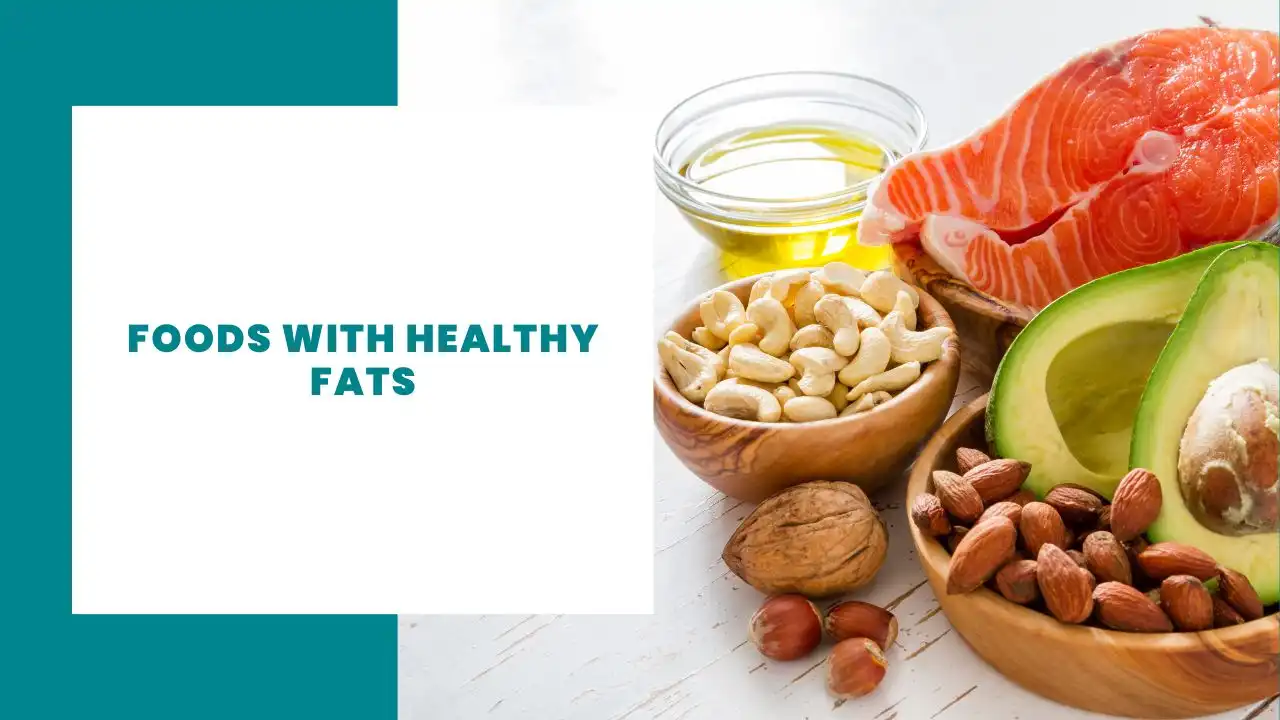
Eating a healthy diet is a goal that many people strive for, and one that often involves cutting back on foods that are high in fat. However, not all fats are created equal, and some fats are actually essential for good health.
In this article, we’ll explore the benefits of adding healthy fats to your diet, and provide you with some great sources of those healthy fats so you can start incorporating them into your meals today.
Written by
- Redaction Team
- Body, Healing Foods, Personal Development
Table of Contents
Foods with Healthy Fats
Nuts and Seeds:
- Almonds
- Walnuts
- Cashews
- Chia Seeds
- Flaxseeds
- Sunflower Seeds
- Pumpkin Seeds
Oils (Cold-Pressed or Unrefined):
- Olive Oil (Extra Virgin)
- Avocado Oil
- Coconut Oil
- Flaxseed Oil
Fruits:
- Avocados
- Olives
Fish (Rich in Omega-3s):
- Salmon
- Mackerel
- Sardines
- Tuna
- Herring
- Trout
Plant-Based Sources:
- Dark Chocolate (70% cocoa or higher)
- Edamame
- Tofu
- Tempeh
Animal-Based Sources:
- Eggs (particularly egg yolks)
- Grass-Fed Butter or Ghee
- Full-Fat Yogurt (unsweetened)
Other:
- Peanut Butter (natural, no added sugar or oils)
- Tahini (sesame seed paste)
- Hemp Seeds
- Seaweed (e.g., nori, wakame, or kelp)
What are Healthy Fats and Why Do We Need Them?
Different Types of Dietary Fat Explained
Before we dive into the health benefits of healthy fats, it’s important to understand the different types of dietary fats. Saturated fats are typically solid at room temperature and are found in animal products like meat, butter, and cheese, as well as in some plant-based sources like coconut oil. Trans fats are a type of unsaturated fat that are often found in processed foods like bakery snacks and fried foods.
On the other hand, healthy or “good” fats can be either monounsaturated or polyunsaturated fats. Monounsaturated fats, like those found in olive oil, avocados, and nuts, can help lower bad cholesterol levels and reduce the risk of heart disease. Polyunsaturated fats, like omega-3 fatty acids, are also essential for heart health and can be found in fatty fish, nuts, and seeds.
Health Benefits of Consuming Healthy Fats
In addition to being essential for heart health, consuming healthy fats can also provide a range of other health benefits. For example, research has shown that omega-3 fatty acids may help reduce inflammation in the body, which can have a positive impact on conditions like type 2 diabetes and arthritis. Healthy fats can also help keep you feeling full and satisfied, making them a great addition to any weight management plan.
Good Fat vs Bad Fat: Why You Should Choose Wisely
While it’s important to consume a variety of healthy fats as part of a balanced diet, it’s also important to limit your intake of unhealthy fats like saturated and trans fats. These types of fats can increase bad cholesterol levels and put you at risk for heart disease. When choosing fats for your meals, opt for those that are rich in healthy fats and low in unhealthy fats.
High-Fat Foods That Are Actually Good for You
Fatty Fish: A Fantastic Source of Omega-3 Fatty Acids
Fatty fish like salmon, mackerel, and trout are some of the best sources of heart-healthy omega-3 fatty acids. These fatty acids can help lower bad cholesterol levels, reduce inflammation, and even improve brain health. Try grilling or roasting your fish for a healthy and delicious meal.
Dark Chocolate: The Tasty Treat with Heart Health Benefits
Believe it or not, dark chocolate is actually good for you! This tasty treat is rich in flavonoids, which can help improve blood flow and reduce the risk of heart disease. However, not all chocolate is created equal – opt for a high-quality dark chocolate with at least 70% cacao for the most health benefits.
Olive Oil: The Versatile and Nutrient-Dense Oil
Olive oil is a staple of the Mediterranean diet and for good reason – it’s packed with heart-healthy monounsaturated fats and antioxidants. Use it as a salad dressing, cooking oil, or even as a dip for your bread.
More Delicious Foods That Are Rich in Healthy Fats
Nuts and Seeds: A Great Snack for a Quick Fat Boost
Nuts and seeds are a great source of healthy fats, along with protein and fiber. Almonds, walnuts, and chia seeds are just a few examples of healthy snack foods that can help keep you full and satisfied between meals.
Avocado: Versatile and Nutrient-Dense Food to Keep You Full and Satisfied
Avocado is a versatile food that can be used in a variety of dishes. It’s packed with healthy fats, fiber, and nutrients like potassium and vitamin C. Mash it up and use it as a spread for your sandwiches or add it to your salads for a healthy fat boost.
Eggs: A Quick and Easy Way to Add Healthy Fats to Your Diet
Eggs are a quick and easy way to add healthy fats to your diet. They’re packed with heart-healthy monounsaturated and polyunsaturated fats, along with protein and other nutrients like vitamin D. Try adding a hard-boiled egg to your lunchtime salad for a nutritious and satisfying meal.
How to Incorporate Healthy Fats Into Your Diet
Tips for Cooking and Baking with Healthy Oils
When it comes to cooking and baking with healthy fats, there are a few key things to keep in mind. First, opt for oils like olive, avocado, and vegetable oil over oils that are high in unhealthy fats like saturated and trans fats. Second, try to avoid overheating your oils, as this can cause them to break down and lose their nutritional value. Finally, experiment with different oils in your recipes to find the ones that work best for you.
How Many Grams of Fat Should You Aim for Each Day?
According to the American Heart Association, a healthy adult should aim to consume between 25 and 35% of their daily calories from fat. This equates to around 56 to 77 grams of fat per day for someone consuming a 2000-calorie diet. However, it’s important to keep in mind that individual requirements may vary based on factors like age, gender, and activity level.
The Risks of Eating Too Many Unhealthy Fats
While incorporating healthy fats into your diet is important, it’s also essential to limit your intake of unhealthy fats like saturated and trans fats. These types of fats can increase bad cholesterol levels and put you at risk for heart disease. To reduce your risk, try to limit your intake of fried foods, baked goods, and other foods that are high in these types of fats.
In conclusion, healthy high-fat foods can be an important part of a balanced and nutritious diet. Whether you’re looking to improve heart health, manage your weight, or just add some variety to your meals, there are plenty of delicious food sources that are rich in healthy fats.
More about Healing Foods


