

11 Health Benefits of Turmeric: A Powerful Spice for Wellness
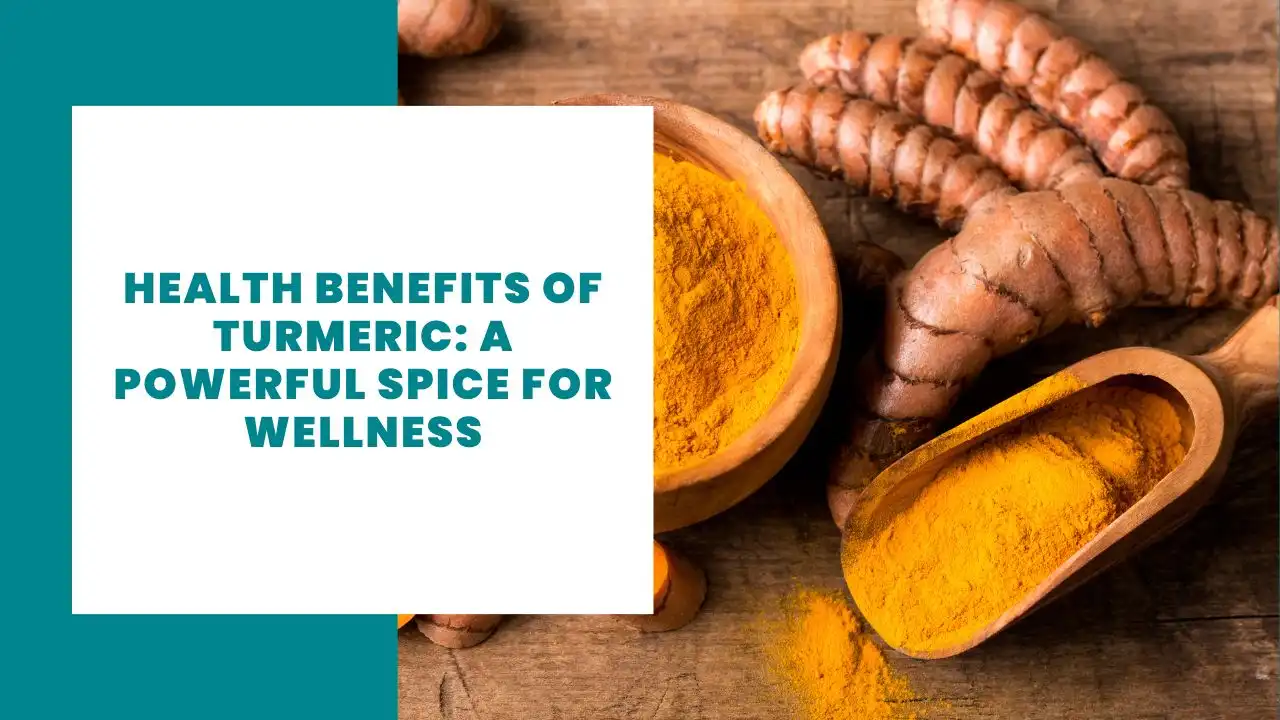
Turmeric, a vibrant yellow spice derived from the root of the Curcuma longa plant, has been used for centuries in traditional medicine, particularly in Asia. Its active ingredient, curcumin, is largely responsible for its impressive health benefits.
Known for its anti-inflammatory and antioxidant properties, turmeric has gained popularity as a dietary supplement in recent years. From reducing chronic inflammation to supporting heart health, the health benefits of turmeric are numerous and diverse. Here are 11 key benefits of turmeric and curcumin that you should know about.
Written by
- Redaction Team
- Body, Healing Foods, Personal Development
Table of Contents
1. Reduces Inflammation
Chronic inflammation is linked to many serious health conditions, including arthritis, heart disease, and cancer. Turmeric contains curcumin, a compound with strong anti-inflammatory properties. By reducing inflammation, turmeric may help alleviate symptoms of chronic conditions such as arthritis.
- Anti-inflammatory effects: Curcumin is known to block inflammatory pathways in the body, reducing swelling and pain associated with conditions like arthritis.
- Supports joint health: Turmeric may help reduce joint pain and stiffness caused by inflammation.
- Reduces chronic inflammation: Regular intake of turmeric can help lower the levels of inflammatory markers in the body.
2. Antioxidant Properties
Curcumin also acts as a powerful antioxidant, neutralizing free radicals in the body that can cause oxidative stress and damage cells. This helps protect your body from the damaging effects of aging, disease, and environmental toxins.
- Prevents oxidative damage: Curcumin neutralizes free radicals and stimulates the body’s antioxidant enzymes.
- Protects cells: Antioxidant properties of turmeric help protect cells from damage that could lead to chronic disease.
- Fights aging: The antioxidant effects of curcumin help slow down the aging process by protecting the skin and internal organs.
3. Supports Heart Health
Heart disease is one of the leading causes of death globally. Curcumin may help protect heart health by improving the health of blood vessels and reducing the risk factors for heart disease.
- Reduces the risk of heart disease: Turmeric may help lower blood pressure, reduce cholesterol levels, and improve circulation.
- Improves heart function: Curcumin has been shown to improve the function of the endothelium, the lining of blood vessels.
- Reduces inflammation in the heart: The anti-inflammatory properties of turmeric may help prevent the build-up of plaque in arteries, lowering the risk of heart attacks and strokes.
4. Enhances Brain Function
Turmeric and its active compound curcumin have been shown to have positive effects on brain health. They may help improve memory, protect against neurodegenerative diseases, and support overall cognitive function.
- Boosts brain-derived neurotrophic factor (BDNF): Curcumin may increase BDNF, a protein that supports the growth of new brain cells.
- Protects against neurodegenerative diseases: Turmeric may help prevent diseases like Alzheimer’s by reducing oxidative stress and inflammation in the brain.
- Improves cognitive function: Studies suggest that turmeric may help improve memory and attention span, especially in older adults.
5. May Help Prevent Cancer
Cancer is one of the most feared diseases, but turmeric may have protective properties that help prevent its development. Curcumin has been studied for its potential role in cancer prevention due to its anti-inflammatory and antioxidant effects.
- Blocks cancer cell growth: Some research suggests that curcumin can interfere with the growth and spread of cancer cells.
- Prevents oxidative damage: Curcumin’s antioxidant properties may help prevent DNA damage that leads to cancer.
- Supports chemotherapy: Curcumin supplements may enhance the efficacy of chemotherapy and protect against its side effects.
6. Improves Digestion
Turmeric has been used in traditional medicine to improve digestion. It helps stimulate bile production, which supports the breakdown and digestion of fats.
- Stimulates bile production: Curcumin helps the liver produce bile, aiding in fat digestion.
- Reduces bloating and gas: Turmeric’s anti-inflammatory properties may help reduce symptoms of indigestion and bloating.
- Supports gut health: Turmeric may help balance gut flora and reduce gut inflammation, which can improve overall digestive health.
7. Enhances Skin Health
Turmeric has been used for centuries in skincare due to its ability to reduce inflammation, fight bacteria, and promote healing. Whether used topically or as a dietary supplement, turmeric can support healthy, glowing skin.
- Reduces acne: The anti-inflammatory and antibacterial properties of turmeric may help reduce acne flare-ups.
- Improves skin complexion: Curcumin may help reduce redness and pigmentation, promoting even skin tone.
- Supports wound healing: Turmeric may accelerate the healing of wounds and cuts, thanks to its anti-inflammatory effects.
8. Alleviates Symptoms of Arthritis
Arthritis is characterized by inflammation in the joints, leading to pain and stiffness. Turmeric may help alleviate these symptoms by reducing inflammation and improving joint function.
- Relieves joint pain: Curcumin has been shown to reduce pain and stiffness associated with arthritis.
- Improves mobility: Regular consumption of turmeric may help improve joint flexibility and mobility.
- Natural pain relief: The anti-inflammatory properties of turmeric make it a natural alternative to pain medications for people with arthritis.
9. Improves Mood and Mental Health
Turmeric may play a role in improving mental health and emotional well-being. Curcumin has been studied for its potential antidepressant effects, as it may help balance mood and reduce symptoms of anxiety.
- Supports mood balance: Curcumin may help regulate levels of serotonin and dopamine, two neurotransmitters that influence mood.
- Reduces symptoms of depression: Some studies have found that curcumin supplementation may help alleviate symptoms of depression and anxiety.
- Improves mental clarity: Turmeric’s effects on brain function may help improve focus, concentration, and mental clarity.
10. Regulates Blood Sugar Levels
Curcumin may help regulate blood sugar levels, making it beneficial for people with type 2 diabetes or those at risk for developing the condition. It may improve insulin sensitivity and reduce the risk of complications related to diabetes.
- Improves insulin sensitivity: Curcumin helps the body respond better to insulin, which can help regulate blood sugar.
- Reduces blood sugar spikes: Turmeric may help prevent blood sugar spikes after meals, improving overall blood sugar control.
- Protects against diabetes complications: The antioxidant properties of turmeric help protect against complications such as nerve damage and vision problems.
11. Supports Liver Health
The liver is a crucial organ for detoxifying the body and processing nutrients. Turmeric may help protect the liver from damage and promote its ability to process toxins.
- Detoxifies the liver: Curcumin has been shown to help remove toxins from the liver and protect it from oxidative stress.
- Prevents liver damage: Turmeric may reduce the risk of liver diseases such as fatty liver disease and cirrhosis.
- Supports liver function: Regular turmeric intake may help improve liver function and support overall health.
Conclusion
Turmeric is much more than just a flavorful spice in your kitchen. With its active ingredient, curcumin, it offers a wide range of health benefits, from reducing inflammation and supporting heart health to improving brain function and alleviating arthritis symptoms. Whether consumed as a dietary supplement, in turmeric tea, or added to your meals, incorporating turmeric into your daily routine can provide numerous benefits. If you’re considering turmeric supplements or curcumin for specific health conditions, consult with a healthcare provider to ensure proper usage and dosage.
More about Healing Foods


