

11 Health Benefits of Zinc: An Essential Mineral for Your Well-being
Zinc is an essential mineral that plays a crucial role in various bodily functions. It is found in many foods and can also be taken as a zinc supplement. Zinc deficiency is relatively rare, but when it occurs, it can lead to several health problems.
Whether you choose to take zinc in the form of zinc lozenges, supplements, or oral zinc, this mineral is vital for maintaining optimal health. Below are 11 health benefits of zinc that highlight its importance in your diet and overall well-being.
Written by
- Redaction Team
- Body, Healing Foods, Personal Development
Table of Contents
1. Supports Immune Function
Zinc is essential for maintaining a healthy immune system. It supports the production and function of immune cells, helping the body fight infections. Zinc supplementation may reduce the duration and severity of common illnesses like the common cold.
- Boosts immune response: Zinc helps in the production of T-cells, which are crucial for the immune response.
- Fights infections: Zinc lozenges are often used for the treatment of a cold, with some studies showing that they can reduce the duration of symptoms.
- Prevents infection: Zinc helps protect against infections by regulating the immune system’s response.
2. Promotes Healthy Skin and Wound Healing
Zinc plays a significant role in skin health, particularly in the healing of wounds. It supports the regeneration of skin cells and promotes collagen synthesis. People with zinc deficiency may experience delayed wound healing and increased susceptibility to skin conditions.
- Heals wounds faster: Zinc helps the body regenerate tissue and close wounds more efficiently.
- Reduces acne: Zinc supplements may help reduce the severity of acne by regulating oil production in the skin.
- Eases skin inflammation: Zinc’s anti-inflammatory properties make it beneficial for conditions like eczema and psoriasis.
3. Aids in Protein Synthesis and Cell Growth
Zinc is necessary for protein synthesis, a vital process for cell growth and division. It plays a crucial role in cell metabolism, helping to produce new cells and repair damaged ones. Zinc is especially important during periods of growth, such as childhood, adolescence, and pregnancy.
- Cellular growth: Zinc helps produce proteins that are vital for cell division and growth.
- Promotes tissue repair: Zinc helps in the repair of damaged tissues, speeding up recovery after injury or surgery.
- Supports development: Zinc is crucial during pregnancy and childhood for proper growth and development.
4. Enhances Cognitive Function
Zinc has a significant impact on brain function and cognitive health. It helps regulate neurotransmitter activity and supports communication between brain cells. Zinc deficiency can result in cognitive impairment, poor memory, and difficulty concentrating.
- Improves memory: Zinc plays a role in memory formation and retention.
- Enhances focus: Adequate zinc intake helps support mental clarity and concentration.
- Protects against neurodegeneration: Zinc may help protect against conditions like Alzheimer’s disease and age-related cognitive decline.
5. Supports Hormonal Balance
Zinc helps regulate hormones and plays a vital role in maintaining balanced hormone levels in the body. It is particularly important for reproductive health, as it influences the production of testosterone and estrogen. Zinc also supports thyroid function and helps regulate insulin levels.
- Regulates hormones: Zinc helps maintain balanced levels of key hormones, including those involved in reproductive health.
- Supports reproductive health: Zinc is essential for fertility and the production of sex hormones.
- Regulates insulin: Zinc may help regulate insulin levels and improve blood sugar control, especially for people with diabetes.
6. Helps with Digestion
Zinc is essential for digestive health. It supports the production of digestive enzymes that break down food and aid in nutrient absorption. Zinc deficiency can lead to digestive issues like poor appetite, diarrhea, and gut inflammation.
- Improves nutrient absorption: Zinc helps the body absorb essential nutrients like vitamins and minerals more efficiently.
- Regulates gut health: Zinc supplementation may reduce symptoms of gut inflammation and promote a healthy gut microbiome.
- Supports digestion: Zinc plays a role in the production of stomach acid, which is needed for proper digestion.
7. Promotes Healthy Vision
Zinc is vital for eye health and plays a role in maintaining healthy vision. It helps protect the retina and supports the function of enzymes that are necessary for vision. Zinc deficiency can lead to vision problems, including night blindness.
- Protects the retina: Zinc is found in high concentrations in the retina, where it plays a role in protecting against age-related macular degeneration (AMD).
- Supports night vision: Zinc helps improve night vision and prevents visual impairment associated with zinc deficiency.
- Prevents cataracts: Adequate zinc levels may reduce the risk of cataracts and other age-related eye diseases.
8. Improves Hair Health
Zinc supports hair health by promoting the growth and repair of hair follicles. It is often used in hair care products to prevent hair loss and promote thicker, healthier hair. Zinc deficiency is associated with hair thinning and loss.
- Prevents hair loss: Zinc is essential for the proper functioning of hair follicles and can help prevent hair loss.
- Promotes hair growth: Zinc helps stimulate hair growth and improve hair texture.
- Reduces scalp inflammation: Zinc can help reduce dandruff and scalp irritation by regulating oil production and reducing inflammation.
9. Enhances Athletic Performance
Zinc plays a key role in maintaining muscle function and energy metabolism. It helps with protein synthesis, which is crucial for muscle recovery and growth. Zinc supplementation may improve athletic performance, particularly in endurance sports.
- Supports muscle recovery: Zinc helps repair muscle tissues and reduce inflammation after exercise.
- Boosts energy: Zinc is involved in the production of ATP, the energy currency of cells, which helps fuel physical activities.
- Improves endurance: Zinc supplementation may enhance athletic performance by improving stamina and reducing fatigue.
10. Supports Heart Health
Zinc helps maintain heart health by regulating blood pressure and cholesterol levels. It is involved in maintaining healthy blood vessels and may reduce the risk of cardiovascular disease. Zinc deficiency is linked to an increased risk of heart problems.
- Regulates blood pressure: Zinc may help lower blood pressure by supporting the dilation of blood vessels.
- Improves cholesterol levels: Zinc supplementation may help balance cholesterol levels, reducing the risk of heart disease.
- Protects the cardiovascular system: Zinc helps protect the heart by maintaining the health of blood vessels and regulating lipid metabolism.
11. Supports Healthy Sleep
Zinc has been shown to improve sleep quality by regulating the production of melatonin, a hormone that controls sleep-wake cycles. Zinc supplementation may help individuals who have trouble sleeping or experience sleep disturbances.
- Regulates sleep-wake cycles: Zinc plays a role in the production of melatonin, which helps regulate sleep patterns.
- Improves sleep quality: Zinc may improve the depth and quality of sleep, helping individuals get enough rest.
- Reduces insomnia: Zinc supplementation has been shown to help reduce the symptoms of insomnia and improve overall sleep quality.
Conclusion
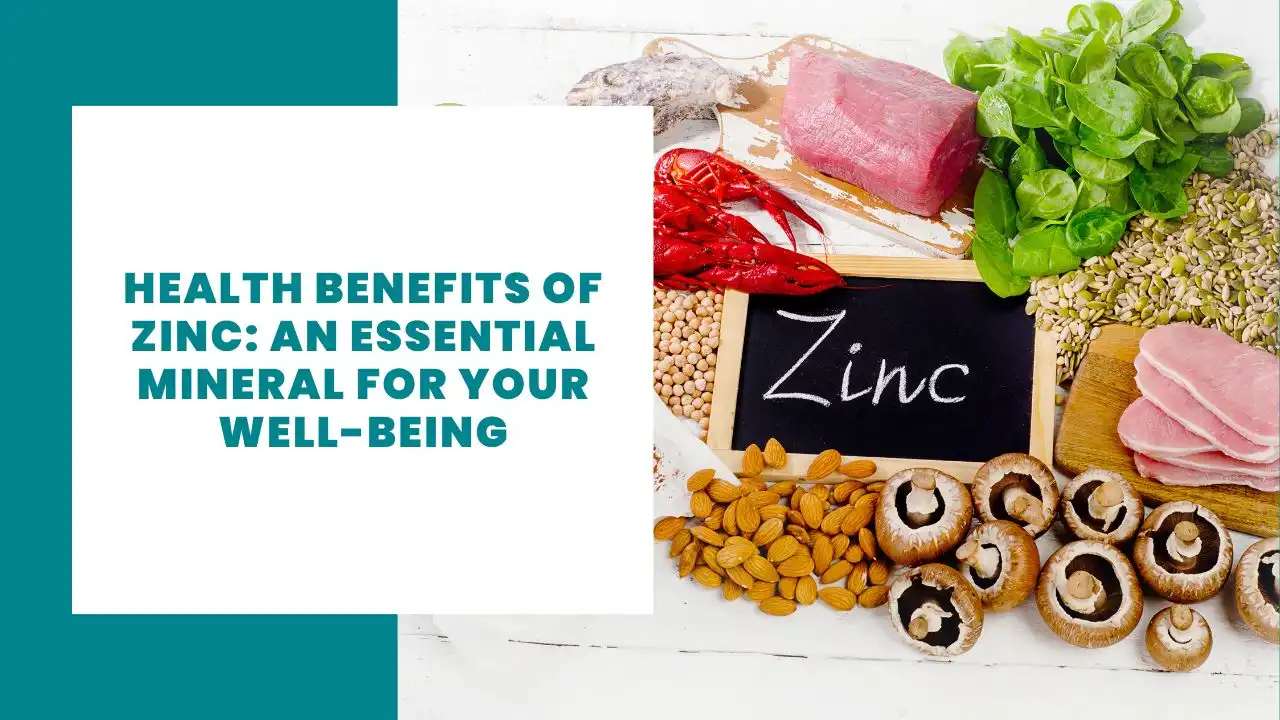
Zinc is an essential mineral that provides a wide range of health benefits, from boosting immune function to improving skin health, cognitive function, and more. Whether you are looking to take zinc supplements to treat a deficiency or improve your overall well-being, zinc is a powerful nutrient with many potential benefits. To ensure you get enough zinc in your diet, consider including zinc-rich foods such as meat, shellfish, legumes, and seeds. Zinc supplements may be a helpful option for those who need extra zinc, but it’s important to monitor your intake to avoid potential zinc toxicity. Always consult with a healthcare provider before starting any new supplementation regimen.
More about Healing Foods


