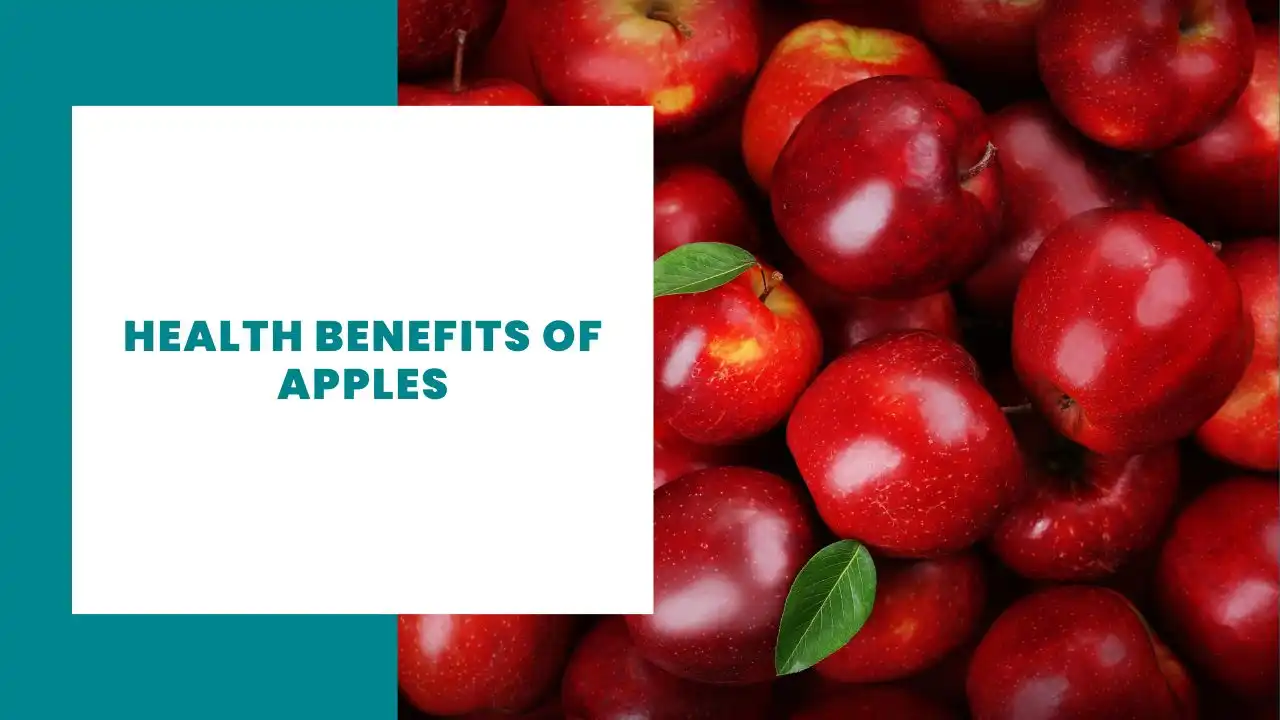
Apples are one of the most widely consumed fruits in the world, known for their sweet taste, versatility, and exceptional health benefits. From reducing the risk of chronic diseases to supporting digestive health, eating apples is a simple and delicious way to boost your overall well-being.
Apples are rich in essential nutrients and phytochemicals that contribute to their numerous health benefits. A medium apple contains:
Around 95 calories
Vitamin C: A powerful antioxidant that supports the immune system.
Fiber: Approximately 4 grams, aiding in digestion and helping you feel fuller after eating.
Polyphenols: Found in apple skin, these antioxidants help combat free radicals.
Including apples in your diet ensures you reap their nutritional value and promotes better health.
1. Rich in Antioxidants
Apples contain powerful antioxidants, such as quercetin and polyphenols, which help fight free radicals in the body. These compounds are mainly found in the apple peel, making it important to eat the skin for maximum benefits. Antioxidants found in apples protect cells and may reduce the risk of chronic diseases like cancer and cardiovascular disease.
2. Supports Heart Health
Regular apple consumption is associated with a decreased risk of cardiovascular disease. Apples are rich in soluble fiber, such as pectin, which helps lower cholesterol levels. Additionally, the flavonoids in apples improve heart health by reducing inflammation and supporting blood vessel function.
3. Aids in Weight Management
Eating apples can help manage weight due to their high fiber and water content, which promote feelings of fullness. Studies have found that eating a whole apple instead of apple juice or apple sauce reduces hunger and calorie intake. For weight control, try adding apples to your diet as a healthy snack or dessert.
4. Reduces the Risk of Type 2 Diabetes
Studies have shown that eating an apple a day is associated with a decreased risk of developing type 2 diabetes. The polyphenols in apples may help improve insulin sensitivity and regulate blood sugar levels, making them a great fruit choice for managing blood sugar.
5. Promotes Digestive Health
The fiber found in apples, particularly pectin, acts as a prebiotic, feeding the good bacteria in your gut. This promotes a healthy digestive system and may help prevent constipation. Eating apples regularly can improve gut health and overall digestion.
6. Boosts Bone Health
Apples are rich in nutrients that support strong bones. Quercetin, a flavonoid found in apple peel, may help reduce inflammation and strengthen bones. Incorporating apples into your diet along with other calcium-rich foods can significantly improve bone health.
7. May Reduce Cancer Risk
Antioxidants in apples, such as flavonoids and polyphenols, have been linked to a reduced risk of cancer. Research suggests that apple intake may protect against certain types of cancer, including lung, breast, and colon cancer. The apple peel contains the highest concentration of these beneficial compounds, so eat the peel for optimal health benefits.
8. Supports Immune Health
Apples are a good source of vitamin C, a key nutrient for maintaining a strong immune system. The antioxidants found in apples also support immune function by reducing inflammation and protecting cells from oxidative damage.
9. Helps Control Cholesterol Levels
Apples contain pectin, a type of soluble fiber that can bind with cholesterol in the gut and help lower cholesterol levels. Studies suggest that eating at least two apples a day may significantly reduce LDL (bad cholesterol), promoting better heart health.
10. Improves Brain Function
The antioxidants and phytonutrients in apples may protect the brain from oxidative stress and age-related decline. Research has found that apple flavonoids can improve memory and cognitive function, making apples a brain-boosting food.
11. Easy to Incorporate Into Your Diet
Apples are versatile and easy to enjoy in a variety of ways. Here are some ideas for adding apples to your meals:
Raw Apple: Enjoy a fresh apple as a snack or paired with nut butter.
Apple Slices: Add to salads for a crunchy texture.
Apple Juice: Opt for unsweetened, fresh-pressed juice for maximum nutrients.
Dried Apples: A convenient snack option, but choose varieties without added sugar.
Apple Sauce: Perfect for baking or as a healthy side dish.
Apple Cider: Enjoy warm or cold for a flavorful drink rich in polyphenols.
Different Apple Varieties
With so many types of apples available, you can experiment with flavors and textures. Some popular apple varieties include:
Red Delicious: Sweet and perfect for snacking.
Granny Smith: Tart and ideal for baking.
Fuji Apples: Crisp and sweet, great for eating raw.
Tips for Storing Apples
To enjoy apples at their freshest:
Store apples in the refrigerator to keep them crisp.
Avoid washing apples until you’re ready to eat them to prevent moisture buildup.
Choose organic apples when possible to avoid pesticide residues.
Conclusion
Apples are one of the healthiest fruits you can include in your diet. Whether you enjoy them raw, as apple slices, or in recipes like apple sauce or apple cider, eating apples regularly offers countless health benefits. From supporting heart and bone health to reducing the risk of diabetes and cancer, apples prove that “an apple a day keeps the doctor away” isn’t just a saying—it’s a scientifically backed truth.
We use cookies on our website to give you the most relevant experience by remembering your preferences and repeat visits. By clicking “Accept”, you consent to the use of ALL the cookies.
This website uses cookies to improve your experience while you navigate through the website. Out of these, the cookies that are categorized as necessary are stored on your browser as they are essential for the working of basic functionalities of the website. We also use third-party cookies that help us analyze and understand how you use this website. These cookies will be stored in your browser only with your consent. You also have the option to opt-out of these cookies. But opting out of some of these cookies may affect your browsing experience.
Necessary cookies are absolutely essential for the website to function properly. This category only includes cookies that ensures basic functionalities and security features of the website. These cookies do not store any personal information.
Any cookies that may not be particularly necessary for the website to function and is used specifically to collect user personal data via analytics, ads, other embedded contents are termed as non-necessary cookies. It is mandatory to procure user consent prior to running these cookies on your website.