

11 Health Benefits of Jicama
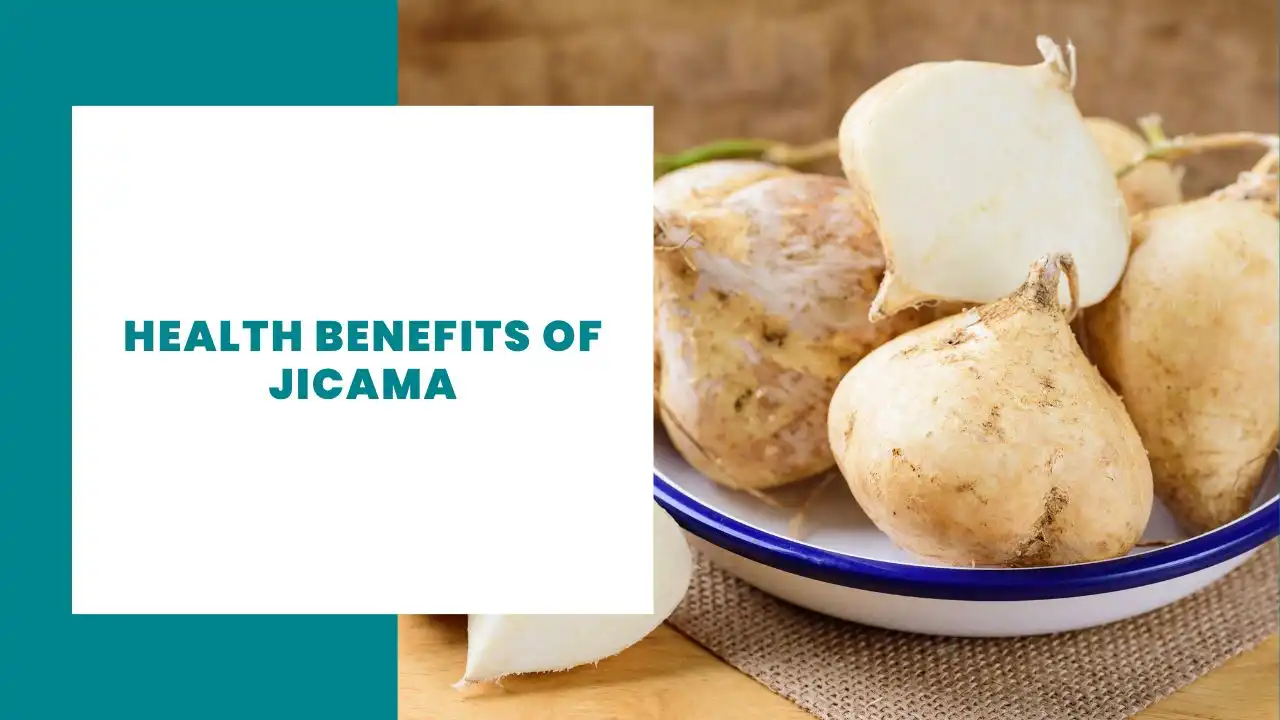
Jicama, often referred to as the Mexican yam bean, is a root vegetable native to Mexico. Known for its crisp texture and slightly sweet flavor, jicama is a versatile ingredient that can be eaten raw, in salads, or cooked in various dishes. But beyond its delightful taste and crunchy texture, jicama offers a variety of health benefits that make it a valuable addition to your diet.
Packed with essential nutrients, jicama is a great source of vitamin C, dietary fiber, and antioxidants. Whether you’re looking to improve your gut health, regulate blood sugar levels, or even support your heart health, jicama provides numerous nutrition benefits. Let’s explore 11 key health benefits of jicama that can support your overall well-being.
Written by
- Redaction Team
- Body, Healing Foods, Personal Development
Table of Contents
1. Supports Gut Health
Jicama is a good source of fiber, especially a type of prebiotic fiber called inulin. Inulin in jicama feeds the good bacteria in your gut, helping to promote a healthy microbiome. These beneficial bacteria are crucial for digestion, nutrient absorption, and immune function.
- The fiber in jicama helps maintain regular bowel movements and prevent constipation.
- Jicama can help increase the number of good bacteria in your gut, supporting better digestion and overall gut health.
2. Aids in Weight Loss
If you’re trying to lose weight, jicama can be an excellent food choice. It is low in calories but high in fiber, which helps you feel fuller for longer periods. This makes jicama a satisfying snack that can keep hunger at bay without adding excessive calories.
- Jicama is low in calories, with just about 49 calories per cup.
- The high fiber in jicama can promote satiety and reduce overall food intake.
3. Regulates Blood Sugar Levels
One of the most remarkable health benefits of jicama is its ability to help regulate blood sugar levels. Due to its low glycemic index, jicama is a safe food for people with diabetes or anyone looking to maintain stable blood sugar.
- Jicama contains inulin, which has been shown to help regulate blood sugar levels by slowing down the absorption of sugars into the bloodstream.
- Jicama is a good source of fiber, which can help control blood sugar spikes after meals.
4. Promotes Heart Health
Jicama also supports heart health due to its combination of fiber, antioxidants, and potassium. These nutrients work together to reduce the risk of cardiovascular disease by lowering blood pressure and supporting healthy blood vessels.
- Jicama contains potassium, which can help regulate blood pressure.
- The fiber in jicama may help reduce cholesterol levels, contributing to heart health.
- Jicama is a good source of antioxidants that protect the heart from oxidative stress.
5. Boosts Immune Function
The source of vitamin C found in jicama makes it an excellent food for supporting the immune system. Vitamin C is essential for the growth and repair of tissues and helps fight off infections and illnesses.
- Jicama contains nearly 25% of the daily recommended intake of vitamin C per cup.
- Vitamin C also plays a crucial role in the production of collagen, contributing to healthy skin and wound healing.
6. Supports Bone Health
Jicama can contribute to bone health due to its fiber content and the presence of vitamins and minerals like calcium and magnesium. These nutrients are essential for maintaining strong bones and preventing bone loss as we age.
- Jicama contains calcium, which supports bone density and strength.
- Jicama also contains magnesium, which helps regulate calcium and plays a key role in bone structure.
7. Rich in Antioxidants
The antioxidants found in jicama can help protect the body from oxidative damage caused by free radicals. This oxidative stress is linked to various chronic diseases, including cancer, diabetes, and heart disease.
- Jicama is a good source of antioxidants such as flavonoids and polyphenols.
- These antioxidants help neutralize free radicals and reduce inflammation, promoting overall health and nutrition.
8. Improves Skin Health
Thanks to its high vitamin C content, jicama can contribute to healthier skin. Vitamin C is an essential nutrient for collagen production, which is crucial for maintaining the skin’s elasticity and preventing premature aging.
- Jicama contains vitamin C, which can help reduce the appearance of wrinkles and fine lines.
- The antioxidants in jicama also protect the skin from sun damage and environmental pollutants.
9. Reduces Inflammation
The anti-inflammatory properties of jicama make it an excellent addition to an anti-inflammatory diet. Chronic inflammation is associated with a wide range of health issues, including arthritis, heart disease, and even cancer.
- Jicama contains antioxidants that help reduce inflammation throughout the body.
- Regular consumption of jicama may help reduce symptoms of chronic inflammatory conditions.
10. Detoxifies the Body
The fiber in jicama helps cleanse the digestive system, aiding in the removal of toxins from the body. By promoting regular bowel movements, jicama can support your body’s natural detoxification processes.
- Jicama acts as a natural detoxifier, helping to flush out waste and toxins from the body.
- The fiber in jicama binds to toxins and helps remove them through the digestive tract.
11. Versatile and Easy to Add to Your Diet
One of the best health benefits of jicama is how easy it is to incorporate into your meals. The jicama plant is available in most grocery stores year-round, and there are countless ways to enjoy this nutritious vegetable.
- You can eat jicama raw, either sliced or as jicama sticks, with a squeeze of lime juice for added flavor.
- Jicama fries and jicama salad are popular recipes that highlight the crisp texture and mild flavor of this root vegetable.
- Jicama juice is another way to consume this vegetable, offering a refreshing and nutrient-packed beverage.
Conclusion
The health benefits of jicama extend far beyond its delicious taste. Whether you’re looking to support your gut health, manage your blood sugar levels, or simply enjoy a nutrient-packed snack, jicama is a great addition to your diet. This root vegetable is not only low in calories but also a good source of vitamin C, fiber, and antioxidants that can help promote heart health, improve digestion, and even support bone health.
Try adding jicama to your meals today—whether raw, cooked, or juiced—and experience the nutrition benefits for yourself. Whether you’re slicing it into a fresh salad, enjoying jicama sticks with a dip, or using it in a stir-fry, jicama is a tasty, versatile, and nutritious option for a healthy lifestyle.
More about Healing Foods


