

10 Health Benefits of Iron
Iron is an essential mineral that plays a crucial role in various bodily functions. It is important to understand the significance of iron supplementation, how iron deficiency can impact overall health, and how to ensure optimal iron levels to maximize its health benefits.
Written by
- Redaction Team
- Body, Healing Foods, Personal Development
Table of Contents
Health Benefits of Iron
- Oxygen Transport: Iron is a fundamental component of hemoglobin, the protein in red blood cells that carries oxygen from the lungs to all body tissues. Without adequate iron, the body cannot efficiently transport oxygen, leading to fatigue and anemia.
- Prevention of Anemia: Iron deficiency is a common cause of anemia, a condition characterized by a reduced number of red blood cells or a decreased hemoglobin level. Adequate iron intake helps prevent and treat anemia, improving overall energy levels and reducing weakness and dizziness.
- Cognitive Function: Iron is essential for maintaining healthy brain function. It is involved in cognitive processes and helps ensure proper neurotransmitter function, which can affect concentration, memory, and overall mental clarity.
- Immune System Support: Iron contributes to a well-functioning immune system. It helps immune cells, such as white blood cells, effectively combat infections and illnesses.
- Energy Production: Iron plays a role in the production of adenosine triphosphate (ATP), the body's primary energy currency. Sufficient iron levels help maintain energy and vitality.
- Muscle Function: Iron is essential for proper muscle function, as it is needed for the synthesis of myoglobin, a protein that stores oxygen in muscles. This supports muscle endurance and performance.
- Growth and Development: Iron is particularly important for children, adolescents, and pregnant women, as it is essential for growth, cognitive development, and the health of both the mother and the developing fetus.
- Skin, Hair, and Nail Health: Iron is involved in the formation of collagen, a protein that supports healthy skin, hair, and nails. Iron deficiency can lead to brittle nails, pale skin, and hair loss.
- Regulation of Body Temperature: Iron helps regulate body temperature by supporting the production of enzymes and proteins involved in various metabolic processes.
- Enhanced Physical Endurance: Athletes and individuals engaging in regular physical activity benefit from adequate iron intake, as it contributes to improved endurance and overall performance.
The Importance of Iron Supplementation
How does iron supplementation benefit the body?
Iron supplementation provides the body with an additional source of iron, which is necessary for the production of hemoglobin. Hemoglobin is a protein in red blood cells that helps transport oxygen throughout the body. Adequate iron levels are vital for energy production and overall well-being.
What are the health benefits of taking iron supplements?
Taking iron supplements can help prevent and treat iron deficiency anemia, improve energy levels, support cognitive function, and boost the immune system. It also aids in maintaining healthy skin, hair, and nails.
What are the signs of iron deficiency that indicate the need for supplementation?
Signs of iron deficiency include fatigue, weakness, pale skin, shortness of breath, dizziness, and brittle nails. Individuals experiencing these symptoms should consider consulting a healthcare professional for iron supplementation.
Addressing Iron Deficiency and Anemia
How does iron deficiency affect red blood cell production?
Iron deficiency can lead to impaired red blood cell production, resulting in a decreased capacity to carry oxygen. This can lead to anemia, which may manifest as weakness, fatigue, and other health complications.
What are the health risks associated with iron deficiency anemia?
Iron deficiency anemia can increase the risk of infections, impair physical and cognitive development in children, and lead to complications during pregnancy. It can also exacerbate existing health conditions, such as heart problems.
What are the sources of iron that can help combat iron deficiency?
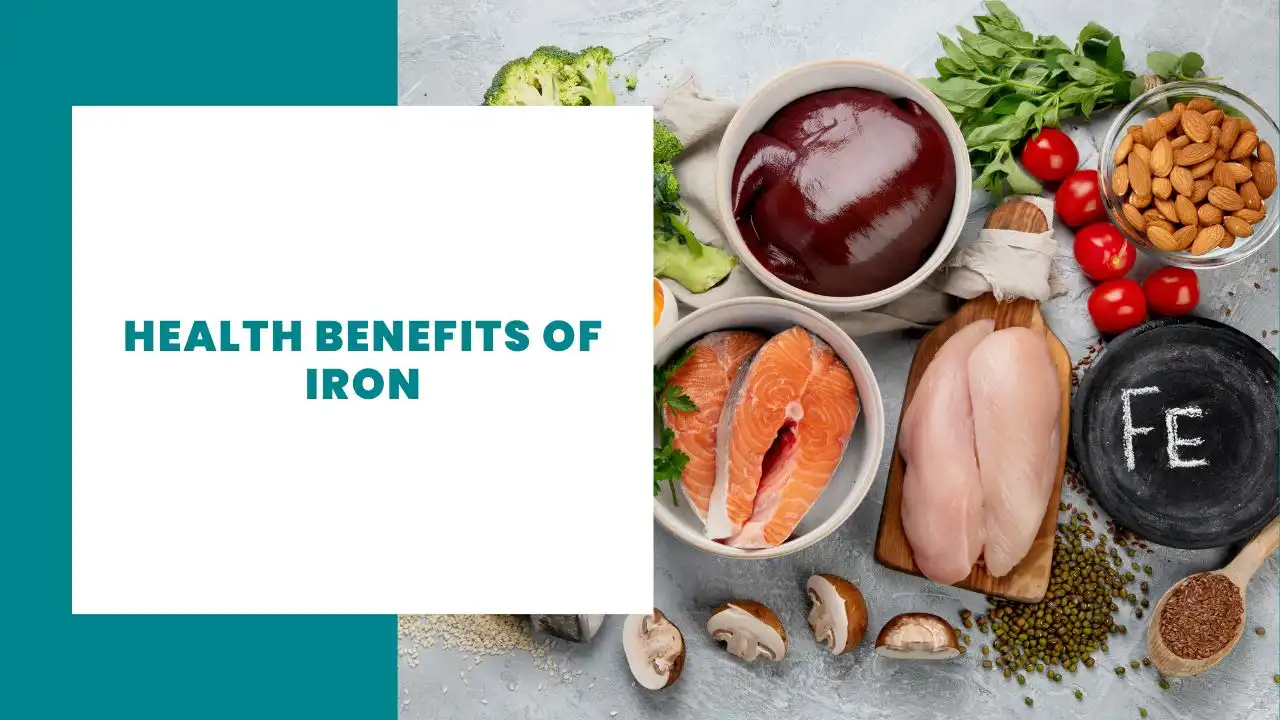
Dietary sources of iron include red meat, poultry, fish, lentils, beans, fortified cereals, and leafy green vegetables. Consuming foods rich in vitamin C can enhance iron absorption from plant-based sources.
Ensuring Optimal Iron Levels
How can individuals ensure optimal iron intake through diet?
Consuming a balanced diet that includes a variety of iron-rich foods can help maintain optimal iron levels. Additionally, cooking in cast-iron cookware and avoiding excessive intake of tea and coffee, which can inhibit iron absorption, are beneficial practices.
What factors may impede iron absorption in the body?
Factors such as excessive tea and coffee consumption, consumption of calcium or fiber supplements with meals, and gastrointestinal conditions can hinder the body’s ability to absorb iron effectively.
What are the recommended daily allowances for iron intake to maintain healthy levels?
The recommended dietary allowances for iron intake vary by age and gender. For adult males, it is 8 milligrams per day, while for females aged 19-50 years, it is 18 milligrams per day.
Maximizing the Health Benefits of Iron
What are the overall health benefits of ensuring adequate iron levels?
Ensuring adequate iron levels promotes optimal oxygen transport, supports energy metabolism, and enhances overall physical and cognitive function. It also contributes to healthy immune function and aids in the maintenance of healthy skin and hair.
How does iron help carry oxygen around the body and support overall health?
Iron is a critical component of hemoglobin, the protein in red blood cells that binds to oxygen in the lungs and carries it to tissues throughout the body. Adequate iron levels are essential for the body to perform this vital function effectively.
How does iron intake influence general well-being and energy levels?
Adequate iron intake supports the production of adenosine triphosphate (ATP), the energy currency of the cell. This, in turn, ensures optimal energy levels and overall well-being.
Understanding Iron Supplementation for Specific Groups
What are the specific benefits of iron supplementation for pregnant women?
Pregnant women often require additional iron to support fetal growth and development, prevent maternal anemia, and reduce the risk of preterm birth or low birth weight. Iron supplementation during pregnancy can help meet these increased demands.
How can individuals with low iron levels effectively replenish their iron stores?
Individuals with low iron levels can replenish their iron stores through the use of oral iron supplements, consuming iron-rich foods, and addressing factors that may inhibit iron absorption. Regular monitoring of iron levels is important to ensure successful replenishment.
What are the recommended iron intake levels for individuals experiencing low iron?
For individuals experiencing low iron, the recommended intake may vary based on the severity of the deficiency and individual health factors. Healthcare professionals can provide personalized recommendations for iron supplementation and dietary adjustments.
More about Healing Foods


