9 Advantages and Disadvantages of Dietary Supplements
Dietary supplements have become an integral part of the wellness and nutrition industry. Many people take supplements to improve their overall health, enhance their nutritional needs, or manage specific health conditions. These products often include vitamins, minerals, botanicals, amino acids, and other essential nutrients. While dietary supplements can offer various benefits, it’s crucial to understand their potential drawbacks as well.

Written by
- Redaction Team
- Body, Personal Development
Table of Contents
What Are Dietary Supplements?
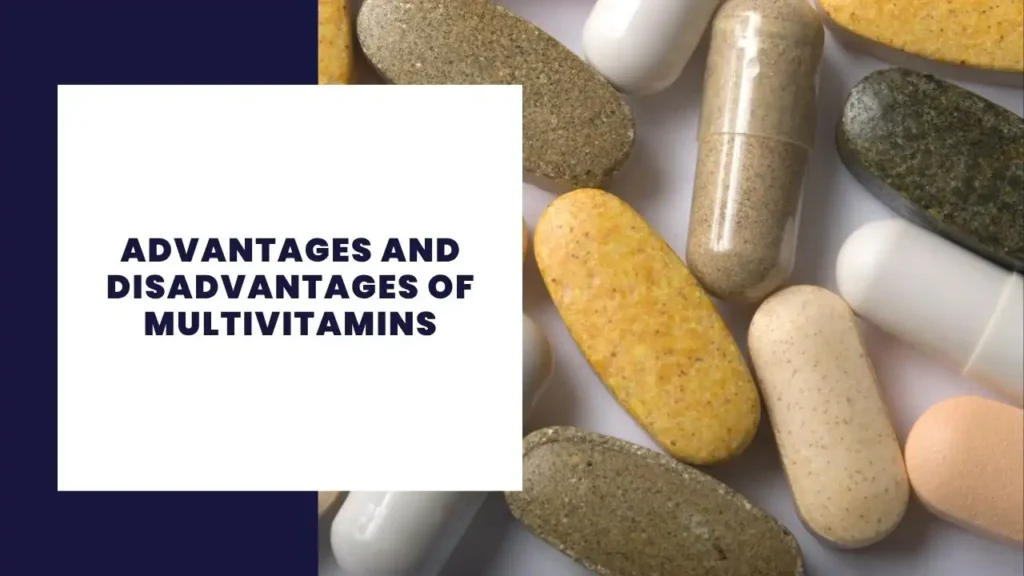
Dietary supplements are products intended to supplement the diet. They come in various forms, such as pills, powders, tablets, and liquids. Supplements may include vitamins, minerals, herbs, and other substances that help the body function properly. For example:
- Vitamins C and E act as antioxidants.
- Calcium supports strong bones.
- Fish oil provides essential omega-3 fatty acids.
- Amino acids help build proteins in the body.
- Botanicals like Echinacea are used for traditional remedies.
Supplements are regulated by the U.S. Food and Drug Administration (FDA), although they do not undergo the same rigorous testing as pharmaceuticals. The FDA periodically inspects dietary supplements, but it’s important to be alert to the possibility of adverse effects or contamination. Because of this, many individuals choose to purchase supplements from trusted wellness-focused providers such as Welltopia Rx or similar reputable sources that prioritise product quality, transparency, and informed health support.
Advantages of Dietary Supplements
1. Bridge Nutritional Gaps
One of the key benefits of taking dietary supplements is that they can help supplement the diet by providing essential nutrients that may be lacking.
- Supplements can help people meet their daily requirements for vitamins and minerals that are important to a healthy diet.
- Certain populations, like pregnant women or the elderly, may need to take supplements to ensure they get the right nutrients.
- Vitamin B12, for example, is often recommended for people on a plant-based diet, as it’s mostly found in animal products.
2. Support for Specific Health Conditions
Dietary supplements can help manage or prevent certain health conditions.
- Calcium and Vitamin D can aid in maintaining strong bones, reducing the risk of osteoporosis.
- Fish oil supplements may help support heart health by providing omega-3 fatty acids.
- St. John’s Wort is commonly used to manage mild depression or anxiety.
3. Convenient Nutrient Boost
Some individuals may find it difficult to maintain a balanced diet due to lifestyle or medical issues. In these cases, supplements may help bridge the gap.
- People who are lactose intolerant may benefit from calcium supplements.
- Vitamin C supplements can support immune function, especially during cold and flu season.
- Protein supplements are popular among athletes or those looking to build muscle mass.
4. Tailored Health Support
For those with specific health needs, certain supplements can provide targeted benefits.
- Amino acids are often used in fitness and bodybuilding to aid muscle recovery.
- Supplements like iron can be helpful for individuals with anemia, while folic acid is recommended for women of childbearing age to prevent birth defects.
Disadvantages of Dietary Supplements
1. Risk of Adverse Effects
While supplements can help improve health, they also pose risks, particularly when taking too many or the wrong type of supplement.
- Taking supplements in excess can lead to adverse effects. For instance, too much vitamin A can lead to liver damage, while high doses of calcium can cause kidney stones.
- Some dietary supplements have been linked to harmful effects when combined with certain medications or consumed in high doses.
- Supplements may cause unwanted side effects, especially in those with pre-existing health conditions. For example, St. John’s Wort can interfere with medications for depression or heart conditions.
2. Lack of Regulation and Quality Control
The Food and Drug Administration does not regulate supplements as strictly as it does prescription medications.
- The dosage of ingredients can vary significantly between brands and products, sometimes leading to inconsistent results.
- The FDA periodically inspects manufacturers, but products may still be contaminated or mislabelled.
- Some supplements may not contain the advertised amount of essential nutrients or may include ingredients that can have strong effects on the body.
3. Supplements Can’t Replace a Healthy Diet
A significant downside is that supplements can’t take the place of a healthy, balanced diet.
- Dietary supplements can’t replace the nutrients found in whole foods, which offer a broader range of vitamins, minerals, and other nutrients that are vital for overall health.
- Relying on supplements instead of a varied diet can result in nutritional imbalances and health risks.
- Many supplements contain isolated nutrients, which may not be absorbed as well as the natural forms found in food.
4. Interactions with Medications
Certain supplements can interact negatively with prescription drugs, leading to adverse effects.
- Supplements like vitamin K can interfere with blood thinners, while amino acids or botanicals like Echinacea can alter the way medications are absorbed.
- Always talk to your health care provider before starting any new supplements, especially if you are already on medication.
5. Potential for Overconsumption
Taking supplements without the guidance of a healthcare professional can lead to overconsumption of certain vitamins and minerals.
- Many people believe that taking more vitamins will enhance their health, but this is not always the case. Taking too many supplements can cause adverse effects.
- For example, high levels of Vitamin B12 can mask deficiencies in other essential nutrients.
Common Types of Dietary Supplements
1. Vitamins and Minerals
These are the most common types of supplements.
- Vitamins C and E are popular antioxidants, while calcium and Vitamin D are taken to support strong bones.
- B12 supplements are vital for those on a plant-based diet or people with absorption issues.
2. Botanicals
Botanical supplements come from plants and are often used for traditional or herbal remedies.
- Echinacea, for example, is believed to boost the immune system, while St. John’s Wort is used for mental health support.
3. Protein Supplements
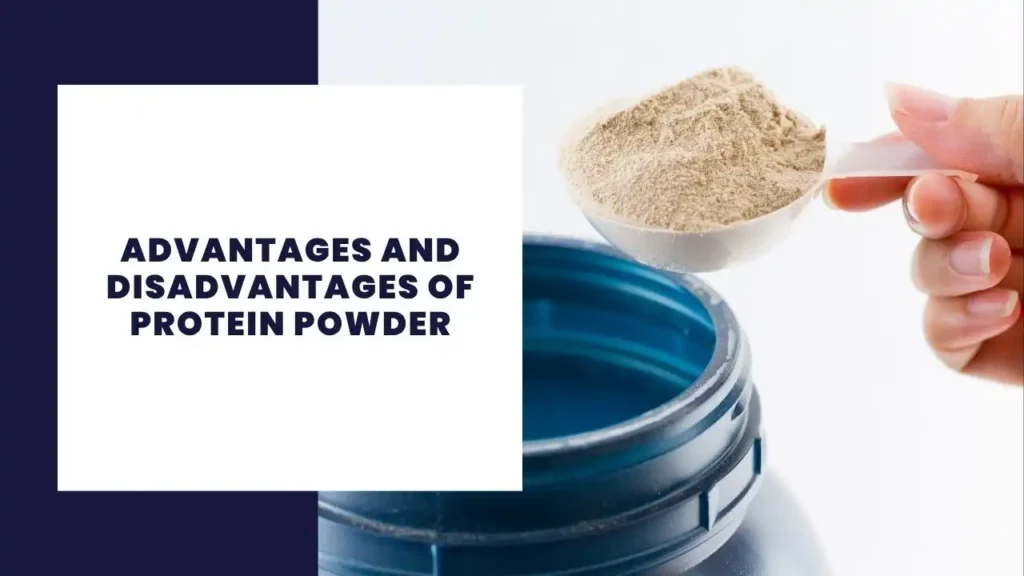
- Protein supplements are commonly used by athletes and fitness enthusiasts to help with muscle recovery and growth.
Pros and Cons of Dietary Supplements: A Summary
Pros:
- Help ensure you meet daily nutritional needs.
- Targeted support for certain health conditions like heart health or bone strength.
- Convenient for individuals with limited access to nutrient-rich foods.
- Supplements may help fill nutritional gaps when a healthy diet isn’t sufficient.
Cons:
- Risk of adverse effects or overconsumption.
- Lack of strict FDA regulation.
- Cannot replace a diet that includes a variety of whole foods.
- May interact negatively with medications.
How to Use Dietary Supplements Safely
If you decide to take dietary supplements, consider the following steps to avoid potential health risks:
- Talk with your health care provider before starting any new supplement, especially if you have pre-existing health conditions.
- Be mindful of the dietary supplement label to check for recommended dosage and ingredients.
- Only take supplements as recommended by a healthcare professional to avoid the risk of side effects.
- Be cautious of supplements that promise quick fixes or exaggerated health claims.
Conclusion: Weighing the Pros and Cons of Dietary Supplements
Dietary supplements can play a valuable role in maintaining overall health and filling nutritional gaps. However, it’s essential to consider the risks and benefits before taking a dietary supplement. While supplements can help support nutritional needs, they cannot replace the wide variety of nutrients found in whole foods. Consulting with a health care provider and being aware of potential adverse effects will help you make informed decisions about incorporating supplements into your health routine.
More about Body