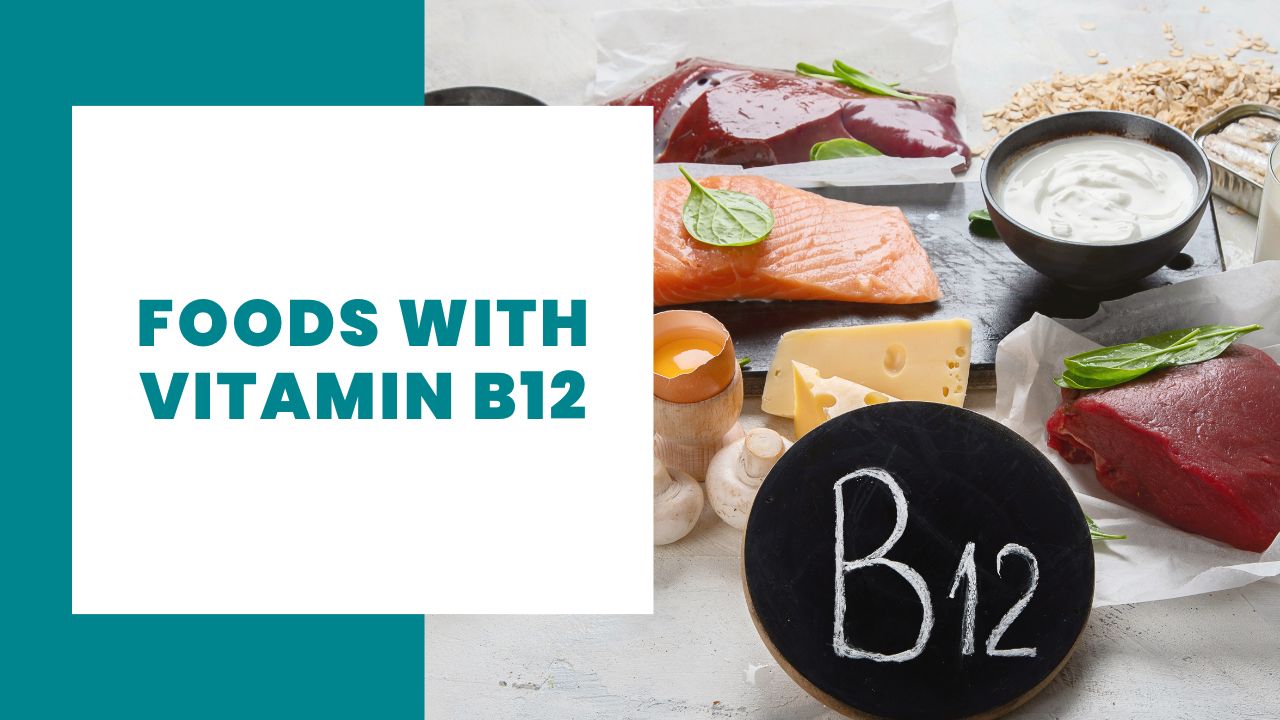
Foods with Vitamin B12: Your Guide to Avoiding Deficiency
Vitamin B12 is essential for your body’s normal functioning. However, it is a water-soluble vitamin, which means your body has difficulty storing it.
Thus, it is important to consume sources of vitamin B12 regularly to avoid deficiency.
In this article, we will guide you on how to get enough Vitamin B12 in your diet to prevent deficiency.
- Redaction Team
- Body, Healing Foods, Personal Development
What is Vitamin B12 and Why is it Important?
What is Vitamin B12?
Vitamin B12, also known as cobalamin, is a water-soluble essential vitamin that is needed for the efficient functioning of many processes in the body.
Why is Vitamin B12 Important?
Vitamin B12 is important because it keeps the body’s nerve and blood cells healthy, helps make DNA, the genetic material in all cells, and prevents a type of anemia known as megaloblastic anemia. Also, Vitamin B12 is important as a Hashimoto Supplements.
What Happens When We Don't Get Enough Vitamin B12?
When we do not get enough Vitamin B12, the body will start to break down and exhibit symptoms related to Vitamin B12 deficiency. The severity of these symptoms is dependent on the severity and length of time of deficiency.
Sources of Vitamin B12
- Clams 84 mg
- Liver (Beef) 70 mg
- Fish (mackerel) 16 mg
- Crab 11.5 mg
- Salmon 4.9 mg
- Trout 4.2 mg
- Herring 3.6 mg
- Tuna 2.9 mg
- Milk 1.2 mg
- Yogurt 1.1 mg
- Pork 0.7 mg
- Cheese 0.9 mg
- Eggs 0.6 mg
- Chicken 0.3 mg
- Beef 0.3 mg
- Fortified Cereal Varies
- Fortified Soy Milk Varies
- Nutritional Yeast Varies
The values provided in the table are per 100 grams of the respective food items.
What are the Best Sources of Vitamin B12?
The best sources of vitamin B12 are found in animals, including fish, meat, poultry, eggs, and dairy products.
What Foods are High in Vitamin B12?
Foods that are high in Vitamin B12 include clams, beef liver, trout, salmon, tuna, milk, cheese, and eggs. These foods contain high enough amounts of Vitamin B12 to help reach the daily recommended intake levels.
Can Vegans Get Enough Vitamin B12 from Food?
Vegans can get Vitamin B12 from fortified foods or supplements. Many plant-based foods do not contain Vitamin B12. Therefore, it is essential to consider taking supplements if you are vegan or vegetarian.
How Much Vitamin B12 Should You Take?
What is the Recommended Daily Intake of Vitamin B12?
The Recommended Daily Intake of Vitamin B12 varies with age, gender, and other factors. For adults, a general guideline is 2.4 micrograms per day.
What is the Safe Upper Limit for Vitamin B12 Intake?
There is no known safe upper limit for Vitamin B12 intake. This is because there is no evidence that consuming high amounts of Vitamin B12 can cause toxicity or adverse effects.
How to Determine if You Have Enough Vitamin B12?
You can determine if you have enough Vitamin B12 by getting a blood test or measuring Vitamin B12 levels. This will let you know if you need to adjust your food intake or take supplements.
Fortified Foods and Vitamin B12 Supplements
What are Some Foods That Are Fortified With Vitamin B12?
Foods that are fortified with Vitamin B12 include breakfast cereals, plant-based milks, and nutritional yeast.
Is it Recommended to Take Vitamin B12 Supplements?
If you are vegan or vegetarian, it is important to consider taking Vitamin B12 supplements to avoid deficiency. Even if you consume animal products, taking supplements could be beneficial because it may be difficult to get the recommended daily amount from food alone.
How Much Vitamin B12 Should You Take if You Are Deficient?
If you are deficient in Vitamin B12, the recommended dose is generally higher than the daily recommended intake. The amount of Vitamin B12 required depends on the severity of the deficiency.
The Risks of Vitamin B12 Deficiency
What are the Risks of a Vitamin B12 Deficiency?
Vitamin B12 deficiency can lead to many adverse effects, including anemia, fatigue, weakness, numbness and tingling in the limbs, and cognitive issues. Severe deficiencies can even lead to neurological issues, such as depression, dementia, and vision problems.
What are the Symptoms of Vitamin B12 Deficiency?
The symptoms of Vitamin B12 deficiency include fatigue, weakness, pale skin, chest pain, rapid heartbeat, and shortness of breath. Other symptoms include numbness or tingling in the limbs, cognitive issues, and depression.
How to Prevent Vitamin B12 Deficiency?
To prevent Vitamin B12 deficiency, it is important to consume adequate amounts of Vitamin B12 from food or supplements. Vegans, vegetarians and older adults are particularly at risk of developing a deficiency and should consider taking supplements.
A Final Word
What Are the Bottom Line of Getting Vitamin B12?
The bottom line on getting Vitamin B12 is that it is essential for many bodily functions, from nerve and blood cell health, to mood and cognitive function.
What are the Overal Health Benefits of Vitamin B12?
Vitamin B12 may offer overall health benefits, such as helping with energy levels, assisting in the regulation of the nervous system, and preventing some forms of anemia.
When it Might Be Necessary for You to Take More Vitamin B12?
You may need to take more Vitamin B12 if you are deficient or have an increased need for the vitamin, such as during pregnancy or breastfeeding. It is recommended to discuss with a healthcare provider before supplementing with Vitamin B12.


