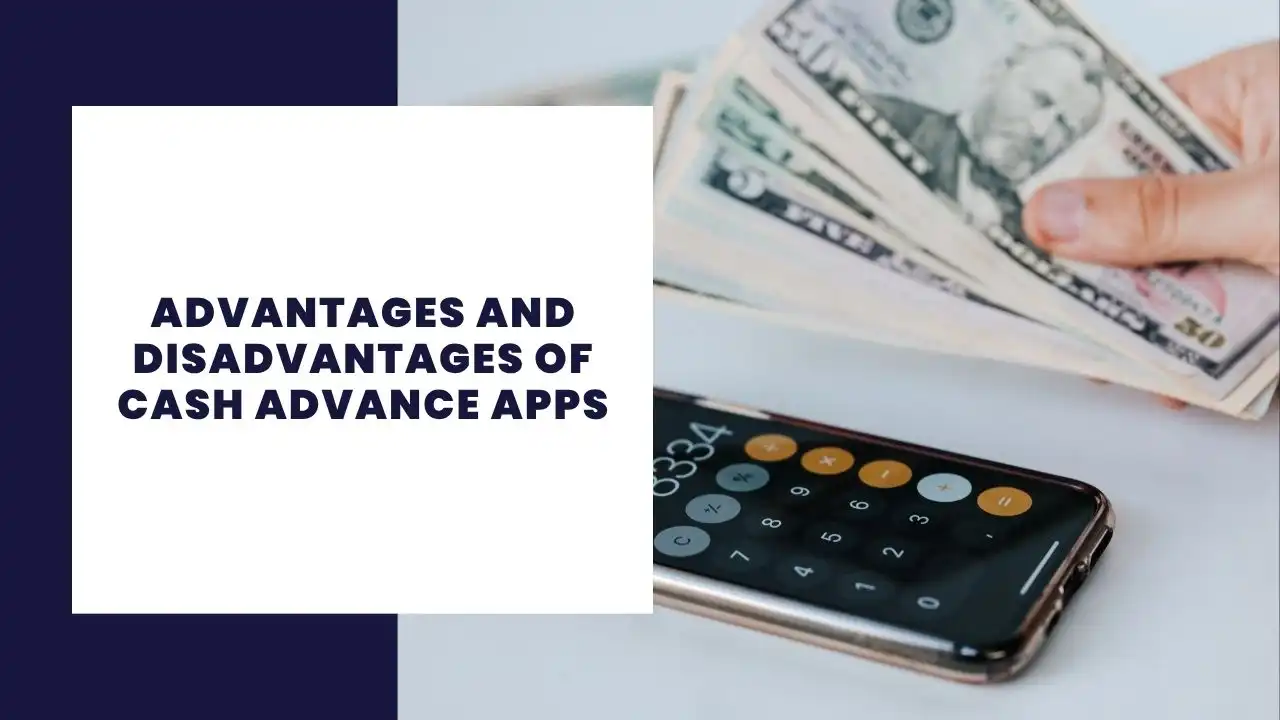
Cash advance apps have become increasingly popular in recent years, offering a quick and convenient way for individuals to access short-term funds. As the demand for instant financial solutions grows, these apps present both opportunities and challenges. While they can be a lifesaver in emergencies, they also come with potential pitfalls that users should be aware of. Understanding the benefits and drawbacks of cash advance apps is crucial before integrating them into your financial routine.
What is a Cash Advance App
A cash advance app is a digital platform that allows users to borrow small amounts of money, often up to a few hundred dollars, with minimal approval processes. Unlike traditional payday loans, many of these apps do not require extensive credit checks or collateral. They are designed to provide quick financial relief by offering funds directly to your bank account or via a linked debit card, often within minutes or hours of request.
These apps typically operate on a model that emphasizes convenience and speed. Users connect their bank accounts or payroll information, and the app determines eligibility based on their income and spending patterns. Repayment is usually automatic, deducted from the user’s bank account on the next payday or at a scheduled date. This simplicity and immediacy have made cash advance apps increasingly appealing, especially for those facing unexpected expenses or cash flow gaps.
Advantages of Cash Advance Apps
1. Quick Access to Funds
One of the most significant advantages of cash advance apps is the speed at which they provide funds. In emergency situations, such as sudden medical expenses or urgent bills, users can often receive money within minutes of applying. This rapid access can prevent late fees, disconnections, or other complications that arise from a lack of immediate cash.
2. Convenience and Ease of Use
Cash advance apps are designed with user-friendliness in mind. The process typically involves downloading an app, linking your bank account, and requesting a small loan with just a few taps. There are no complicated paperwork or lengthy approval processes, making it accessible for people who may not qualify for traditional loans or credit cards.
3. No Collateral Required
Unlike secured loans that require collateral, cash advance apps do not ask for any assets to be pledged. This feature reduces the barrier to access and makes it easier for individuals with limited assets or poor credit history to obtain short-term funds.
4. Budgeting and Financial Planning
Some cash advance apps offer features that help users plan their finances better. They provide insights into spending habits, upcoming expenses, and repayment schedules, which can assist in managing cash flow more effectively. For many, this serves as a tool to avoid overdraft fees or late payments.
5. Accessibility for All Income Levels
Because approval is often based on income rather than credit score, cash advance apps can serve a broader demographic. People with bad or no credit history can still access short-term funds, providing a financial safety net when traditional borrowing options are limited.
6. No Impact on Credit Score
Most cash advance apps do not perform hard credit checks, so using them typically doesn’t affect your credit score. This allows users to access emergency funds without risking damage to their credit profile.
7. Flexible Repayment Options
Many apps allow users to choose when and how to repay the borrowed amount, offering flexibility that aligns with their pay schedules. This adaptability can ease the burden of repayment, especially for those with irregular income.
8. Reduced Paperwork and Formalities
Since the entire process is digital, there’s no need for physical paperwork or in-person visits. This streamlines the borrowing process, saving time and effort for the user.
9. Emergency Preparedness
Having quick access to cash can be a vital part of financial planning for unforeseen circumstances. Cash advance apps serve as a safety net, providing peace of mind that funds are available when needed most.
10. Potential for Building Financial Discipline
Some apps include features that encourage responsible borrowing and repayment. This can help users develop better financial habits over time, especially if they use the app to manage short-term cash needs responsibly.
11. Lower Barriers to Entry
Traditional loans often require extensive credit checks, collateral, and lengthy approval times. Cash advance apps lower these barriers, making borrowing accessible to a larger population, including those with less-than-ideal credit histories.
12. Integration with Payroll Systems
Many cash advance apps are integrated with employer payroll systems, allowing employees to access wages they’ve already earned before payday. This feature can reduce reliance on high-interest payday loans and help manage expenses more effectively.
13. No Impact on Future Borrowing Eligibility
Since cash advances are typically small and short-term, they usually don’t impact your ability to qualify for other types of credit in the future. This makes them a flexible option for handling temporary financial needs.
14. Transparency in Fees and Terms
Most reputable cash advance apps clearly disclose their fees, interest rates, and repayment terms upfront. This transparency helps users make informed decisions and avoid unexpected charges.
Disadvantages of Cash Advance Apps
1. High Fees and Interest Rates
While the convenience is undeniable, cash advance apps often charge high fees and interest rates, especially if repayments are delayed. These costs can quickly escalate, making borrowing expensive compared to traditional credit options.
2. Risk of Debt Cycle
Repeated use of cash advance apps can lead to a cycle of debt. Borrowers may rely on these apps to cover ongoing expenses, resulting in a pattern of borrowing and repayment that becomes hard to break, ultimately worsening their financial situation.
3. Impact of Over-Borrowing
Some users may be tempted to borrow more than they need or can afford to repay, especially given the ease of access. Over-borrowing can lead to financial strain and difficulty in meeting repayment obligations.
4. Potential for Hidden Costs
Although many apps are transparent, some may have hidden fees, charges for missed payments, or unfavorable terms that can catch users off guard. It’s essential to read the fine print before borrowing.
5. Limited Loan Amounts
Cash advance apps typically offer small loan amounts, which may not suffice for larger expenses. This limitation means users might need multiple advances if their financial needs exceed the available limit, increasing costs and complexity.
6. No Long-term Financial Solution
Cash advances are designed for short-term relief and are not a substitute for sustainable financial planning. Relying on them regularly can prevent addressing underlying financial issues.
7. Possible Negative Impact on Credit Score
While most apps don’t perform hard credit checks, missed payments or defaults can be reported to credit bureaus if the app reports to credit agencies, potentially harming your credit score.
8. Privacy and Data Security Concerns
Using cash advance apps requires sharing sensitive financial information. If the app’s security measures are inadequate, there’s a risk of data breaches or misuse of personal information.
9. Not Suitable for Large Expenses
Due to their small borrowing limits, cash advance apps are unsuitable for major purchases or significant financial emergencies, limiting their usefulness for some users.
10. Potential for Predatory Practices
Some unscrupulous lenders may use cash advance apps to trap vulnerable consumers with exorbitant fees and aggressive collection practices. Users should choose reputable providers and read all terms carefully.
11. Possible Negative Effect on Financial Health
Overreliance on short-term borrowing can distract from building savings or improving credit, potentially leading to long-term financial instability.
12. Limited Consumer Protections
Compared to traditional lending institutions, cash advance apps might offer fewer protections or recourse options if disputes or issues arise, leaving consumers vulnerable.
13. Impact of Repeated Borrowing on Credit Reports
If a user consistently borrows and defaults, it can negatively impact their credit report, making future borrowing more difficult or expensive.
14. Potential to Encourage Poor Financial Habits
Easy access to quick cash might encourage impulsive spending or reliance on borrowing rather than budgeting or saving, which can have long-term negative consequences.
Comparison Table of the Pros and of Cash Advance Apps
| Advantages | Disadvantages |
|---|---|
| Quick access to funds | High fees and interest rates |
| Convenience and ease of use | Risk of debt cycle |
| No collateral required | Potential hidden costs |
| Assistance with budgeting | Limited loan amounts |
| Accessibility for all income levels | No long-term financial solution |
| No impact on credit score | Negative impact if payments are missed |
| Flexible repayment options | Privacy and data security concerns |
| Reduced paperwork and formalities | Not suitable for large expenses |
| Emergency preparedness | Possible exposure to predatory practices |
| Potential for building financial discipline | Can encourage poor financial habits |
| Lower barriers to entry | Limited consumer protections |
| Integration with payroll systems | Impact of repeated borrowing on credit reports |
| No impact on future borrowing eligibility | Long-term reliance may hinder financial health |
| Transparency in fees and terms |
The Future of Cash Advance Apps
As financial technology continues to evolve, cash advance apps are likely to become more sophisticated, integrating more features to promote responsible borrowing. Advances in data analytics may enable these apps to better assess creditworthiness without traditional credit checks, expanding access while managing risk. Additionally, regulatory frameworks may tighten to protect consumers from predatory practices, ensuring transparency and fairness.
The integration of these apps with broader financial management tools could help users make smarter borrowing decisions, encouraging savings and budgeting alongside short-term borrowing. As digital banking becomes more prevalent, cash advance apps might also evolve into comprehensive financial wellness platforms, offering a range of services beyond just short-term loans.
However, the core challenge remains: balancing convenience with responsible lending. The future of cash advance apps hinges on their ability to serve as helpful tools rather than traps for debt, fostering healthier financial habits among users.
FAQs About Cash Advance Apps
**1. Are cash advance