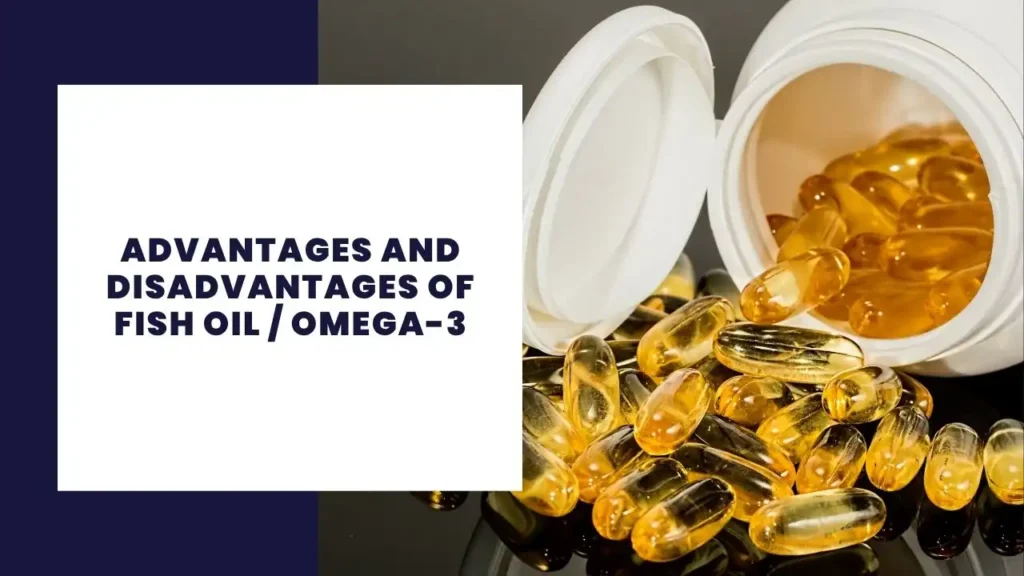
Weight loss supplements have become a popular tool for many individuals seeking to shed excess pounds and improve their overall health. With a wide variety of products available on the market, it’s essential to understand both the potential benefits and the risks associated with these supplements. While some users experience positive results, others encounter side effects or fail to see any significant change. This comprehensive overview aims to shed light on the key advantages and disadvantages of weight loss supplements, helping you make informed decisions about their use.
What Is Weight Loss Supplements
Weight loss supplements are products designed to support an individual’s efforts to reduce body weight. They come in various forms, including pills, powders, teas, and liquids, and often contain a mixture of ingredients such as herbs, vitamins, minerals, and other compounds believed to promote fat burning, suppress appetite, or boost metabolism. Although some supplements are backed by scientific research, others rely on anecdotal evidence or traditional use. It is important to recognize that these products are not magic solutions and should be used alongside a balanced diet and regular exercise for optimal results.
Advantages of Weight Loss Supplements
1. Potential Appetite Suppression
One significant advantage of many weight loss supplements is their ability to curb appetite. Ingredients like glucomannan, green tea extract, and caffeine can help reduce hunger sensations, making it easier to stick to calorie-controlled diets. By controlling hunger, users often find it simpler to maintain a calorie deficit, which is essential for weight loss.
2. Increased Metabolic Rate
Some supplements contain compounds that may boost the body’s metabolic rate. Ingredients such as caffeine and green tea extract are known to enhance thermogenesis—the process of heat production in the body—which can lead to increased calorie burning even when at rest. A higher metabolic rate can help accelerate weight loss efforts.
3. Enhanced Fat Burning
Certain supplements are formulated specifically to promote fat oxidation. For example, ingredients like conjugated linoleic acid (CLA) and forskolin are believed to help the body utilize stored fat as energy. When combined with proper diet and exercise, these supplements can potentially increase the proportion of fat burned during physical activity.
4. Convenience and Ease of Use
Weight loss supplements offer a convenient way to incorporate weight management strategies into a busy lifestyle. Whether taken as pills or powders, they do not require extensive preparation or planning, making them an accessible option for many individuals seeking quick support.
5. Support for Energy Levels
Many weight loss supplements contain stimulants like caffeine, which can boost energy and alertness. This increased energy can enhance workout performance, motivate physical activity, and reduce fatigue, all of which contribute positively to weight loss efforts.
6. Supplementing Nutritional Gaps
Some weight loss supplements include vitamins and minerals that may help fill nutritional gaps, especially when calorie intake is restricted. Ensuring adequate nutrient intake can support overall health during weight loss.
7. Psychological Motivation
The use of supplements can sometimes serve as a psychological boost, reinforcing a commitment to weight loss goals. The act of taking a supplement regularly can foster a sense of progress and motivation.
8. Potential Long-Term Benefits
Certain ingredients in weight loss supplements, such as green tea extract, have antioxidant properties and other health benefits that go beyond weight management, potentially contributing to overall well-being.
9. Customizable Options
With a wide array of supplements available, individuals can select products tailored to their specific needs—whether appetite suppression, fat burning, or energy enhancement—allowing for personalized approaches.
10. Support During Plateaus
Weight loss plateaus are common, where progress stalls despite efforts. Supplements may provide that extra push to overcome such hurdles by temporarily increasing metabolism or reducing appetite.
11. Reduced Cravings for Unhealthy Foods
Some formulations include ingredients that help stabilize blood sugar levels, reducing cravings for sugary or high-calorie foods, which can be a significant barrier to weight loss.
12. Potential for Faster Results
When used correctly, certain supplements can accelerate weight loss, allowing users to see results more quickly, which can boost motivation and adherence to weight management plans.
13. Complementary to Lifestyle Changes
Supplements can serve as an adjunct to diet and exercise, enhancing the overall effectiveness of a comprehensive weight loss strategy.
14. Accessibility and Availability
Most weight loss supplements are easily accessible online or in stores, making them a readily available option for those seeking quick support.
Disadvantages of Weight Loss Supplements
1. Limited Scientific Evidence
Many weight loss supplements lack robust scientific backing. Some ingredients are supported by limited or conflicting research, raising questions about their true effectiveness.
2. Risk of Side Effects
Supplements containing stimulants or unregulated ingredients can cause adverse effects such as increased heart rate, insomnia, anxiety, or gastrointestinal issues. The safety profile varies widely among different products.
3. Potential for Dependency
Some stimulatory ingredients like caffeine can lead to dependency or withdrawal symptoms if used excessively or over a long period, which may negatively impact overall health.
4. Not a Substitute for Healthy Lifestyle
Supplements are not a replacement for a balanced diet and regular physical activity. Relying solely on supplements without lifestyle changes is unlikely to produce sustainable weight loss.
5. Cost Implications
Regularly purchasing supplements can become expensive over time, especially if they do not produce the desired results, leading to financial strain.
6. Variable Quality and Regulation
The supplement industry is loosely regulated, meaning products can vary significantly in quality, potency, and purity. Contaminants or mislabeled ingredients pose health risks.
7. Short-Term Results
Many users experience only temporary benefits, with weight often returning once supplement use is discontinued. Long-term effectiveness remains questionable for many products.
8. Possible Interactions with Medications
Supplements can interact with prescription drugs or other medications, potentially causing harmful side effects or reducing medication efficacy.
9. False Promises and Marketing
Some products are marketed with exaggerated claims, promising rapid or effortless weight loss, which can mislead consumers and foster unrealistic expectations.
10. Psychological Dependence
Relying on supplements for weight loss can create a psychological dependence, undermining motivation to adopt sustainable healthy habits.
11. Allergic Reactions
Ingredients in supplements may trigger allergic reactions in sensitive individuals, leading to health complications.
12. Risk of Overuse
Misuse or overuse of supplements, especially stimulants, can lead to serious health issues such as heart problems or neurological effects.
13. Lack of Personalization
Most supplements are formulated for general use and may not suit individual health conditions or genetic factors, limiting their effectiveness or safety.
14. Environmental Concerns
The production and disposal of supplement packaging contribute to environmental waste, raising sustainability issues.
Comparison Table of the Pros and of Weight Loss Supplements
| Advantages | Disadvantages |
|---|---|
| Potential appetite suppression | Limited scientific evidence |
| Increased metabolic rate | Risk of side effects |
| Enhanced fat burning | Potential for dependency |
| Convenience and ease of use | Not a substitute for healthy lifestyle |
| Support for energy levels | Cost implications |
| Supplementing nutritional gaps | Variable quality and regulation |
| Psychological motivation | Short-term results |
| Potential long-term benefits | Possible interactions with medications |
| Customizable options | False promises and marketing |
| Support during plateaus | Psychological dependence |
| Reduced cravings for unhealthy foods | Allergic reactions |
| Potential for faster results | Risk of overuse |
| Complementary to lifestyle changes | Lack of personalization |
| Accessibility and availability | Environmental concerns |
The Future of Weight Loss Supplements
The landscape of weight loss supplements is poised for significant evolution. Advances in scientific research and technology are expected to lead to more targeted and personalized products that cater to individual genetic profiles and metabolic needs. Natural and plant-based ingredients will likely dominate, driven by consumer preferences for safer, organic options. Additionally, regulatory frameworks may become stricter, ensuring higher standards for safety and efficacy. The integration of digital health tools, such as apps and wearable devices, could also enhance the effectiveness of supplement regimens by providing personalized feedback and monitoring. Despite these promising developments, it remains essential for consumers to approach weight loss supplements with caution, prioritizing evidence-based options and consulting healthcare professionals before use.
FAQs About Weight Loss Supplements
1. Are weight loss supplements safe to use?
Safety varies depending on the product and its ingredients. Some supplements are generally safe when used as directed, but others may cause adverse effects or interact with medications. Always consult a healthcare provider before starting any supplement.
2. Do weight loss supplements work for everyone?
No, effectiveness depends on individual factors such as genetics, lifestyle, and adherence to diet and exercise. Not all users will experience the same results.
3. Can I rely solely on supplements to lose weight?
No. Supplements should complement a healthy diet and regular physical activity. Relying solely on them is unlikely to produce sustainable weight loss.
4. Are natural ingredients in supplements better?
Natural ingredients are often perceived as safer, but they can still cause side effects or allergic reactions. Effectiveness varies, and natural does not always mean risk-free.
5. How long does it take to see results from weight loss supplements?
Results can vary widely, from a few weeks to several months. Consistency, diet, exercise, and individual metabolism influence the timeline.
Conclusion of Advantages and Disadvantages of Weight Loss Supplements
Weight loss supplements offer a range of potential benefits, including appetite suppression, increased metabolism, and convenience. They can serve as helpful tools when integrated into a comprehensive weight management plan. However, their use also carries significant risks, such as side effects, variable efficacy, and financial costs.