Protein powder has become a staple supplement for athletes, fitness enthusiasts, and health-conscious individuals alike. Its popularity stems from its convenience and the vital role protein plays in muscle building, recovery, and overall health. However, like any supplement, protein powder comes with its share of benefits and drawbacks. Understanding these can help you make an informed decision about incorporating it into your diet.
What Is Protein Powder
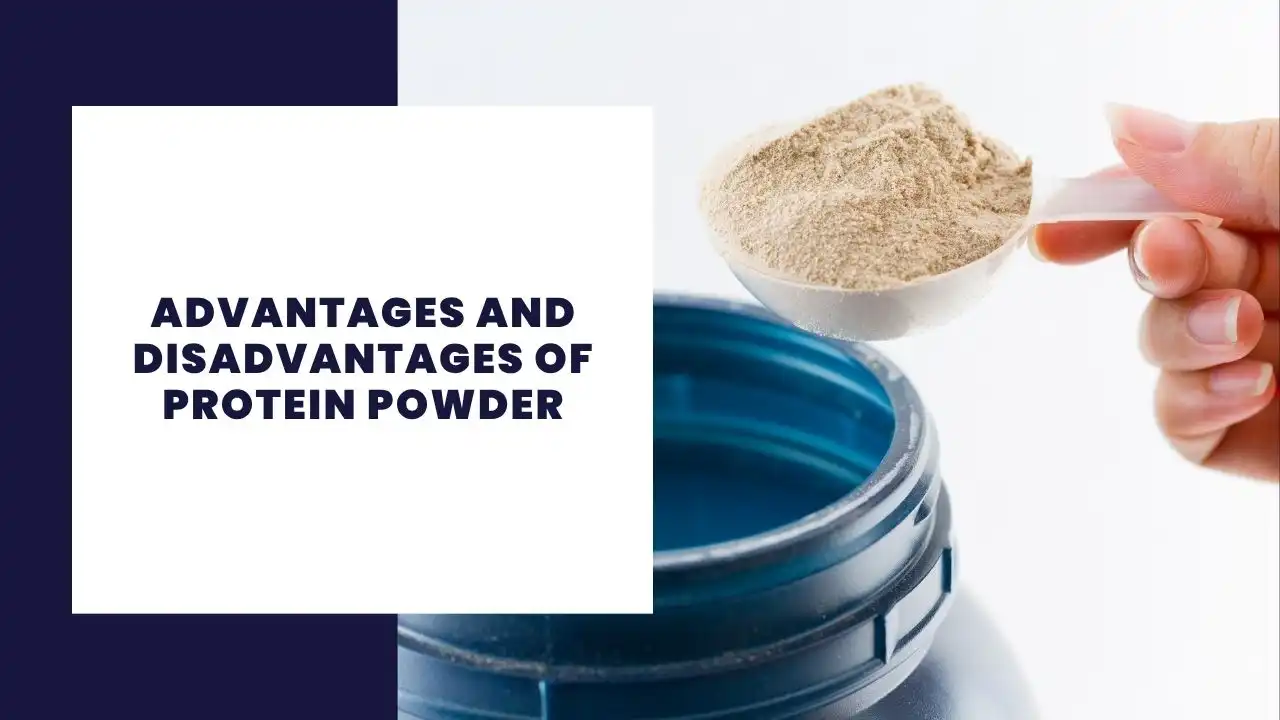
Protein powder is a dietary supplement made from concentrated sources of protein. It is typically derived from animal products such as whey, casein, or egg, or from plant-based sources like peas, rice, hemp, and soy. The primary purpose of protein powder is to supplement dietary protein intake, especially for those who struggle to meet their daily requirements through food alone.
It is usually available in powdered form and can be mixed with water, milk, or added to smoothies and recipes. Its convenience and portability make it an appealing option for busy individuals or those with increased protein needs due to physical activity or specific health conditions.
Advantages of Protein Powder
1. Supports Muscle Growth and Repair
One of the most significant benefits of protein powder is its ability to support muscle development. Consuming adequate protein is essential for muscle repair after workouts, helping to reduce soreness and promote recovery. Athletes and bodybuilders often use protein powder to meet their elevated protein needs, ensuring their muscles have the necessary nutrients to grow and strengthen.
The fast digestibility of certain types like whey protein makes it particularly effective post-exercise, providing the amino acids required for muscle synthesis quickly. Regular intake can lead to improved muscle mass over time, especially when combined with resistance training.
2. Convenient and Time-Saving
Preparing a protein-rich meal can be time-consuming, especially for individuals with busy schedules. Protein powder offers a quick and easy way to boost protein intake without the need for cooking or extensive meal preparation. Simply mixing a scoop of powder with water or milk provides a nutritious, high-protein drink in seconds.
This convenience makes it easier to stay consistent with dietary goals, particularly for those on the go or with limited cooking skills. It also helps ensure you don’t miss out on essential nutrients during hectic days.
3. Assists in Weight Management
Protein has been shown to promote satiety, making you feel fuller for longer periods. Incorporating protein powder into your diet can help curb hunger and reduce overall calorie intake, which is beneficial for weight management or fat loss goals.
Moreover, high-protein diets can help preserve lean muscle mass during calorie restriction. This means that while losing weight, your body maintains its muscle tissue, supporting a healthier body composition.
4. Supports Immune Function
Proteins are crucial for maintaining a healthy immune system. Many amino acids derived from dietary protein are involved in the production of antibodies and immune cells. Consuming enough protein through supplements like protein powder can bolster immune defenses, especially during periods of illness or stress.
Some protein powders are fortified with additional nutrients such as vitamins and minerals, further enhancing their role in supporting overall health and immune function.
5. Suitable for Various Dietary Needs
Protein powders come in a wide range of formulations catering to different dietary restrictions and preferences. Whether you’re vegan, lactose intolerant, or allergic to certain foods, there’s likely a plant-based or hypoallergenic option available. This flexibility allows a broader audience to incorporate high-quality protein into their diets without compromising their dietary principles.
6. Easy to Digest for Some People
Certain types of protein, like hydrolyzed whey, are processed to be easier on the digestive system. This can be beneficial for individuals with sensitive stomachs or digestive issues, allowing them to enjoy the benefits of supplementation without discomfort.
7. Enhances Recovery After Exercise
Consuming protein powder after physical activity can accelerate recovery by replenishing amino acids lost during exercise. This helps reduce muscle breakdown and encourages faster repair, enabling athletes to train more frequently and intensely.
8. Can Be Used as a Meal Replacement
When formulated appropriately, protein powders can serve as a convenient meal replacement, especially for those who need a quick, nutritious option. They provide essential nutrients and calories, making them suitable for busy mornings or when other food options are limited.
9. Cost-Effective Source of Protein
Compared to purchasing high-quality meat, fish, or dairy, protein powders often offer a more affordable way to increase protein intake. Bulk purchasing and long shelf life make them a budget-friendly option for many individuals.
10. Supports Aging and Muscle Preservation
As people age, muscle mass naturally declines, leading to frailty and decreased mobility. Adequate protein intake, supplemented with protein powder if necessary, can help preserve muscle mass and strength in older adults, promoting independence and overall quality of life.
11. Assists in Managing Certain Health Conditions
For individuals with conditions like sarcopenia, malnutrition, or recovering from illness, increasing protein intake is vital. Protein powders can be a practical way to meet increased nutritional demands during these times.
12. Versatile in Recipes
Beyond shakes, protein powders can be incorporated into a variety of recipes, including pancakes, muffins, oatmeal, and energy balls. This versatility allows for creative ways to boost daily protein intake without feeling monotonous.
13. Supports Vegetarian and Vegan Diets
Plant-based protein powders provide essential amino acids for those following vegetarian or vegan diets, helping to ensure they meet their daily protein needs without consuming animal products.
14. Provides a Controlled Protein Quantity
Using a measured scoop, individuals can precisely control their protein intake, which is particularly useful for athletes or those closely monitoring their macronutrients.
Disadvantages of Protein Powder
1. Potential for Overconsumption
While increasing protein intake can be beneficial, excessive consumption through supplements may strain the kidneys and liver over time, especially in individuals with pre-existing health issues. It’s important to consume protein in moderation and within recommended guidelines.
2. Risk of Contaminants and Additives
Some cheaper or poorly manufactured protein powders may contain contaminants, heavy metals, or unnecessary additives. These can pose health risks or cause allergic reactions. Always choosing reputable brands and checking third-party testing can mitigate this concern.
3. May Lead to Digestive Issues
Certain types of protein powders, especially those high in lactose or artificial sweeteners, can cause bloating, gas, or stomach discomfort in sensitive individuals. Hydrolyzed or plant-based options may be better tolerated for some.
4. Not a Complete Food Source
Protein powders lack the full spectrum of nutrients found in whole foods. Relying heavily on supplements can lead to nutritional imbalances if not complemented with a balanced diet rich in fruits, vegetables, whole grains, and healthy fats.
5. Potential Allergens
Many protein powders contain common allergens such as soy, dairy, or gluten. Individuals with allergies or sensitivities need to carefully select products that are free from these ingredients.
6. Environmental Impact
The production of certain protein powders, especially animal-based ones like whey, involves significant environmental resources. Plant-based options are generally more sustainable, but the overall environmental footprint varies depending on the source.
7. Cost of High-Quality Options
While some protein powders are affordable, premium or organic varieties can be expensive. For those on a tight budget, regular supplementation might become a financial burden.
8. Possible Unpleasant Taste and Texture
Some protein powders have a chalky or artificial flavor that may be unappealing. This can discourage consistent use, especially if not mixed well or flavored appropriately.
9. Risk of Unbalanced Macronutrient Intake
Over-relying on protein powders might lead to neglect of other macronutrients like carbohydrates and fats, which are also essential for overall health and energy.
10. Short Shelf Life and Storage Requirements
Protein powders can degrade or spoil if not stored properly, especially in humid or hot environments. This can limit their shelf life and effectiveness.
11. May Contribute to Excessive Calorie Intake
Adding large amounts of protein powder to smoothies or recipes can inadvertently increase calorie consumption, which might hinder weight management efforts if not monitored.
12. Potential for Misleading Marketing Claims
Some products may be marketed with exaggerated health claims or misleading labels. Consumers should research and choose reputable brands to avoid falling for false advertising.
13. Dependence on Supplements
Relying heavily on protein powders might lead some individuals to neglect whole foods and balanced diets, which are crucial for long-term health.
14. Ethical Concerns
Certain protein sources, especially animal-derived ones, raise ethical questions related to animal welfare and sustainability. Choosing plant-based options can address some of these concerns.
Comparison Table of the Pros and of Protein Powder
| Advantages | Disadvantages |
|---|---|
| Supports muscle growth and recovery | Potential for overconsumption and kidney strain |
| Convenient and time-saving | Risk of contaminants and additives |
| Aids in weight management | Can cause digestive issues in sensitive individuals |
| Bolsters immune function | Not a complete food source |
| Suitable for various dietary needs | Potential allergens like soy, dairy, gluten |
| Easy to digest for some | Environmental impact varies by source |
| Enhances post-exercise recovery | Cost of high-quality options |
| Can be used as a meal replacement | Unpleasant taste and texture for some |
| Cost-effective compared to whole foods | Short shelf life and storage issues |
| Supports aging and muscle preservation | Risk of unbalanced macronutrient intake |
| Assists in managing certain health conditions | Possible misleading marketing claims |
| Versatile in recipes | Dependence on supplements over whole foods |
| Supports vegetarian and vegan diets | Potential for excessive calorie intake |
| Provides controlled protein quantities | Ethical concerns depending on source |