Electronic signature (e-signature) software has revolutionized the way businesses and individuals handle contracts, agreements, and authorization processes. By enabling digital signing of documents, e-signature solutions offer convenience, efficiency, and security. However, like any technological advancement, they come with their own set of benefits and drawbacks. Understanding these can help users make informed decisions about adopting e-signature technology for their needs.
What is E-Signature Software
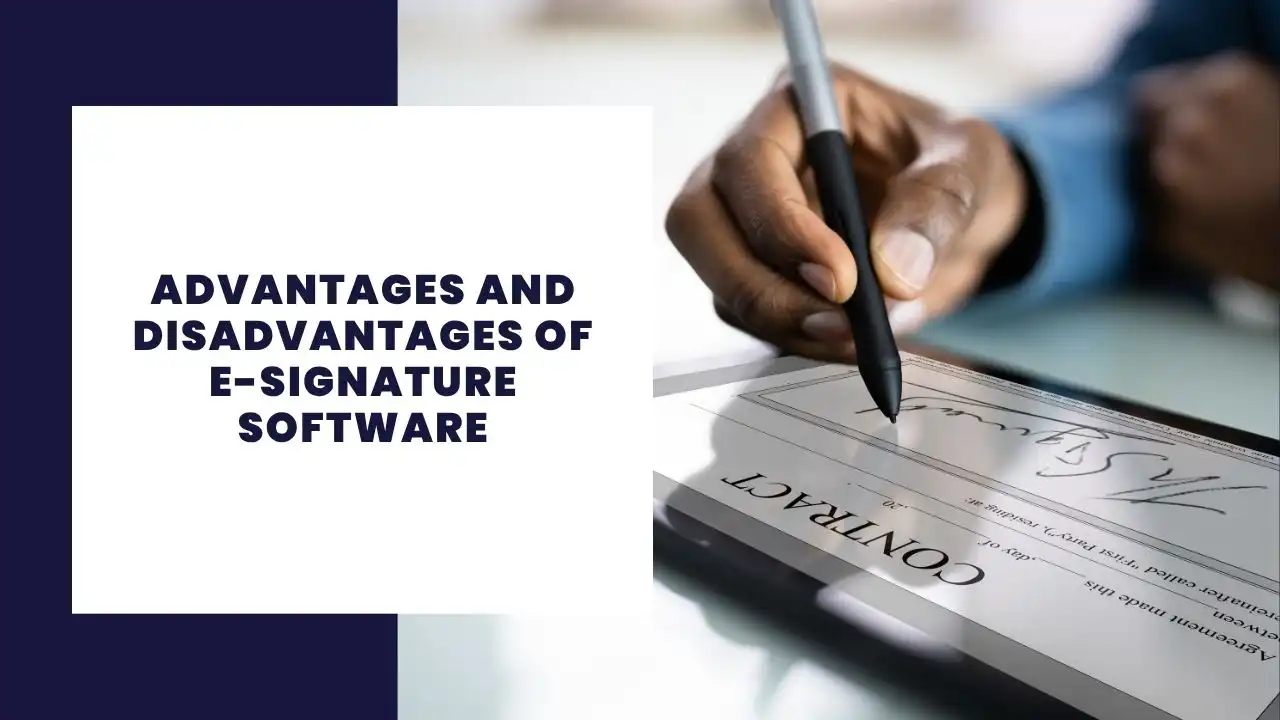
E-signature software refers to digital tools that allow users to sign documents electronically, replacing traditional handwritten signatures. These platforms facilitate the secure signing, sending, and management of digital documents, often integrating with other business systems. The core purpose is to streamline workflows, reduce paper usage, and ensure the authenticity of signatures through encryption and verification methods.
E-signature solutions are widely used across various sectors, including real estate, legal, finance, healthcare, and human resources. They comply with legal standards such as the ESIGN Act in the United States and eIDAS regulation in the European Union, ensuring that electronically signed documents hold the same legal weight as handwritten signatures.
Advantages of E-Signature Software
1. Enhanced Efficiency and Speed
One of the most significant benefits of e-signature software is the considerable reduction in processing time. Traditional signing processes often involve printing, scanning, mailing, or physically meeting to sign documents. E-signatures enable parties to sign documents from anywhere in the world instantly. This rapid turnaround accelerates business operations, contract negotiations, and approvals, saving valuable time and resources.
2. Cost Savings
Using e-signature solutions reduces expenses associated with printing, paper, postage, and physical storage. Companies can eliminate costs related to printing large volumes of documents and mailing physical copies. Additionally, the automation features of e-signature platforms minimize administrative overhead, further lowering operational costs.
3. Improved Security and Authentication
E-signature software employs encryption, secure servers, and authentication protocols to ensure the integrity and authenticity of signatures. Many platforms also offer multi-factor authentication, audit trails, and tamper-evident features that prevent unauthorized access and alterations. This level of security helps organizations comply with legal standards and reduces the risk of fraud.
4. Greater Convenience and Accessibility
Digital signatures can be completed on various devices, including desktops, tablets, and smartphones. This flexibility allows signatories to review and sign documents at their convenience, whether in the office, at home, or on the go. The cloud-based nature of most e-signature platforms ensures easy access to documents from anywhere with an internet connection.
5. Environmentally Friendly
Replacing paper-based processes with digital signatures significantly reduces paper consumption. This shift contributes to environmental sustainability by decreasing deforestation, waste, and energy used in printing and mailing. Organizations committed to eco-friendly practices find e-signatures an attractive option.
6. Better Document Management and Tracking
E-signature platforms often include features for tracking document status, sending reminders, and maintaining detailed audit trails. These capabilities improve transparency and accountability, making it easier to manage large volumes of agreements and ensure compliance with contractual deadlines.
7. Legal Validity and Compliance
Most e-signature solutions comply with international and regional legal standards, ensuring that electronically signed documents are legally binding. This legal recognition reduces the need for physical signatures and provides peace of mind for businesses engaging in digital transactions.
8. Integration with Business Tools
Many e-signature platforms integrate seamlessly with popular business applications such as CRM, ERP, and document management systems. This integration streamlines workflows and reduces manual data entry, enhancing overall operational efficiency.
9. Reduced Risk of Lost or Damaged Documents
Digital signatures eliminate concerns related to misplaced, lost, or damaged paper documents. Electronic storage ensures documents are safely archived, easily retrievable, and protected against physical deterioration.
10. Increased Customer Satisfaction
The convenience of signing documents electronically often results in higher customer satisfaction. Clients appreciate the ability to sign agreements quickly without the need for in-person meetings or mailing physical copies, leading to improved business relationships.
11. Scalability for Growing Businesses
E-signature solutions can easily scale to accommodate increasing transaction volumes. Whether a small startup or a multinational corporation, businesses can adopt e-signatures without significant infrastructure changes, supporting growth and expansion.
12. Automation of Routine Tasks
Many e-signature platforms offer automation features such as automatic reminders, template creation, and bulk sending. These tools reduce manual effort and streamline repetitive tasks, freeing up staff to focus on higher-value activities.
13. Enhanced Record-Keeping and Auditability
E-signature software maintains detailed logs of signing activities, including timestamps, IP addresses, and device information. This comprehensive record-keeping is invaluable for audits, dispute resolution, and ensuring compliance with legal requirements.
14. Competitive Advantage
Adopting e-signature technology demonstrates innovation and responsiveness to modern business practices. Companies leveraging digital signatures can attract tech-savvy clients and partners, gaining a competitive edge in their industry.
Disadvantages of E-Signature Software
1. Security Risks and Data Breaches
Despite robust security measures, e-signature platforms are not immune to hacking, phishing, or data breaches. Sensitive documents stored digitally can be targeted by cybercriminals, potentially compromising confidential information if security protocols are not properly maintained.
2. Legal and Regulatory Limitations
While most jurisdictions recognize electronic signatures, certain types of documents or sectors may have restrictions. For example, some legal documents require handwritten signatures or notarization, limiting the applicability of e-signatures in specific cases.
3. Technological Barriers for Users
Not all users are comfortable with digital tools or have reliable internet access. Older adults, individuals in remote areas, or those unfamiliar with technology may find e-signature platforms challenging to use, potentially delaying processes.
4. Dependence on Internet Connectivity
E-signature processes require a stable internet connection. In areas with poor connectivity or during network outages, completing signatures or accessing documents can be problematic, disrupting workflows.
5. Potential for Fraud and Unauthorized Signatures
Although security measures are in place, there remains a risk of impersonation or unauthorized signing if authentication protocols are weak. This can lead to legal disputes and undermine trust in the digital signing process.
6. Cost of Implementation and Subscription Fees
While e-signature solutions can save money long-term, initial setup costs, licensing fees, and subscription charges may be prohibitive for small businesses or startups with limited budgets. The expenses can add up depending on the platform’s features and user count.
7. Integration Challenges
Integrating e-signature software with existing enterprise systems can be complex and may require technical expertise. Compatibility issues or custom development may incur additional costs and delays.
8. Limited Offline Functionality
Most e-signature platforms are cloud-based and require internet access. Offline capabilities are often limited, which can hinder use in environments with restricted connectivity or during travel.
9. Potential Legal Disputes Over Signatures
While legally recognized, electronic signatures can sometimes be challenged in court, especially if authentication or audit trails are insufficient. Ensuring compliance and proper procedures is crucial to mitigate this risk.
10. Resistance to Change
Organizations accustomed to traditional paper-based processes may resist transitioning to digital signatures. Change management and staff training are necessary to facilitate adoption, which can be time-consuming.
11. Data Privacy Concerns
Storing sensitive documents digitally raises privacy issues. Companies must ensure compliance with data protection regulations like GDPR and implement strict access controls to prevent unauthorized viewing or sharing.
12. Limited Acceptance in Certain Industries
Some industries or regions still prefer or require physical signatures for legal or cultural reasons. E-signature adoption may be slow or limited in such contexts, reducing its overall utility.
13. Risk of Technical Failures
System outages, software bugs, or server issues can temporarily prevent access to documents or signing capabilities, potentially delaying critical transactions.
14. Learning Curve for Users
Getting accustomed to new digital platforms requires training and adaptation. Users unfamiliar with e-signature software may experience a learning curve, affecting productivity initially.
Comparison Table of the Pros and of E-Signature Software
| Advantages | Disadvantages |
|---|---|
| Accelerates document processing and approvals | Security risks and potential data breaches |
| Reduces operational and printing costs | Legal restrictions on certain document types |
| Ensures secure and authenticated signatures | User technological barriers |
| Provides convenience and remote access | Dependence on reliable internet connectivity |
| Supports environmental sustainability | Risk of fraud or unauthorized signatures |
| Facilitates better document management | Implementation and subscription costs |
| Ensures legal validity across jurisdictions | Limited offline functionality |
| Integrates with existing business tools | Resistance to change within organizations |
| Maintains detailed audit trails | Data privacy and compliance concerns |
| Offers scalability for growing businesses | Potential technical failures and system outages |
| Automates routine signing workflows | Learning curve for new users |
| Enhances customer satisfaction | Industry-specific acceptance limitations |
| Improves record-keeping and transparency | Challenges in integrating with legacy systems |
| Demonstrates innovation and competitiveness | Potential for disputes over signatures |
The Future of E-Signature Software
The landscape of e-signature technology is poised for significant growth and innovation. As digital transformation accelerates across industries, the demand for seamless, secure, and legally compliant signing solutions will increase. Advances in artificial intelligence and machine learning are expected to improve authentication methods, making signatures even more secure and user-friendly.
Integration with blockchain technology is also on the horizon, offering immutable records for enhanced trust and transparency. Additionally, regulatory frameworks are likely to evolve, further legitimizing electronic signatures and expanding their applicability in more sectors.