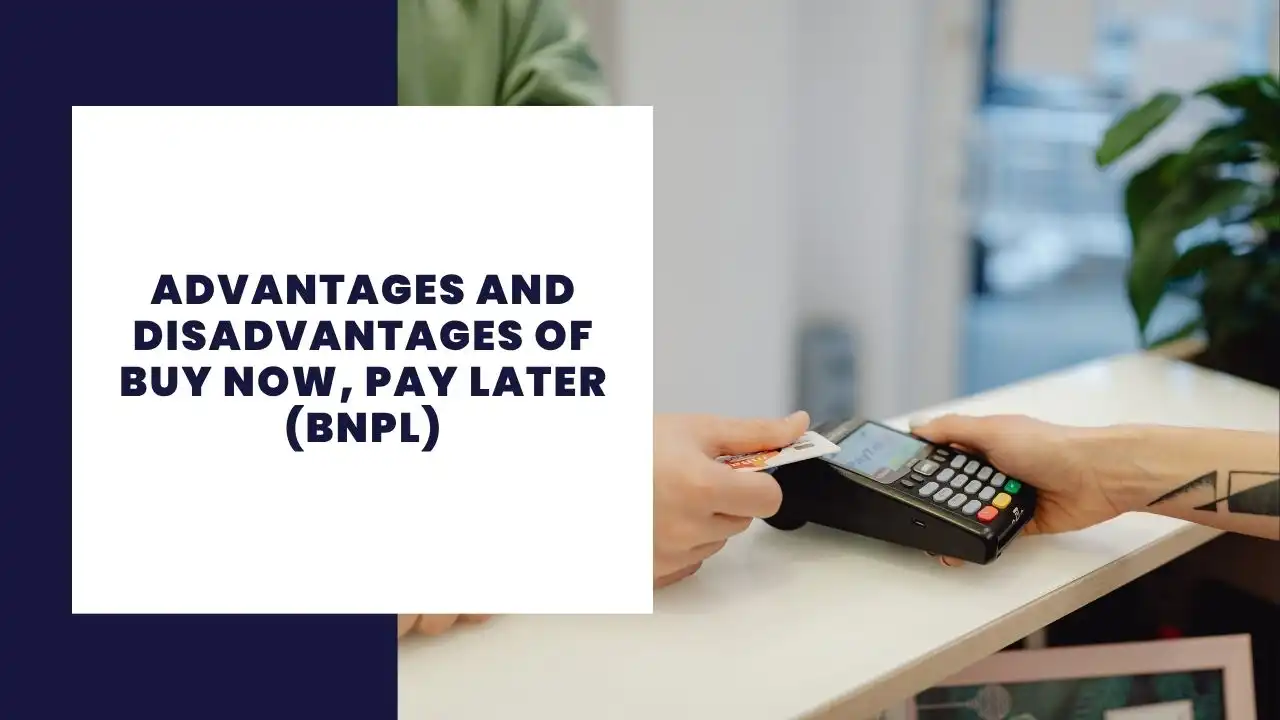
The rise of Buy Now, Pay Later (BNPL) services has transformed the way consumers approach purchasing decisions. This alternative payment method offers a flexible way to buy products immediately and pay for them over time, often without interest. While BNPL has gained immense popularity worldwide, it carries both benefits and drawbacks that consumers should carefully consider. Understanding these key advantages and disadvantages can help shoppers make informed choices and avoid potential pitfalls.
What is Buy Now, Pay Later (BNPL)
Buy Now, Pay Later (BNPL) is a payment option that allows consumers to make purchases and defer payments over a set period, typically through installments. Instead of paying the full amount upfront, buyers can split the cost into smaller, manageable payments, often without incurring interest if paid on time. BNPL services are commonly integrated into online and in-store checkout processes, making it easy for shoppers to select this option at the point of sale.
The BNPL model is provided by various fintech companies and traditional financial institutions partnering with merchants. Customers usually undergo a quick approval process without the need for a hard credit check, making BNPL accessible to a wide range of consumers. While it offers convenience and flexibility, it is important to understand how BNPL works, its advantages, and its potential risks.
Advantages of Buy Now, Pay Later (BNPL)
1. Increased Purchasing Power
BNPL allows consumers to spread out the cost of purchases, making higher-priced items more affordable. Instead of paying a lump sum upfront, buyers can manage their cash flow better by breaking payments into smaller chunks over weeks or months. This increased purchasing power enables customers to buy products they might otherwise delay or avoid.
2. Interest-Free Payment Options
Many BNPL providers offer interest-free installments when payments are made on schedule. This means consumers can defer payments without paying additional fees, unlike traditional credit cards where interest can accumulate quickly. This feature makes BNPL a more cost-effective alternative for short-term financing.
3. Convenience and Ease of Use
BNPL services are often seamlessly integrated into the checkout process, both online and in physical stores. The approval process is usually quick and requires minimal paperwork, allowing customers to make purchases instantly without complicated credit applications. This ease of use enhances the overall shopping experience.
4. No or Minimal Impact on Credit Score
Most BNPL providers perform soft credit checks that do not affect credit scores during the application process. This makes BNPL accessible to consumers with limited or poor credit history. Additionally, timely repayments may help build positive payment history, although this depends on the provider’s reporting practices.
5. Helps Budget Management
By spreading payments over time, BNPL enables consumers to budget more effectively. Instead of a single large payment, buyers can plan monthly expenses with predictable installments. This can reduce financial stress and help avoid overdrawing bank accounts.
6. Encourages Responsible Spending
Some BNPL platforms set spending limits based on users’ financial profiles, which can help prevent overspending. Unlike credit cards with high limits, BNPL encourages smaller purchases within manageable budgets.
7. Flexible Payment Schedules
BNPL services often offer a range of repayment schedules, from a few weeks to several months. This flexibility allows consumers to choose plans that best fit their financial situation and cash flow.
Disadvantages of Buy Now, Pay Later (BNPL)
1. Potential for Overspending
The ease and convenience of BNPL can encourage consumers to spend beyond their means. Since payments are deferred, buyers may accumulate multiple BNPL purchases simultaneously, leading to financial strain when payments are due.
2. Late Fees and Penalties
While many BNPL plans offer interest-free periods, missing a payment can result in late fees, penalties, or interest charges. These additional costs can quickly add up and negate the initial benefits of using BNPL services.
3. Negative Impact on Credit Score
Although initial BNPL approvals may not impact credit scores, defaults or missed payments can be reported to credit bureaus. This can damage credit ratings and make it more difficult to obtain credit in the future.
4. Limited Consumer Protections
BNPL services may not offer the same consumer protections as credit cards, such as dispute resolution or fraud protection. This can expose consumers to greater risk if there are issues with the purchase or merchant.
5. Encourages Debt Accumulation
Because BNPL spreads payments over time, consumers may underestimate their total financial obligations. This can lead to accumulating debt across multiple BNPL plans, which can become difficult to manage and repay.
6. Impact on Future Borrowing
High usage of BNPL can affect a consumer’s debt-to-income ratio, potentially limiting their ability to qualify for other loans or mortgages. Lenders may view extensive BNPL usage as a sign of financial overextension.
7. Lack of Transparency
Some BNPL providers may not clearly disclose all fees, terms, and conditions upfront. This lack of transparency can lead to confusion and unexpected costs for consumers.
Comparison Table of the Pros and Cons of Buy Now, Pay Later (BNPL)
| Advantages | Disadvantages |
|---|---|
| Increases purchasing power | Potential for overspending |
| Interest-free payment options | Late fees and penalties |
| Convenient and easy to use | Negative impact on credit score |
| Minimal impact on credit score | Limited consumer protections |
| Helps with budgeting | Encourages debt accumulation |
| Encourages responsible spending | Impact on future borrowing |
| Flexible payment schedules | Lack of transparency |
The Future of Buy Now, Pay Later (BNPL)
The BNPL market is expected to continue growing as consumer demand for flexible payment solutions rises. Innovations in technology and increased partnerships between BNPL providers and merchants will likely expand the availability and variety of BNPL options.
However, regulatory scrutiny is also increasing globally, with governments seeking to ensure consumer protection and prevent debt accumulation. Future BNPL services may come with stricter rules regarding disclosures, fees, and credit assessments.
Additionally, integration with broader financial ecosystems, such as digital wallets and banking apps, is anticipated. This could lead to more personalized and seamless payment experiences, but also requires consumers to stay vigilant about managing their finances responsibly.
FAQs About Buy Now, Pay Later (BNPL)
1. Is Buy Now, Pay Later a form of credit?
Yes, BNPL is a type of short-term credit that allows consumers to defer payments. However, it usually differs from traditional credit cards in terms of interest rates and repayment schedules.
2. Will using BNPL affect my credit score?
Most BNPL providers perform soft credit checks that don’t impact your credit score initially. However, missed payments or defaults can be reported and negatively affect your credit.
3. Are BNPL services safe to use?
Generally, BNPL services are safe when used responsibly. Consumers should read terms carefully and avoid overextending their finances to prevent debt issues.
4. Can I use BNPL for all types of purchases?
BNPL availability depends on the merchant and the provider. It is commonly offered for retail goods, travel bookings, and some services but not universally accepted everywhere.
5. What happens if I miss a BNPL payment?
Missing a payment can lead to late fees, penalties, and potential interest charges. It may also harm your credit score if reported to credit bureaus.
Conclusion of Advantages and Disadvantages of Buy Now, Pay Later (BNPL)
Buy Now, Pay Later services offer a compelling alternative to traditional credit by providing flexible, interest-free payment options that enhance purchasing power and budgeting. The convenience and ease of use make BNPL an attractive choice for many consumers looking to spread out the cost of their purchases.
However, the potential drawbacks cannot be overlooked. The risk of overspending, accumulating debt, and facing penalties for missed payments highlight the importance of responsible use. Consumers need to be aware of the terms and conditions and carefully manage their BNPL commitments to avoid financial difficulties.
Ultimately, BNPL can be a useful financial tool when used wisely, but understanding both its advantages and disadvantages is crucial to making informed decisions that protect long-term financial health.