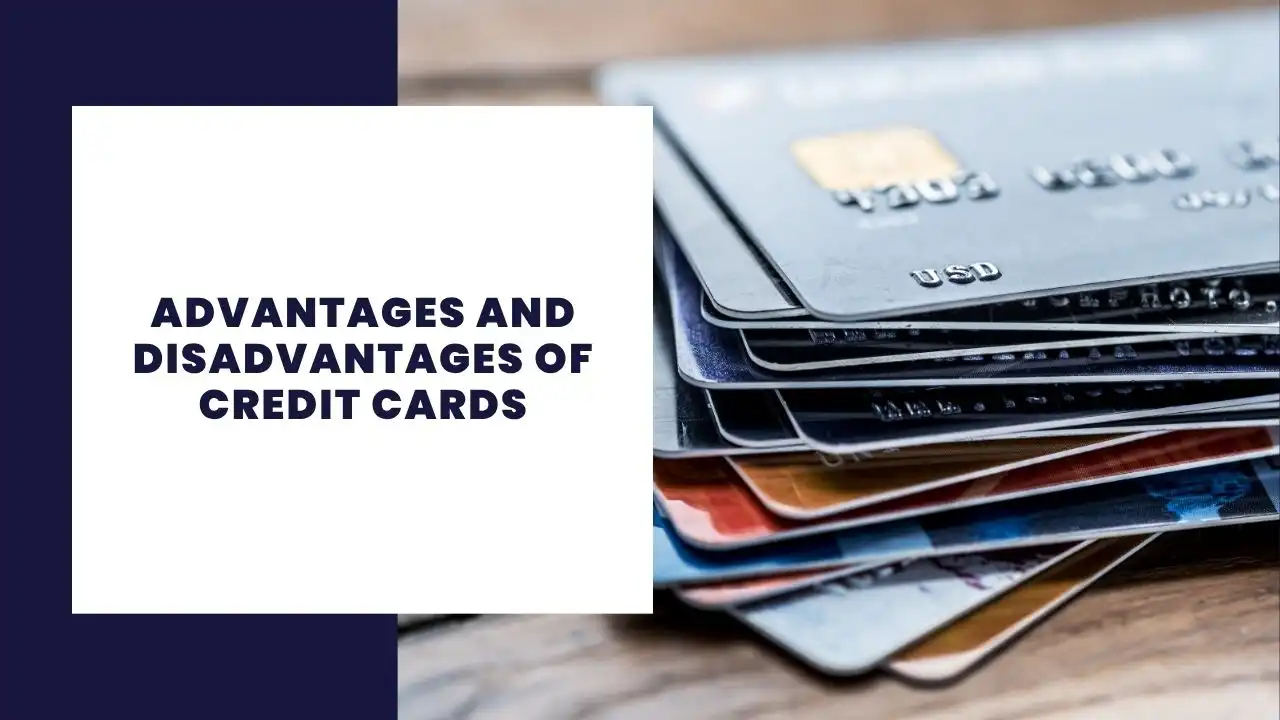
Credit cards have become an integral part of modern financial life, shaping how individuals manage their money and make purchases. They offer convenience, security, and various benefits but also come with potential pitfalls if not used responsibly. Understanding both the advantages and disadvantages of credit cards can help users make informed decisions and maximize their financial wellbeing.
What is a Credit Card?
A credit card is a payment card issued by financial institutions that allows cardholders to borrow funds up to a predetermined limit to make purchases or withdraw cash. Unlike debit cards, which draw money directly from a checking account, credit cards provide a revolving line of credit. Users must repay the borrowed amount, either in full or over time with interest. Credit cards often include features such as rewards programs, fraud protection, and credit-building opportunities.
Advantages of Credit Cards
1. Convenience and Ease of Use
Credit cards provide a hassle-free way to make purchases without carrying cash. They are widely accepted across retailers, restaurants, and online platforms, enabling quick transactions. This convenience extends to travel, where credit cards can be used for booking flights, hotels, and car rentals.
2. Building Credit History
Using a credit card responsibly helps build and improve your credit score. Timely payments and maintaining a low credit utilization ratio demonstrate financial discipline to lenders, making it easier to qualify for loans or mortgages in the future.
3. Rewards and Cashback Programs
Many credit cards offer rewards such as points, miles, or cashback on purchases. These incentives can translate into significant savings or perks like free travel, gift cards, or discounts, making everyday spending more rewarding.
4. Fraud Protection
Credit cards come with robust fraud protection measures. If unauthorized charges occur, most issuers limit cardholder liability and often provide zero-liability policies. This security feature offers peace of mind compared to carrying cash, which cannot be recovered if lost or stolen.
5. Emergency Access to Funds
Credit cards provide a financial safety net during emergencies when immediate cash might not be available. Whether it’s an unexpected medical bill or urgent travel expense, credit cards offer quick access to necessary funds.
6. Purchase Protection and Extended Warranties
Many credit cards include purchase protection benefits that cover theft, damage, or loss of items bought with the card. Additionally, some cards extend manufacturer warranties, adding extra layers of consumer protection.
7. Expense Tracking and Budgeting Tools
Credit card statements provide detailed records of spending, helping users track expenses and manage budgets more effectively. Many issuers also offer online tools and apps for monitoring transactions and categorizing expenses.
Disadvantages of Credit Cards
1. High-Interest Rates
One of the biggest drawbacks of credit cards is their high-interest rates, especially when balances are carried over month to month. Interest charges can quickly accumulate, making debt difficult to pay off and potentially leading to financial strain.
2. Risk of Overspending
The ease of using credit cards can encourage overspending beyond one’s means. Since payments are deferred, it’s easy to lose track of how much is being spent, resulting in mounting debt and financial stress.
3. Potential Negative Impact on Credit Score
Missing payments or maxing out credit limits can negatively affect credit scores. Poor credit management may lead to higher interest rates on future loans or even difficulty obtaining new credit.
4. Fees and Charges
Credit cards often come with various fees, including annual fees, late payment fees, balance transfer fees, and foreign transaction fees. These additional costs can diminish the overall benefits of using credit cards if not carefully managed.
5. Complex Terms and Conditions
Credit card agreements can be complicated, with varying interest rates, penalty charges, and reward program rules. This complexity may confuse users, leading to unexpected fees or missed opportunities to maximize benefits.
6. Debt Cycle and Financial Stress
Carrying credit card debt over time can create a cycle of borrowing and repayment that is hard to break. This cycle may cause ongoing financial stress and limit the ability to save or invest in other areas.
7. Security Risks
While credit cards offer fraud protection, they are also targets for cybercriminals. Data breaches and phishing scams can compromise card information, requiring vigilance and prompt action to prevent misuse.
Comparison Table of the Pros and Cons of Credit Cards
| Aspect | Advantages | Disadvantages |
|---|---|---|
| Convenience | Easy to use and widely accepted | Can encourage overspending |
| Credit Building | Helps improve credit score with responsible use | Missed payments hurt credit |
| Rewards | Cashback, points, and travel perks | Rewards programs can be complex |
| Fraud Protection | Zero liability for unauthorized charges | Vulnerable to cybercrime and data breaches |
| Emergency Funds | Quick access to money during emergencies | High-interest rates if balance is not paid |
| Purchase Protection | Covers theft, damage, and extends warranties | Fees such as annual and late payment fees |
| Expense Management | Detailed statements aid budgeting | Terms and conditions can be confusing |
The Future of Credit Cards
The future of credit cards is evolving rapidly with advancements in technology and changing consumer preferences. Digital wallets and contactless payments are becoming the norm, making transactions faster and more secure. Biometric authentication, such as fingerprint or facial recognition, is expected to enhance card security further. Additionally, the integration of artificial intelligence is likely to offer personalized financial management tools and fraud detection systems.
Sustainability is also influencing credit card design, with more eco-friendly cards made from recycled materials gaining popularity. Furthermore, the rise of “buy now, pay later” services presents both a challenge and an opportunity for traditional credit card providers to innovate and adapt.
FAQs About Credit Cards
1. How can I avoid paying interest on my credit card?
Pay your full balance by the due date each month to avoid interest charges. Only carrying a balance results in interest accumulation.
2. Are credit cards safe to use for online shopping?
Yes, credit cards offer fraud protection, making them generally safe for online purchases, especially when used on secure websites.
3. What is a credit utilization ratio?
It’s the percentage of your available credit that you are currently using. Keeping this ratio below 30% is recommended to maintain a good credit score.
4. Can I use a credit card abroad?
Most credit cards can be used internationally, but be aware of foreign transaction fees and notify your issuer before traveling.
5. What happens if I miss a credit card payment?
Missing a payment can result in late fees, increased interest rates, and damage to your credit score. It’s important to make at least the minimum payment on time.
Conclusion of Advantages and Disadvantages of Credit Cards
Credit cards offer numerous benefits, including convenience, credit building, rewards, and security features. They serve as powerful financial tools when used responsibly. However, they also carry risks such as high-interest rates, potential for overspending, fees, and the possibility of damaging one’s credit score if mismanaged. Understanding these advantages and disadvantages is crucial for anyone looking to incorporate credit cards into their financial strategy effectively. By balancing responsible usage with awareness of potential pitfalls, credit cards can enhance financial flexibility and provide valuable benefits.