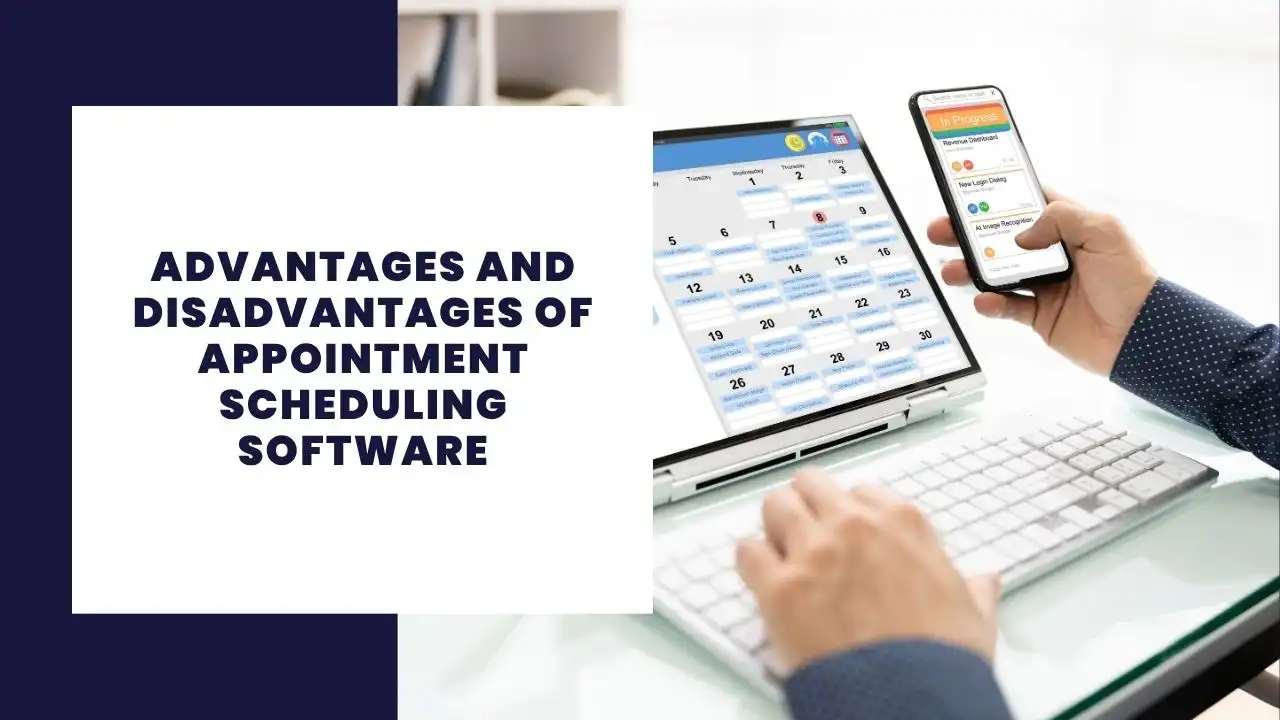
Appointment scheduling software has become an essential tool for businesses and service providers worldwide. From healthcare clinics to beauty salons, and corporate offices to freelance professionals, managing appointments efficiently can significantly improve customer satisfaction and operational productivity. However, like any technology, appointment scheduling software comes with its own set of advantages and disadvantages that need to be carefully considered before adoption.
What is Appointment Scheduling Software?
Appointment scheduling software is a digital tool designed to automate and streamline the process of booking, managing, and tracking appointments. It allows customers or clients to view available time slots, select preferred dates, and book appointments without the need for direct human interaction. Behind the scenes, the software manages calendars, sends reminders, handles cancellations or rescheduling, and often integrates with other business systems such as payment gateways, customer relationship management (CRM), and email marketing platforms.
This software can be cloud-based or installed locally and is typically accessible via web browsers, mobile apps, or both. Its primary goal is to reduce administrative workload, minimize scheduling errors, and enhance the overall customer experience.
Advantages of Appointment Scheduling Software
1. Increased Efficiency and Time Savings
One of the most significant benefits of appointment scheduling software is the automation of booking processes. This reduces the time staff spend answering phone calls or emails to arrange appointments. Clients can book directly, freeing up valuable employee time for other tasks. Automating reminders and follow-ups also reduces no-shows and last-minute cancellations, which improves overall productivity.
2. 24/7 Accessibility for Clients
Unlike traditional scheduling methods, appointment scheduling software allows customers to book appointments anytime, day or night. This convenience caters to clients with busy schedules who may not be able to call during business hours. It can also attract new clients who prefer the ease of online booking over phone calls or in-person visits.
3. Enhanced Customer Experience
Providing an intuitive and user-friendly booking interface enhances customer satisfaction. Clients appreciate the ability to see real-time availability, choose preferred time slots, and receive instant confirmation. Automated reminders via email or SMS reduce the chances of missed appointments, further improving the client relationship.
4. Improved Accuracy and Reduced Human Error
Manual scheduling is prone to errors such as double bookings or forgotten appointments. Appointment scheduling software synchronizes calendars in real-time and updates instantly when bookings are made or changed. This reduces the risk of human error and ensures that schedules are always accurate.
5. Centralized Management of Appointments
For businesses with multiple locations or service providers, appointment scheduling software offers centralized management. Managers and staff can view, edit, and manage appointments across different venues or teams from a single platform, making coordination easier and more transparent.
6. Integration with Other Business Tools
Modern scheduling software often integrates seamlessly with CRM systems, payment processors, email marketing tools, and calendar apps like Google Calendar or Outlook. This integration streamlines workflows, enabling businesses to manage appointments alongside customer data, payments, and communications.
7. Data Collection and Reporting
Appointment scheduling software can collect valuable data on customer behavior, booking patterns, and peak times. Businesses can generate reports to analyze trends, optimize staffing, and improve service delivery. This data-driven approach supports better decision-making and strategic planning.
Disadvantages of Appointment Scheduling Software
1. Initial Setup and Learning Curve
Implementing appointment scheduling software requires an initial investment of time and resources. Businesses need to configure the software, customize settings, and train staff to use it effectively. For some organizations, especially small businesses or those less tech-savvy, this learning curve can be a hurdle.
2. Dependence on Internet Connectivity
Most appointment scheduling solutions rely on internet access to function. In areas with unstable or limited connectivity, this dependence can disrupt the booking process and create frustration for both staff and clients. Offline access is often limited or unavailable.
3. Costs Can Add Up
While many appointment scheduling tools offer free or low-cost plans, advanced features and integrations typically come at a price. Subscription fees, transaction charges, or costs for additional users can increase operational expenses, which might be a concern for small businesses on tight budgets.
4. Risk of Over-Automation
Relying heavily on automation can sometimes make the customer experience feel impersonal. Some clients prefer speaking directly to a representative, especially for complex or sensitive appointments. Automated systems may also struggle to handle exceptions or unique scheduling requests without human intervention.
5. Security and Privacy Concerns
Handling sensitive client information through online platforms raises concerns about data security and privacy. Appointment scheduling software providers must comply with regulations such as GDPR or HIPAA, depending on the industry and region. Businesses need to ensure that their chosen software has robust security measures to protect customer data.
6. Integration Challenges
While integration is a key advantage, it can also pose difficulties. Not all software solutions are compatible with existing business tools, and improper integration can lead to data synchronization issues or workflow disruptions. Technical support and customization may be necessary, adding complexity.
7. Limited Customization Options
Some scheduling software solutions offer limited customization in terms of branding, workflows, or appointment types. This can restrict businesses that require highly tailored scheduling processes or want to maintain a consistent brand presence throughout the booking journey.
Comparison Table of the Pros and Cons of Appointment Scheduling Software
| Advantages | Disadvantages |
|---|---|
| Automates booking and saves time | Initial setup and training needed |
| Available 24/7 for customer access | Internet dependency |
| Enhances customer experience | Subscription and usage costs |
| Reduces human error | Potentially impersonal experience |
| Centralized appointment management | Security and privacy concerns |
| Integrates with other business tools | Integration and compatibility issues |
| Provides valuable data insights | Limited customization |
The Future of Appointment Scheduling Software
The future of appointment scheduling software is poised for exciting advancements driven by artificial intelligence (AI), machine learning, and enhanced user experience design. AI-powered chatbots and virtual assistants are becoming more common, offering personalized booking experiences and handling complex scheduling queries without human intervention.
Moreover, predictive analytics will allow businesses to forecast demand more accurately, optimize resource allocation, and reduce wait times. Integration with voice-activated assistants like Alexa or Google Assistant will further simplify the booking process.
Mobile-first design and cross-platform accessibility will continue to improve, ensuring customers can book appointments effortlessly from any device. Enhanced security protocols and compliance frameworks will address growing concerns around data privacy and protection.
As remote work and telehealth services expand, appointment scheduling software will evolve to manage virtual appointments alongside traditional in-person bookings, offering hybrid solutions that cater to diverse customer needs.
FAQs About Appointment Scheduling Software
1. Is appointment scheduling software suitable for all types of businesses?
While it is highly beneficial for many industries, some businesses with highly specialized or irregular appointment needs may find standard software less effective without customization.
2. Can appointment scheduling software prevent no-shows?
It helps reduce no-shows by sending automated reminders and enabling easy rescheduling. However, it cannot eliminate them entirely.
3. How secure is the data stored in appointment scheduling software?
Security depends on the provider’s measures, including encryption, compliance with privacy laws, and regular updates. It’s important to choose a reputable vendor with strong security protocols.
4. Can clients cancel or reschedule appointments themselves?
Most modern scheduling software allows clients to modify their appointments online, reducing administrative burden and improving the user experience.
5. Is it possible to integrate appointment scheduling software with existing calendars?
Yes, many solutions offer integration with popular calendar apps like Google Calendar, Outlook, and iCal, allowing synchronization across platforms.
Conclusion of Advantages and Disadvantages of Appointment Scheduling Software
Appointment scheduling software offers undeniable benefits in terms of efficiency, customer convenience, and operational management. By automating routine tasks and providing 24/7 access, it enables businesses to focus on delivering quality services while minimizing scheduling errors and administrative overhead.
However, the adoption of this technology also requires careful consideration of potential drawbacks such as setup complexity, costs, and possible impersonal customer interactions. Security and integration challenges must also be addressed to ensure smooth and safe operations.
Ultimately, the decision to implement appointment scheduling software should balance these advantages and disadvantages in the context of your specific business needs. With thoughtful selection and proper use, this software can become a powerful tool for enhancing both client satisfaction and organizational productivity.