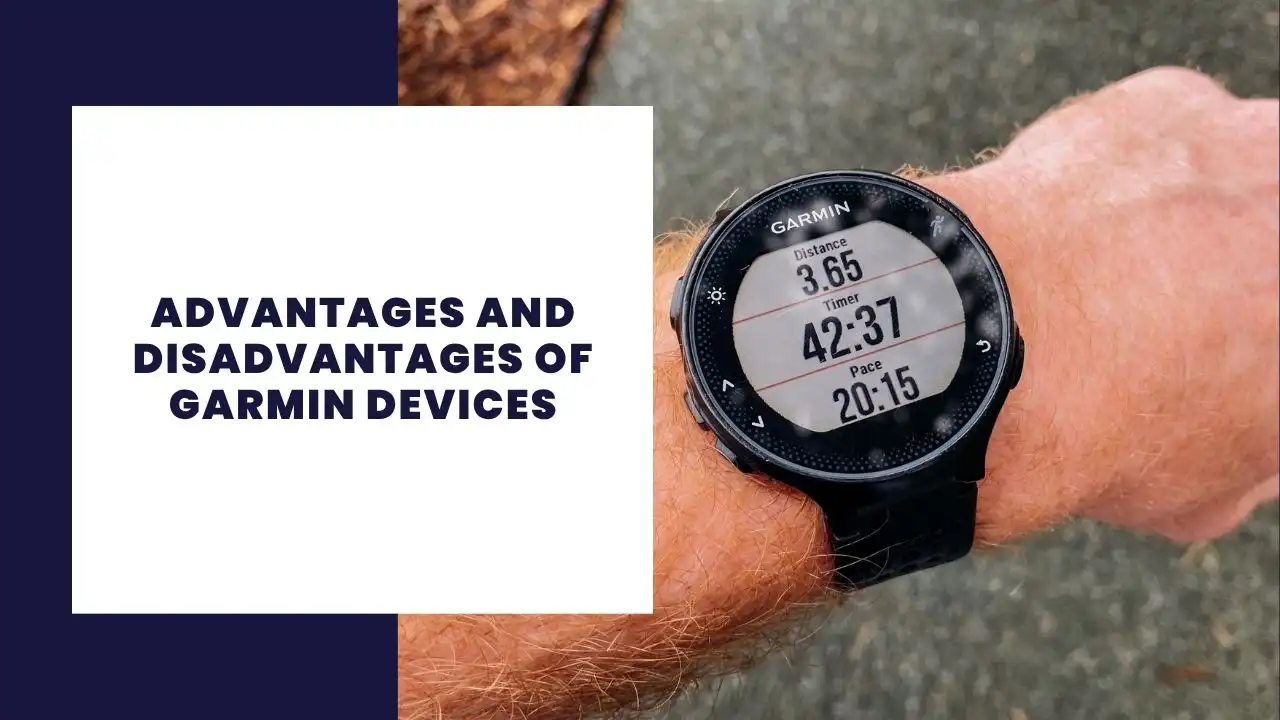
Garmin has established itself as a leading name in GPS technology and wearable devices, catering to a wide range of users from outdoor adventurers to fitness enthusiasts and everyday commuters. With its reputation for reliability and innovation, Garmin products have become a staple for many seeking navigation, tracking, and smart functionalities. However, like any technology brand, Garmin has its strengths and weaknesses. Understanding these can help potential users make informed decisions about whether Garmin devices align with their needs and expectations.
What is Garmin?
Garmin is a multinational technology company known primarily for its GPS navigation and wearable technology. Founded in 1989, Garmin initially focused on marine and aviation GPS systems but has since expanded into automotive, outdoor, fitness, and smartwatch markets. The brand offers a variety of products, including GPS devices for cars, handheld GPS units for hiking and outdoor activities, fitness trackers, and smartwatches equipped with health monitoring features.
Garmin’s devices are celebrated for their accuracy, durability, and versatility. They are designed to serve different types of users, from professional athletes and pilots to casual hikers and cyclists. The brand continuously integrates new technologies such as heart rate monitoring, advanced mapping, and smart notifications to enhance user experience.
Advantages of Garmin
1. Accurate and Reliable GPS Technology
Garmin is renowned for its precise GPS tracking capabilities. Whether you are navigating city streets, hiking in remote wilderness areas, or flying an aircraft, Garmin devices provide dependable location data. This accuracy is critical for safety and efficiency in navigation and outdoor activities.
2. Wide Range of Products for Different Needs
Garmin offers an extensive product lineup, catering to various user groups. From basic GPS navigation units to advanced smartwatches with health tracking, there is a Garmin product suitable for almost every lifestyle and professional requirement.
3. Robust Build Quality
Many Garmin devices are designed for rugged use. They often feature water resistance, shockproof casings, and durable materials that can withstand harsh environments. This makes them ideal for outdoor enthusiasts who require gear that can endure tough conditions.
4. Long Battery Life
Garmin devices generally have impressive battery longevity. Some models can last days or even weeks on a single charge, particularly those optimized for outdoor use without frequent screen interaction. This extended battery life is a significant advantage for users on long trips or in remote areas without easy access to charging.
5. Advanced Health and Fitness Tracking Features
Garmin smartwatches and fitness trackers come equipped with a variety of sensors to monitor heart rate, sleep, stress levels, oxygen saturation, and more. These features help users maintain and improve their health by providing detailed insights into their physical condition.
6. Comprehensive Mapping and Navigation Tools
Garmin devices include detailed topographic maps, turn-by-turn directions, and route planning tools. This comprehensive mapping capability is beneficial for hikers, bikers, drivers, and pilots who rely on accurate and detailed navigational information.
7. Strong Community and Support Ecosystem
Garmin supports its users through software updates, mobile apps, and an active online community. The Garmin Connect platform allows users to track their activities, share data, and engage with other users, enhancing the overall experience.
Disadvantages of Garmin
1. Higher Price Point
Compared to some competitors, Garmin products tend to be priced at a premium. The advanced features and durable build contribute to higher costs, which may not fit every budget, especially for casual users.
2. Complexity for New Users
While Garmin devices offer many features, this complexity can be overwhelming for beginners. The user interface and setup process might require a learning curve, particularly for those unfamiliar with GPS technology or smart devices.
3. Limited Smartphone Integration Compared to Competitors
Although Garmin smartwatches and fitness trackers offer smartphone notifications, their integration is sometimes less seamless than that of other brands like Apple or Samsung. Some users find the app ecosystem and notification handling less intuitive.
4. Bulkier Designs on Some Models
Certain Garmin devices, especially those designed for outdoor and tactical use, tend to be bulkier and heavier than competing products. This can be a drawback for users seeking lightweight and minimalist wearables.
5. Occasional Software Bugs and Updates Issues
Like many tech companies, Garmin has experienced periods where software updates introduced bugs or performance issues. While these are typically resolved quickly, they can cause temporary inconvenience or frustration.
6. Limited Music and App Support on Some Devices
While newer Garmin smartwatches support music storage and playback, the range of compatible apps is more restricted compared to platforms like Apple WatchOS or Wear OS. This limitation may reduce appeal for users looking for a more versatile smartwatch experience.
7. Dependence on Proprietary Accessories and Chargers
Garmin often uses proprietary charging cables and accessories, which can be inconvenient if lost or damaged. Users need to purchase replacements directly from Garmin or authorized dealers, sometimes at higher costs.
Comparison Table of the Pros and Cons of Garmin
| Advantages | Disadvantages |
|---|---|
| Accurate and reliable GPS tracking | Higher price point |
| Wide range of products | Complexity for new users |
| Robust build quality | Limited smartphone integration |
| Long battery life | Bulkier designs on some models |
| Advanced health and fitness tracking | Occasional software bugs |
| Comprehensive mapping and navigation | Limited music and app support |
| Strong community and support ecosystem | Dependence on proprietary accessories |
The Future of Garmin
Garmin continues to innovate by expanding its product range and integrating new technologies. The future likely holds more advanced health monitoring features, deeper AI integration for personalized coaching, and improved connectivity with other smart devices. Garmin is also expected to enhance its mapping capabilities with real-time data and augmented reality navigation.
Sustainability and eco-friendly designs are becoming important trends, and Garmin may adopt more environmentally conscious manufacturing processes and materials. As wearable technology evolves, Garmin’s challenge will be to maintain its core strengths in accuracy and durability while adapting to the increasing demand for multifunctionality and seamless user experiences.
FAQs About Garmin
1. Are Garmin devices compatible with both Android and iOS?
Yes, most Garmin devices are compatible with both Android and iOS smartphones through the Garmin Connect app, although some features may vary slightly depending on the platform.
2. Can Garmin devices be used for swimming and other water sports?
Many Garmin models are water-resistant and suitable for swimming. They offer swim tracking features including stroke count, distance, and pace.
3. How often does Garmin release software updates?
Garmin regularly releases firmware and app updates to improve functionality, fix bugs, and add new features. Updates are typically available every few months.
4. Do Garmin watches support third-party apps?
Garmin supports a selection of third-party apps through its Connect IQ store, but the variety and functionality are more limited compared to platforms like Apple Watch or Wear OS.
5. Can Garmin devices track sleep accurately?
Garmin devices provide detailed sleep tracking, including stages of sleep such as light, deep, and REM, offering insights to help users improve sleep quality.
Conclusion of Advantages and Disadvantages of Garmin
Garmin stands out as a reliable and versatile brand in the GPS and wearable technology market. Its strengths lie in accurate navigation, robust construction, and comprehensive health and fitness tracking features. These advantages make Garmin devices highly suitable for outdoor enthusiasts, athletes, and professionals who prioritize precision and durability.
On the other hand, Garmin’s premium pricing, occasional complexity, and limited app ecosystem may deter some users, especially those seeking a more straightforward or budget-friendly option. Despite these drawbacks, Garmin continues to evolve and adapt, maintaining its position as a trusted name in navigation and wearable tech. For those who value accuracy, ruggedness, and advanced fitness features, Garmin remains a compelling choice.