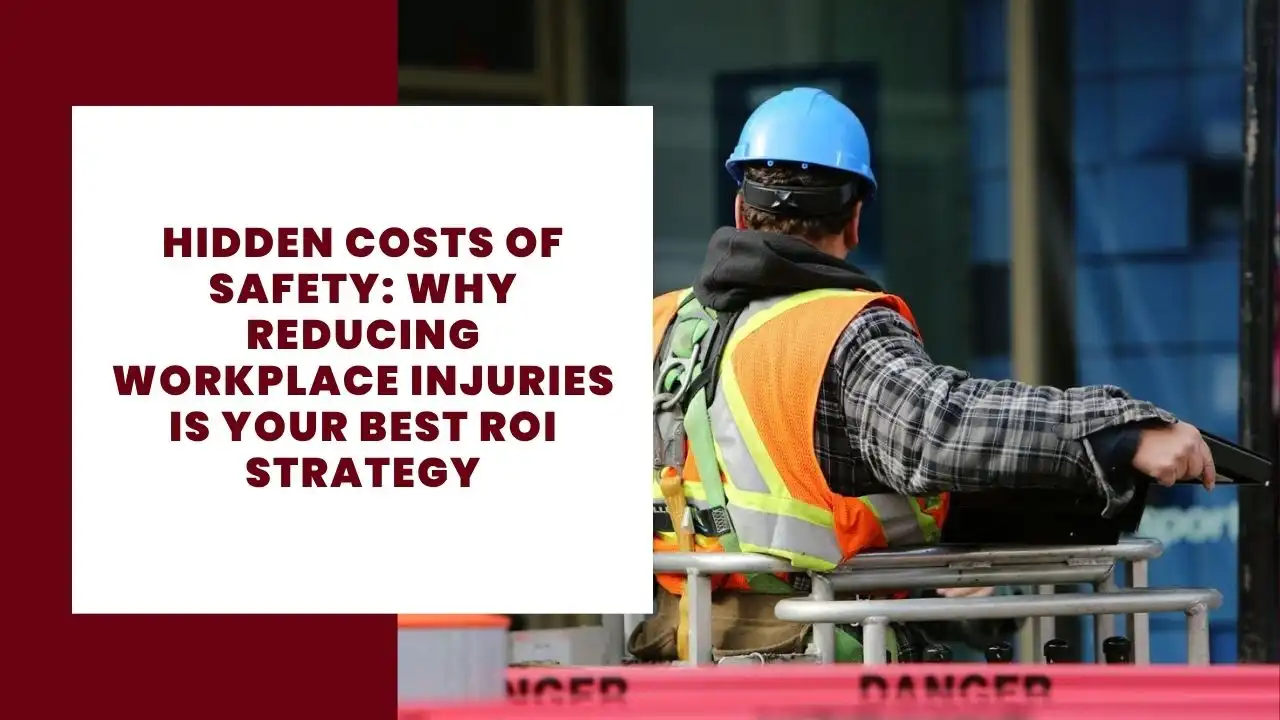
Workplace safety is often discussed in terms of compliance and prevention, but its financial impact runs much deeper. Many organizations underestimate the true cost of workplace injuries because the most expensive consequences are not always obvious. Direct expenses such as medical bills and workers’ compensation claims are significant, yet indirect costs frequently exceed them and linger long after an incident is resolved. Productivity drops, morale shifts, and operational interruptions compound the financial impact. For companies committed to long term stability and efficient performance, reducing workplace injuries is one of the most effective return on investment strategies available. A safer workplace strengthens a company’s financial health, reputation, and operational resilience.
Understanding the Full Spectrum of Injury Related Costs
When a workplace injury occurs, the immediate financial implications are easy to identify. Medical care, workers’ compensation, and administrative processing create unavoidable expenses. What many leaders fail to recognize is that the indirect costs can be significantly higher. These include lost work hours, delays in production, training temporary replacements, equipment downtime, and higher insurance premiums.
In industries where specialized skills are required, injured employees may be difficult to replace quickly. This disruption creates bottlenecks across workflows. Morale also suffers when employees witness recurring injuries or feel unsafe. The resulting turnover introduces recruitment and training expenses, which can be substantial. These compounded effects illustrate why reducing injuries is essential not only for compliance but also for financial stewardship.
Safety as a Driver of Productivity and Operational Efficiency
Companies with strong safety cultures benefit from smoother operations. When employees feel protected, they perform with more confidence and efficiency. A safe work environment minimizes interruptions caused by accidents, investigations, and equipment failures. This stability supports more consistent production schedules and improves project timelines.
Safety also encourages employee engagement. Workers who trust their environment tend to stay more focused and less anxious. They are willing to communicate concerns and collaborate more effectively because they believe leadership values their well being. Engaged employees are more productive and less likely to take unnecessary risks. Over time, this fosters a cycle where safety and productivity reinforce one another, reducing operational waste and raising overall output.
Reducing Injuries to Strengthen Long Term Financial Stability
The financial benefits of injury reduction extend far beyond day to day operations. Insurance carriers assess risk based on claims history. Frequent injuries increase premiums and may lead to higher deductibles or stricter policy conditions. Companies with fewer incidents maintain more favorable insurance relationships and greater budget predictability.
Legal vulnerability is another area where injury reduction pays dividends. When workplace conditions contribute to preventable harm, employers may face lawsuits, regulatory penalties, or reputation damage. These cases can be costly and time consuming. For employees dealing with serious harm, outside guidance from professionals such as personal injury lawyers in KY or their area may become necessary, particularly if they feel their rights were not respected. A strong safety program reduces the likelihood of legal disputes and preserves company resources.
Investing in training, protective equipment, and hazard control measures often costs far less than the cumulative impact of even one major incident. Over time, these proactive measures contribute to financial resilience by lowering claims, improving performance, and preserving workforce stability.
Creating a Strong Safety Culture Through Training and Accountability
A reliable safety framework does not depend solely on rules. It requires a culture rooted in shared responsibility. Employees must understand both the hazards of their roles and the correct procedures for mitigating risk. Regular training sessions, refresher courses, and hands on demonstrations reinforce expectations and keep safety knowledge current.
Leadership also plays a crucial role. When management models safe behavior, allocates resources, and supports reporting without fear of retaliation, employees are more likely to participate actively in safety initiatives. Accountability systems that address unsafe practices constructively help maintain consistent adherence to safety protocols.
Open communication is essential. Workers should feel comfortable reporting hazards or offering suggestions. These frontline insights often reveal risks that management may overlook. A culture that encourages dialogue fosters continuous improvement and reduces the likelihood of recurring incidents.
Leveraging Data and Technology to Minimize Risk
Modern technology provides powerful tools for identifying and reducing workplace hazards. Wearable sensors, digital checklists, real time monitoring systems, and automated maintenance alerts all contribute to safer environments. Data collected from these tools can highlight patterns, identify emerging risks, and track compliance with safety procedures.
Incident reports, near miss logs, and ergonomic assessments also contribute valuable information. When analyzed consistently, these insights help companies implement targeted interventions that reduce risks more effectively. Even small adjustments, such as redesigning workflow layouts or improving lighting, can significantly decrease potential hazards.
Data driven decision making supports transparency and enables leadership to allocate resources to the areas where they will have the greatest impact. Over time, technology and analytics help cultivate a workplace where safety improvements are continuous and measurable.
Conclusion
Reducing workplace injuries is not only a moral responsibility but also a sound financial strategy. The hidden costs associated with injuries often exceed visible expenses, affecting productivity, morale, insurance rates, and overall operational efficiency. By investing in proactive safety measures, cultivating a strong safety culture, and leveraging technology, companies can protect their employees while strengthening long term financial health. A safer workplace supports stronger performance, reduces legal and insurance risks, and delivers substantial returns on investment.