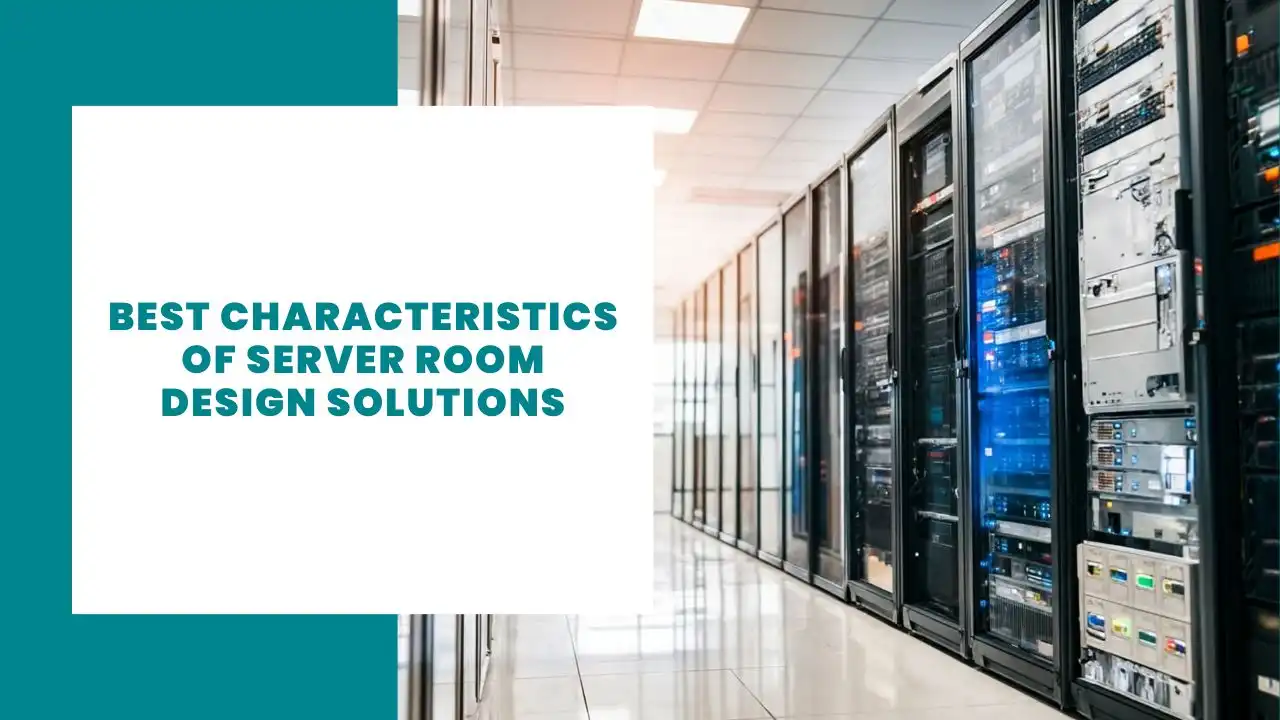
A well-planned server room is the foundation of reliable digital infrastructure. As organizations depend more on data storage, cloud services, and high-performance computing, the importance of server room design continues to grow. Effective server room design solutions protect mission-critical equipment and data, reduce downtime, and support future growth. By following best practice standards and proven design principles, businesses can create server rooms that are secure, efficient, and resilient.
The following seven characteristics define modern server room design solutions that support performance, security, and long-term reliability.
1. Optimized Layout And Server Rack Organization
One of the core elements of effective server room design is a well-organized layout. Proper placement of each server rack, enclosure, and piece of network gear ensures efficient use of server space while maintaining accessibility. Modern server rooms are designed with large doors for equipment access to accommodate heavy hardware and simplify installation.
Minimizing cable lengths through efficient routing of wires and cables improves airflow and reduces clutter. Organized routing of data cable, power cable, and fiber connections also supports easier maintenance and better data management within the server room.
2. Efficient Ventilation And Cooling Systems
Cooling is essential to prevent servers from overheating and causing interruption or equipment failure. An efficient cooling system combines ventilation, air conditioner units, and airflow management to keep temperatures stable.
Best practices for server room design include separating hot and cool air paths, using sensors to monitor temperature, and deploying cooling solutions sized for high-performance server loads. Proper ventilation and cooling protect computer servers and help maintain consistent performance.
3. Reliable Power Supply And Redundancy
Power reliability is a defining feature of best server room solutions. Redundant power systems protect against outages, trips, and utility failures that can cause downtime or data loss.
Server room design solutions typically include uninterruptible power supplies, backup generator systems, redundant power distribution units, and rack power distribution. Redundant power ensures that servers, switches, and routers remain operational even during unexpected power interruptions or natural disasters.
4. Strong Physical And Room Security Measures
Server room security is critical for protecting stored data and digital infrastructure. Securing server rooms involves controlling access to the server room through physical security measures such as locks, access control systems, and monitoring.
Data center security principles are often applied on-site in office space environments to prevent unauthorized access. These measures ensure that only authorized personnel can access mission-critical equipment and network gear.
5. Fire Suppression And Emergency Preparedness
Fire protection is an essential component of server room design. Fire suppression systems are designed to protect equipment and data without damaging sensitive hardware.
Modern server rooms incorporate fire extinguishers, emergency kits, and advanced fire suppression solutions. These systems reduce risk and ensure rapid response in case of fire, supporting the importance of server room safety and continuity.
6. Scalable And Modular Design Solutions
Effective server room design solutions are modular and scalable. As data center resources grow and computing demands increase, server rooms must adapt without requiring a complete redesign.
Modular server racks, enclosures, and power distribution units allow organizations to expand capacity while maintaining performance and security. This approach supports high-performing server environments and long-term growth.
7. Integrated Monitoring And Management Software
Modern server rooms rely on sensors and management software to monitor conditions within the server room. These tools track temperature, humidity, power usage, and equipment status in real time.
Monitoring supports proactive maintenance and faster response to potential issues. Integrated management solutions improve performance and security while helping prevent downtime and equipment failure.
FAQs About Topic
What is the most important aspect of server room design?
Cooling, power redundancy, and security are equally critical, as they directly impact uptime, equipment protection, and data integrity.
Why is redundancy necessary in server room design?
Redundancy ensures continuous operation during power outages, equipment failures, or natural disasters, reducing downtime and risk.
How does cable management affect server room performance?
Efficient routing of wires and cables improves airflow, reduces overheating, and simplifies maintenance, contributing to overall system reliability.
What security measures are recommended for server rooms?
Best practices include controlled access, physical security systems, monitoring, and strict access policies to prevent unauthorized entry.
Can small office server rooms follow data center design principles?
Yes, many data center best practices can be adapted for smaller on-site server rooms to improve reliability, performance, and security.
Conclusion of 7 Best Characteristics Of Server Room Design Solutions
Effective server room design solutions combine thoughtful layout, efficient cooling, reliable power, strong security, and scalability. By following best practices for server room design, organizations can protect mission-critical equipment and data while minimizing downtime and operational risk. A well-designed server room supports high-performance systems today and provides a resilient foundation for future growth.