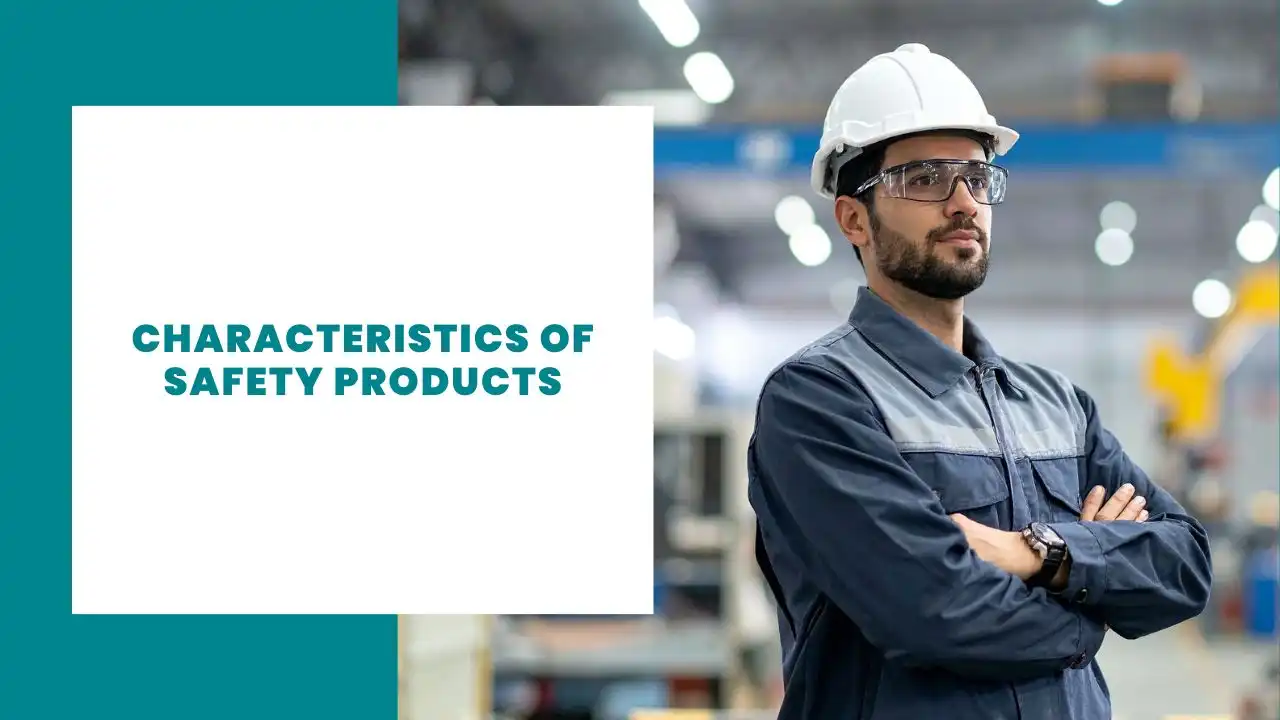
Safety products play a critical role in occupational safety and health across a wide range of industrial applications. From construction sites to manufacturing plants and laboratories, safety equipment is designed to protect workers from exposure to hazards that can cause serious workplace injuries and illnesses. Personal protective equipment at work is not only a regulatory requirement but also a key component of a safe and healthy working environment.
Understanding the core characteristics of safety products helps employers and workers select the right solutions, comply with established safety standards, and enhance workplace protection.
1. Designed to Protect Against Specific Hazards
One defining characteristic of safety products is that they are designed to protect against clearly identified hazards present in the working environment. These hazards may include electrical hazards, contact with hazardous substances, gas exposure, splash risks, or fall-related dangers.
Personal protective equipment varies based on the type and level of protection required. For example, safety gloves protect hands from cuts or chemical exposure, while safety boots reduce the risk of injury from heavy objects or sharp materials. Equipment designed to protect workers must match the different risks present in each job role.
Choosing the right personal protective equipment requires understanding potential hazards and selecting PPE designed to provide sufficient protection.
2. Compliance With Safety Standards and Regulations
Safety products must comply with national standards and regulatory requirements to ensure effectiveness. In many workplaces, compliance with safety standards set by the Occupational Safety and Health Administration and the National Institute for Occupational Safety is mandatory.
Protective equipment at work regulations, including the Equipment at Work Regulations 1992, establish minimum safety requirements for equipment for use in the workplace. OSHA standards and other national standards define how PPE must perform, how it should be tested, and when it must be replaced.
Employers must provide PPE that meets these standards, ensuring safety equipment includes certified products that must comply with established safety guidelines.
3. Proper Fit and Appropriate Level of Protection
Another essential characteristic of safety products is proper fit. PPE must provide the correct level of protection without restricting movement or comfort. Poorly fitted protective gear may increase the risk of injury rather than reduce it.
Head protection such as a hard hat or helmet must fit securely, while eye and face protection like safety glasses, safety goggles and face shields must seal properly to prevent exposure. Respiratory protective equipment, including respirators and air purifying respirators, must form a proper seal to ensure effective respiratory protection.
Selected PPE should match both the task and the individual worker to ensure safe and effective use of PPE.
4. Coverage Across Basic Types of Safety Equipment
Effective workplace protection relies on a range of safety solutions rather than a single piece of equipment. Safety equipment includes multiple basic types designed to address different exposure risks.
Types of safety equipment include protective clothing, safety vests, safety harnesses for fall protection, earplug solutions for hearing protection, and breathing apparatus such as self-contained breathing apparatus. Eye protection, head protection, and respiratory protection are often combined to protect workers from multiple hazards at once.
Safety equipment for several industrial applications must work together to provide comprehensive protection against workplace hazards.
5. Ease of Proper Use and Safety Training Integration
Safety products must be easy to use correctly. Proper use is essential for personal protective equipment to provide protection as intended. Even PPE designed to the highest standards can fail if used improperly.
Safety training plays a major role in ensuring workers understand the use of personal protective equipment, how to inspect it, and when to replace it. Employers must ensure workers know how to wear safety harnesses, respirators, safety goggles, and other protective equipment may include.
Personal protective equipment may only be effective when combined with training and clear workplace safety procedures.
6. Support for Administrative Controls When Other Measures Are Not Feasible
In occupational safety planning, administrative controls and engineering controls are preferred methods of reducing risk. However, when administrative controls are not feasible or do not fully eliminate exposure to hazards, PPE must provide the final layer of defense.
Personal protective equipment is used to reduce exposure to hazards that cannot be completely removed from the working environment. For example, respiratory protective equipment may be required when ventilation alone cannot control airborne contaminants.
In such cases, PPE must provide sufficient protection to minimize the risk of injury and maintain a safe and healthy workplace.
7. Durability and Suitability for Industrial Applications
Safety products must be durable enough to withstand demanding industrial applications. Equipment at work is often exposed to harsh conditions, including extreme temperatures, chemicals, moisture, and repeated use.
Protective equipment may include reinforced materials, impact-resistant designs, and corrosion-resistant components. PPE meets durability requirements when it continues to perform over time without compromising safety.
High-quality safety equipment must provide long-term reliability while maintaining compliance with safety requirements.
FAQs About Topic
What is personal protective equipment?
Personal protective equipment refers to safety gear worn by workers to reduce exposure to workplace hazards. PPE includes items such as safety gloves, safety boots, respirators, safety glasses, and protective clothing.
When is the use of PPE required?
The use of PPE is required when hazards cannot be adequately controlled through engineering or administrative controls. Employers must provide PPE when there is a risk of injury or exposure to hazardous conditions.
How do employers choose the right safety equipment?
Selecting the right safety equipment involves assessing hazards present, understanding different risks, and choosing PPE designed to protect against those hazards. Key considerations include fit, level of protection, and compliance with safety standards.
What are examples of respiratory protective equipment?
Respiratory protective equipment includes respirators, air purifying respirators, breathing apparatus, and self-contained breathing apparatus. These are used to protect workers from inhaling harmful gases, vapors, or particles.
Who is responsible for providing PPE in the workplace?
Employers must provide PPE to workers at no cost when required by safety regulations. Employers are also responsible for ensuring PPE is properly maintained and that workers are trained in its correct use.
Conclusion of Characteristics of Safety Products
Safety products are a fundamental component of workplace safety and occupational safety and health strategies. From compliance with safety standards to proper fit, durability, and targeted hazard protection, the characteristics of safety products determine how effectively they protect workers.
By understanding these characteristics, employers can enhance workplace safety, reduce serious workplace injuries and illnesses, and create safer working environments. Selecting the right personal protective equipment, supported by training and compliance, ensures that safety equipment truly fulfills its purpose of protecting workers from potential hazards.