
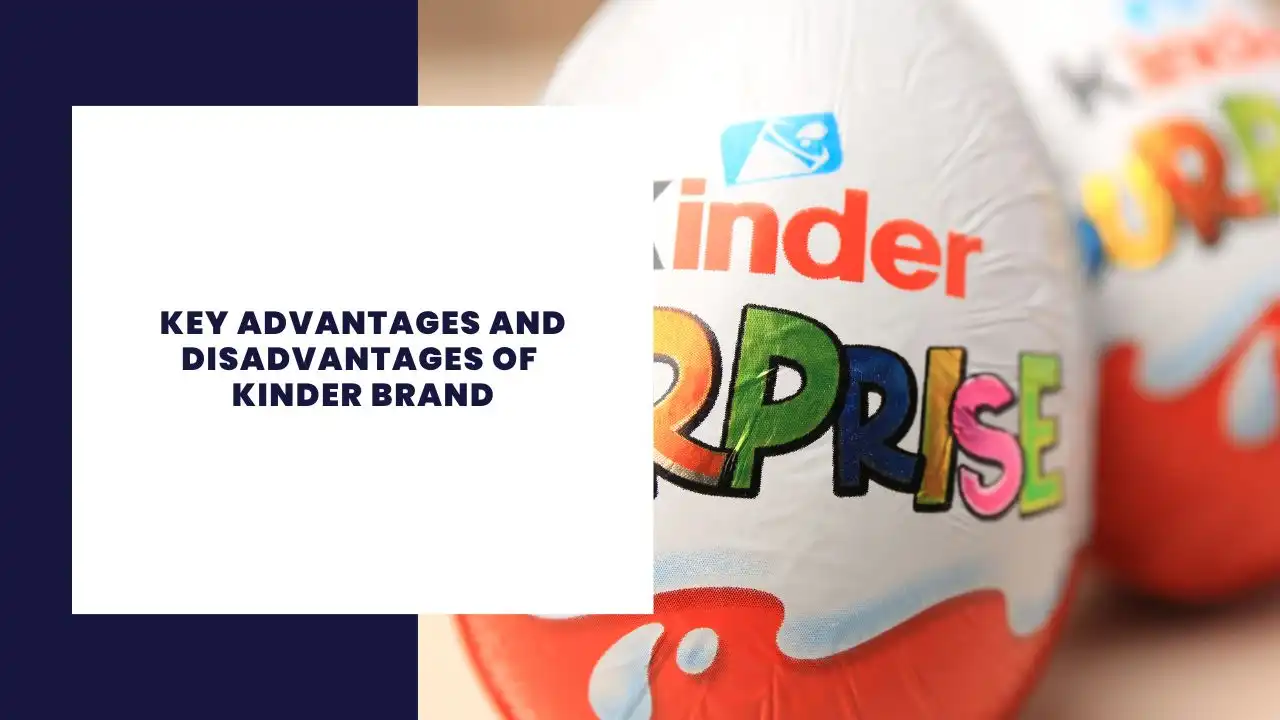
14 Key Advantages And Disadvantages Of Kinder Brand
The Kinder brand, owned by Ferrero, has become a household name in the global confectionery market, famous for its milk chocolate treats and playful toys that appeal to children and adults alike. Since its introduction by Pietro Ferrero and later expansion by Michele Ferrero, the brand has successfully positioned itself as a leader in chocolate products, including Kinder Surprise eggs, Kinder Joy, and Kinder Bueno. Understanding the advantages and disadvantages of the Kinder brand is essential for investors, marketers, and consumers who want to gauge its impact, brand awareness, and market position.
Written by
- Redaction Team
- Business Planning, Entrepreneurship
Table of Contents
What is Kinder Brand?
The Kinder brand is a line of confectionery products developed by Ferrero, an Italian food company founded in 1946. Kinder focuses on milk chocolate products combined with fun elements such as toys, making them appealing to children while maintaining a premium quality that adults can enjoy. Popular products include Kinder Surprise eggs, Kinder Bueno, Kinder Delice, and Kinder Happy Hippo.
The brand has successfully differentiated itself through its marketing strategy, product development, and distribution channels in supermarkets and retail stores across the world. Its combination of chocolate and toys targets young children while fostering brand loyalty and family-friendly positioning.
Advantages of Kinder Brand
1. Strong Brand Recognition
Kinder enjoys high brand awareness due to decades of marketing campaigns, strategic product launches, and global distribution. Its distinctive egg-shaped products and playful toys make it instantly recognizable in supermarkets and retail stores.
2. Diverse Product Line
The Kinder brand offers a wide range of products, from chocolate bars like Kinder Bueno to toy-filled chocolate eggs. This product line diversity allows it to cater to different target markets and preferences, increasing its market penetration.
3. Strong Global Presence
With a distribution channel spanning multiple countries, Kinder products are available in major supermarkets and retailers worldwide. This global presence strengthens its competitive advantage against brands like Cadbury and Nestle.
4. Innovative Marketing Strategy
Kinder has consistently used creative sales promotion and advertising strategies, such as limited edition toys, holiday campaigns, and interactive campaigns, which enhance customer engagement and brand loyalty.
5. High-Quality Ingredients
The brand emphasizes the use of milk chocolate, hazelnuts, and cocoa, ensuring that consumers perceive Kinder chocolate as a high-quality confectionery product. This emphasis on quality fosters trust among parents and children alike.
6. Appeals to Multiple Age Groups
While primarily aimed at children, Kinder products such as Ferrero Rocher and Kinder Delice appeal to adults, allowing the brand to broaden its consumer base.
7. Strong Product Loyalty
The combination of chocolate and toys encourages repeat purchases, creating a loyal customer base. Many consumers associate Kinder with joyful childhood experiences, reinforcing its brand strength.
Disadvantages of Kinder Brand
1. Health Concerns
Some Kinder products contain palm oil, high sugar levels, and fat content, which raises concerns among health-conscious consumers and limits the brand’s appeal in the healthy food segment.
2. High Production Costs
Kinder chocolate requires quality ingredients like milk, cocoa, and hazelnuts, contributing to higher production costs compared to substitute brands. This may affect pricing strategy and profit margins.
3. Dependency on European Market
Although Kinder is globally recognized, a significant portion of sales comes from Europe, making it vulnerable to regional economic fluctuations and changing consumer preferences.
4. Highly Competitive Market
The global confectionery market is highly competitive, with brands like Lindt, Nestle, and Cadbury competing for market share. This competition can limit Kinder’s growth opportunities.
5. Risk of Product Recalls
Kinder products, especially toy-filled chocolates, have faced recalls in the past due to safety concerns. Such incidents can damage brand reputation and consumer trust.
6. Environmental Concerns
Packaging, particularly the plastic used in toys, raises concerns among eco-conscious consumers. Increased focus on sustainability could affect brand perception.
7. Limited Appeal in Premium Chocolate Segment
While Kinder is strong in mass-market confectionery, it may struggle to compete in the premium chocolate market, where brands like Lindt and Ferrero Rocher dominate.
Comparison Table of the Pros and Cons of Kinder Brand
| Advantages | Disadvantages |
|---|---|
| Strong brand recognition | Health concerns due to sugar and palm oil |
| Diverse product line | High production costs |
| Global presence | Dependency on European market |
| Innovative marketing strategy | Highly competitive market |
| High-quality ingredients | Risk of product recalls |
| Appeals to multiple age groups | Environmental concerns |
| Strong product loyalty | Limited appeal in premium chocolate segment |
SWOT Analysis of Kinder Brand
Strengths
Strong brand awareness and recognition worldwide.
Extensive product line catering to children and adults.
High-quality ingredients enhance consumer trust.
Effective marketing strategy fostering brand loyalty.
Weaknesses
Health concerns limit appeal in the healthy food market.
High production costs affect pricing flexibility.
Reliance on European market makes it vulnerable to regional fluctuations.
Opportunities
Expansion into emerging global markets.
Development of healthier or sugar-reduced products.
Leveraging digital marketing and interactive campaigns to engage younger consumers.
Threats
Intense competition from Nestle, Cadbury, and Lindt.
Environmental and sustainability concerns affecting packaging perception.
Potential product recalls impacting brand reputation.
FAQs About Kinder Brand
Kinder chocolate combines high-quality milk chocolate with playful elements like toys, appealing to both children and adults.
Yes, Kinder brand is a subsidiary of Ferrero, the Italian food company founded in 1946.
Most Kinder products are high in sugar and fat, so they should be consumed in moderation, especially by health-conscious consumers.
Popular items include Kinder Surprise eggs, Kinder Joy, Kinder Bueno, and Kinder Happy Hippo.
The brand combines chocolate with toys, creative marketing campaigns, and global availability, which fosters strong customer loyalty.
Conclusion of Advantages and Disadvantages of Kinder Brand
The Kinder brand has successfully established itself as a leader in the global confectionery market. Its combination of milk chocolate, playful toys, and innovative marketing strategies creates strong brand loyalty and a wide consumer base.
However, health concerns, high production costs, and market competition pose challenges for the brand. Understanding these pros and cons, along with the SWOT analysis of Kinder, is essential for marketers, retailers, and investors seeking to maximize opportunities and mitigate risks in the confectionery market.
More about Business Planning