
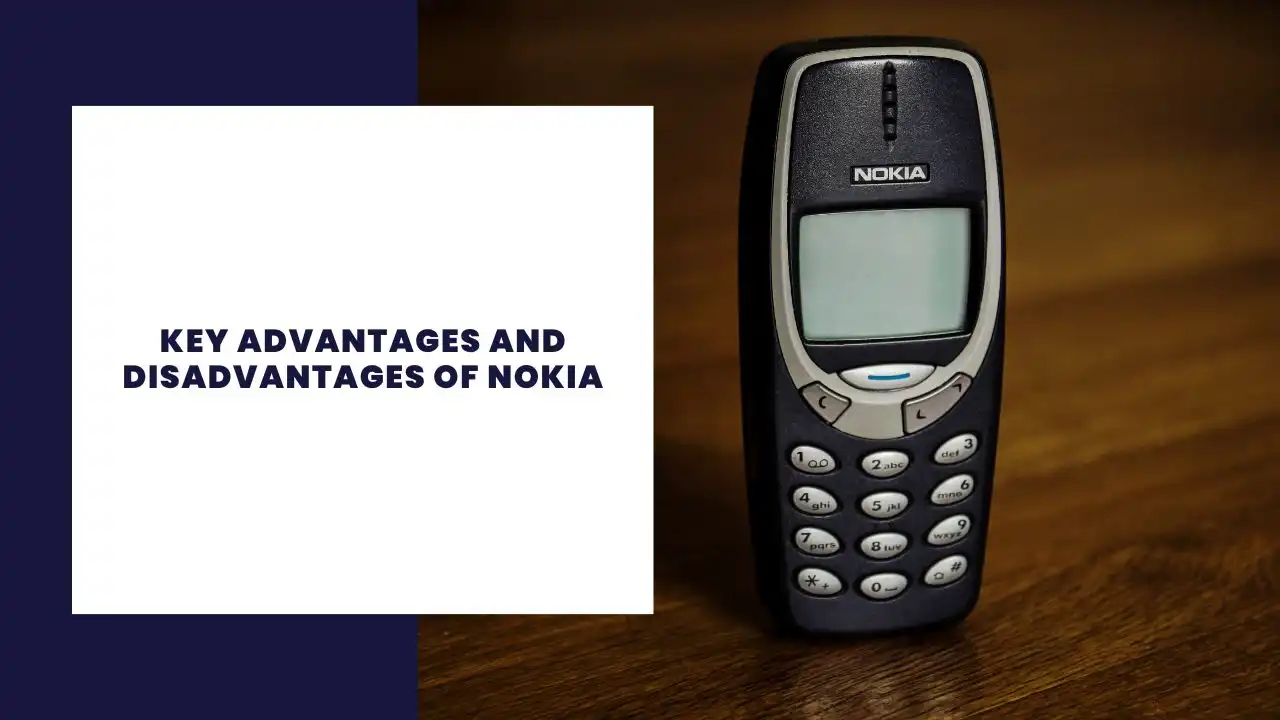
14 Key Advantages and Disadvantages of Nokia
Nokia remains one of the most recognized names in the mobile phone industry. Once the leader in mobile devices and a pioneer in feature phones, the Nokia brand was synonymous with reliability, durability, and long battery life. Over the years, the company transitioned from dominating the GSM era with basic phones to entering the competitive smartphone segment. Despite experiencing a loss of market share due to fierce competition and a lack of innovation at certain stages, Nokia still holds a respectable position in both the feature phone and smartphone markets.
Today, under HMD Global, many Nokia devices aim to balance affordability with solid specifications. From a basic flip phone with built-in FM radio to a high-end Nokia smartphone powered by Qualcomm Snapdragon chipsets, the company continues to cater to diverse consumer needs. Understanding the advantages and disadvantages of Nokia is key to evaluating its place in the modern mobile phone market.
Written by
- Redaction Team
- Business Planning, Entrepreneurship
Table of Contents
What is Nokia?
Nokia is a Finnish multinational corporation that began as a pulp mill in the 19th century and evolved into a telecommunications and electronics powerhouse. It rose to prominence in the late 1990s and early 2000s as the global leader in mobile phones. Known for producing sturdy handsets with excellent battery life, Nokia became a household name around the world.
In the era of smartphones, Nokia’s journey has been marked by both successes and setbacks. The company initially struggled with its OS strategy and lost market share to rivals such as Samsung, Apple, and other Android-powered brands. Today, Nokia smartphones run on Android OS, offering access to the Google Play Store, wide viewing angles on IPS displays, and specifications above for the Nokia devices that cater to both casual and power users.
The brand now produces a variety of mobile devices, including feature phones, entry-level smartphones, and mid-range to high-end handsets. With models equipped with dual SIM capability, 4G and 5G support, USB Type-C connectors, Corning Gorilla Glass protection, and fast charging options, Nokia aims to provide a solid user experience while maintaining the durability it’s known for.
Advantages of Nokia
1. Durable Build Quality
Nokia’s reputation for sturdy, long-lasting devices is one of its strongest selling points. Many Nokia phones use Corning Gorilla Glass and robust materials, ensuring resistance against daily wear and tear.
2. Long Battery Life
Battery life has always been a hallmark of Nokia phones, from basic feature phones to smartphones with large Li-Po batteries. Users can often browse the web, enjoy FM radio, and use Wi-Fi for extended periods without frequent charging.
3. Wide Product Range
From basic phones for GSM networks to advanced Nokia smartphones with 4 GB of RAM and octa-core chipsets, the company offers options for different budgets and needs.
4. Clean Android OS Experience
Nokia’s use of near-stock Android provides a clutter-free interface, regular security updates, and smooth performance, enhancing overall customer satisfaction.
5. Dual SIM Capability
Many Nokia devices feature dual SIM capability, allowing users to switch between two SIM cards seamlessly—ideal for balancing work and personal lines.
6. Expandable Storage
Most Nokia smartphones include a dedicated microSD card slot, enabling users to increase internal storage capacity beyond the base GB of internal storage.
7. Strong Camera Features
Equipped with rear camera setups, LED flash, and selfie cameras capable of quality video recording, Nokia phones allow users to capture moments with clarity.
Disadvantages of Nokia
1. Loss of Market Share
Nokia failed to adapt quickly during the smartphone revolution, resulting in a significant loss of market share to brands like Samsung and Apple.
2. Lack of Innovation
In certain periods, Nokia’s devices lacked cutting-edge features compared to other smart phones, making it less competitive in the high-end segment.
3. Limited Marketing Impact
Despite strong products, Nokia’s marketing strategies have not always been aggressive enough to challenge the dominance of bigger players in the mobile phone market.
4. Specification Gaps
While many Nokia smartphones are solid, some models offer specs that lag behind competitors at similar price points, such as lower RAM in a smartphone or older Bluetooth versions like Bluetooth 4.2.
5. Inconsistent Availability
Official data published shows that Nokia’s presence in some markets is inconsistent, with limited handset availability affecting customer reach.
6. Software Update Delays
Although Nokia promotes regular Android updates, there have been occasional delays in rolling out major OS updates for certain devices.
7. Perception as a “Basic” Brand
Because of its history with feature phones and basic phone models, some consumers still view Nokia as less innovative compared to brands pushing premium specifications.
Comparison Table of the Advantages and Disadvantages of Nokia
| Advantages | Disadvantages |
|---|---|
| Durable build quality | Loss of market share |
| Long battery life | Lack of innovation |
| Wide product range | Limited marketing impact |
| Clean Android OS experience | Specification gaps |
| Dual SIM capability | Inconsistent availability |
| Expandable storage | Software update delays |
| Strong camera features | Perception as a “basic” brand |
SWOT Analysis of Nokia
Strengths
Strong brand recognition in the mobile phone industry
Durable devices with excellent battery life
Wide product portfolio, from feature phones to 5G smartphones
Clean Android interface and commitment to customer satisfaction
Weaknesses
Loss of market share and lack of innovation in key periods
Perception as outdated in the high-end smartphone segment
Occasional specification limitations compared to rivals
Opportunities
Growing demand for affordable 4G and 5G smartphones
Potential to expand in emerging markets
Innovations in battery life, camera technology, and user experience
Threats
Fierce competition from Samsung, Xiaomi, and other Android brands
Rapid technology changes that demand continuous R&D investment
Shifting consumer preferences toward other mobile phone brands
FAQs About Nokia
Some Nokia smartphones with Snapdragon chipsets and 4 GB of RAM can handle casual gaming, but they may not match high-end gaming devices.
Yes, many Nokia devices come with dual SIM capability, allowing users to switch between two SIM cards easily.
Most Nokia smartphones include a dedicated microSD card slot to expand internal storage capacity.
Nokia’s rear camera setups and selfie cameras, often with LED flash and video recording features, provide decent quality for everyday use.
Yes, Nokia still produces feature phones and basic models alongside its range of Android smartphones.
Conclusion of Advantages and Disadvantages of Nokia
Analyzing both sides, Nokia’s strengths lie in its durable build, long battery life, and wide range of devices that cater to different market segments. The brand’s clean Android OS and practical features like dual SIM capability and expandable storage contribute to a positive user experience.
However, disadvantages such as the loss of market share, lack of innovation in certain periods, and specification gaps have limited Nokia’s growth in the smartphone market. By addressing these challenges and leveraging its strong brand recognition, Nokia can improve its position and remain a relevant player in the global mobile phone market.
More about Business Planning