
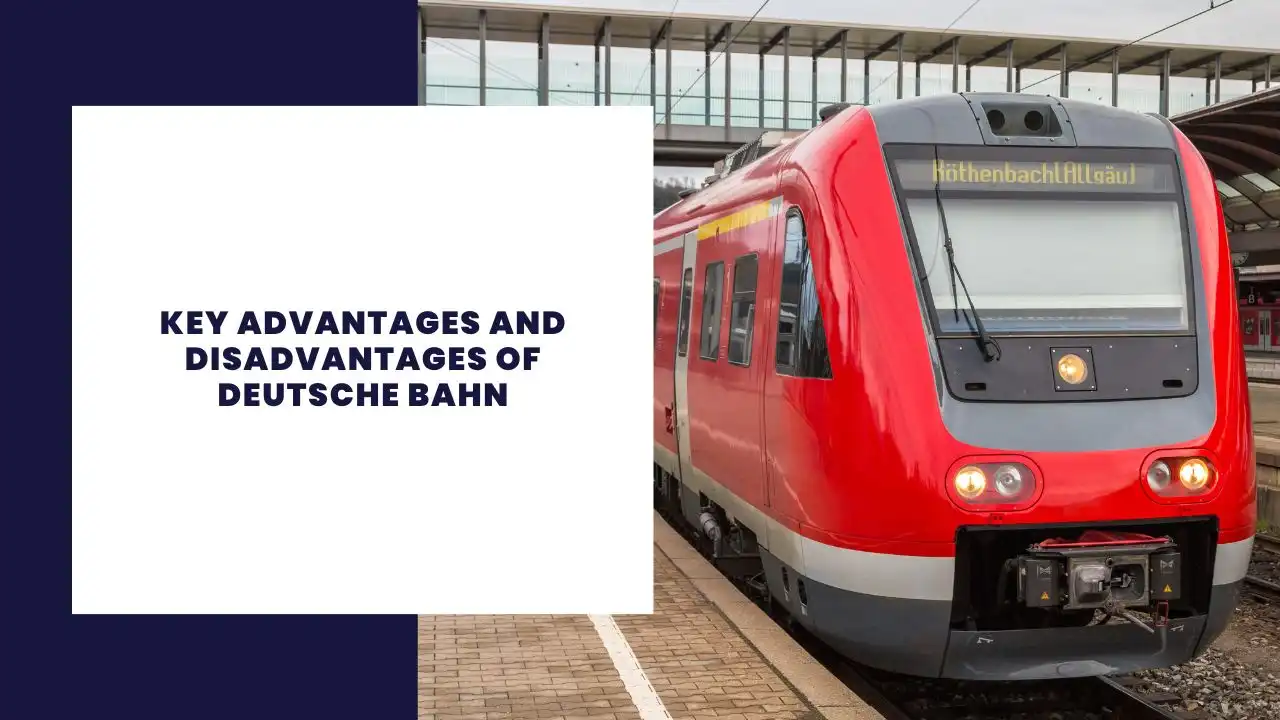
14 Key Advantages and Disadvantages of Deutsche Bahn
Train travel in Germany is widely considered efficient, reliable, and expansive. Whether you’re a tourist planning a trip across Germany or someone living in Germany, chances are you’ve used or heard about Deutsche Bahn—Germany’s national railway company. Known for connecting major cities like Berlin, Munich, Frankfurt, and Hamburg, the DB (short for Deutsche Bahn) plays a vital role in the public transport system of the country.
While the rail system is celebrated for its innovation and accessibility, it is not without its critics. Travelers often debate the advantages and disadvantages of DB’s trains, discussing topics like ticket price, train change logistics, and even punctuality. Whether you’re boarding a regional train, hopping on the U-Bahn, or reserving a seat on a high-speed Intercity Express (ICE), it’s useful to know what to expect.
Written by
- Redaction Team
- Business Planning, Entrepreneurship
Table of Contents
What is Deutsche Bahn?
Deutsche Bahn, or DB, is the national railway company of Germany, established in 1994 following the merger of East and West Germany’s railway systems. Headquartered in Berlin, DB is responsible for most of the train travel in Germany, operating both long-distance and regional trains as well as S-Bahn and U-Bahn services in urban centers.
The DB network connects nearly all regions of Germany, making it an essential part of the country’s public transportation infrastructure. From commuter trains servicing small towns to the iconic ICE trains that race between cities at speeds up to 300 km/h, DB enables millions of passengers to travel within Germany and even into neighboring countries.
Services also include buses, trams, and local transport options, offering intermodal travel solutions for passengers. Whether you’re catching the first train of the day or booking an express train to avoid a miss your flight scenario, Deutsche Bahn is central to how people move around Germany.
Advantages of Deutsche Bahn
1. Extensive National Coverage
Deutsche Bahn’s rail system spans the entire country, connecting large cities like Frankfurt, Munich, and Hamburg to rural areas and smaller towns. Its expansive network means that whether you’re traveling across Germany or staying local, there’s likely a train station nearby.
2. High-Speed ICE Trains
The Intercity Express (ICE) trains are among the fastest in Europe. These high-speed trains dramatically reduce travel times between major cities, making them a top choice for business travelers and tourists alike.
3. Punctuality in Early Mornings and Off-Peak Hours
While punctuality can be a concern during rush hours, many trains running on time are recorded during early mornings or late evenings. DB’s detailed scheduling also helps in planning a trip with better accuracy.
4. Intermodal Connectivity
From train stations, passengers can easily switch to trains and buses, U-Bahn, S-Bahn, or tram services, ensuring seamless public transport connections. Many stations also offer access to taxis and rental bikes.
5. Environmentally Friendly
Train travel is significantly more eco-friendly than cars or planes. By choosing Deutsche Bahn, passengers contribute to lowering CO₂ emissions, promoting a low-cost, sustainable mode of public transportation.
6. Variety of Ticket Options
From day passes to the BahnCard, which offers discounted fares, DB provides a wide range of train ticket options. These offers are ideal for commuters and travelers who frequently use the railway system.
7. Comfortable Compartment and Seating Choices
Trains typically have clean, modern compartments, with options like first-class seating and quiet zones. Long journeys can be restful, especially on long distance trains like IC or ICE.
Disadvantages of Deutsche Bahn
1. Frequent Delays
Despite a reputation for efficiency, trains running on time is not always a guarantee. Train is delayed signs are common, especially on long train routes or during rush hours. These delays can impact arrival times and travel plans.
2. High Ticket Prices
Compared to other forms of public transportation in Europe, Deutsche Bahn’s ticket prices can be steep—especially when purchased last minute. Without a bahncard or advance booking, travel can become expensive quickly.
3. Overcrowded Trains
During peak times or holidays, overcrowded trains are a frequent disadvantage. Finding a seat—even with a reservation—can be difficult, particularly on popular routes between major cities or during commuter hours.
4. Complex Route Changes
Sometimes, due to cancellations or track maintenance, travelers are forced into an unexpected train change. The lack of clear alternative guidance can confuse tourists and those unfamiliar with the public transport system.
5. Cancellation Issues
Unannounced cancellations and insufficient real-time updates can leave travelers stranded, especially in rural areas where alternative routes or buses are less frequent.
6. Poor Performance in Rural Regions
While DB covers regions of Germany extensively, rural areas often suffer from fewer connections, older railway infrastructure, and reduced service frequency, limiting travel between cities and towns.
7. Limited Night Services
Although long distance routes connect the country well during the day, night trains are limited. This can make early morning travel more difficult without resorting to taxis or buses.
Comparison Table of the Previous Advantages and Disadvantage
| Advantages | Disadvantages |
|---|---|
| Extensive national rail network | Frequent delays |
| High-speed ICE trains | High ticket prices |
| Good punctuality off-peak | Overcrowded trains during rush hours |
| Strong intermodal connections | Complicated reroutes and train changes |
| Eco-friendly public transportation | Unreliable service in rural areas |
| Flexible ticket options (BahnCard, passes) | Sudden cancellations |
| Comfortable compartments and seating | Limited night services |
The Future of Deutsche Bahn
As Germany pushes toward a greener future, Deutsche Bahn is expected to play a central role in decarbonizing the transport sector. Investments are already being made into expanding the railway infrastructure, modernizing trains, and integrating new technologies.
Upcoming plans include more high-speed routes, better real-time updates via apps, and the introduction of new ICE trains with enhanced comfort and energy efficiency. The government has also promised more funding to make public transport more reliable and affordable, potentially addressing long-standing concerns like punctuality, ticket price, and train is delayed issues.
Efforts to improve public transportation in rural areas, increase long-distance options, and simplify train change processes will help Deutsche Bahn compete with private car ownership and air travel within Europe.
FAQs About Deutsche Bahn
Use the BahnCard for up to 50% discounts, book in advance, and look for day pass offers or regional specials for low-cost travel.
Check the DB Navigator app for updates. If your delay is over 60 minutes, you may be entitled to partial refunds.
Punctuality varies. Long distance trains often face delays, especially during rush hours or adverse weather conditions.
For travel between cities, DB is faster and more comfortable, but buses can be significantly cheaper, particularly for students and budget travelers.
Yes, especially in urban areas like Munich, Hamburg, and Frankfurt, public transport tickets often cover U-Bahn, S-Bahn, trams, and buses.
Conclusion of Advantages and Disadvantages of Deutsche Bahn
Deutsche Bahn remains a vital part of Germany’s public transportation landscape. From its efficient long-distance services like the ICE and IC to its expansive regional train network, the national railway company continues to be a top choice for both domestic and international travelers.
However, it’s essential to weigh the advantages and disadvantages. While DB offers speed, comfort, and wide coverage, issues like train delays, overcrowding, and cancellations may affect your experience.
For those living in Germany or planning train travel in Germany, being informed helps you make smarter decisions—whether you’re catching the first train of the day or navigating your way across multiple train stations and regions of Germany. With modernization efforts underway, the future of DB’s rail system looks promising, aiming to become more punctual, sustainable, and user-friendly.
More about Business Planning