Have you ever wondered what to do in a medical emergency?
Basic Life Support (BLS) training teaches you how to help someone who is not breathing or has no heartbeat. It is a skill that can save lives. Doctors, nurses, and even everyday people can learn BLS.
The training covers chest compressions, rescue breaths, and using an AED. Knowing what to do can make a big difference before help arrives.
Let’s explore how BLS training works.
What BLS Training Covers
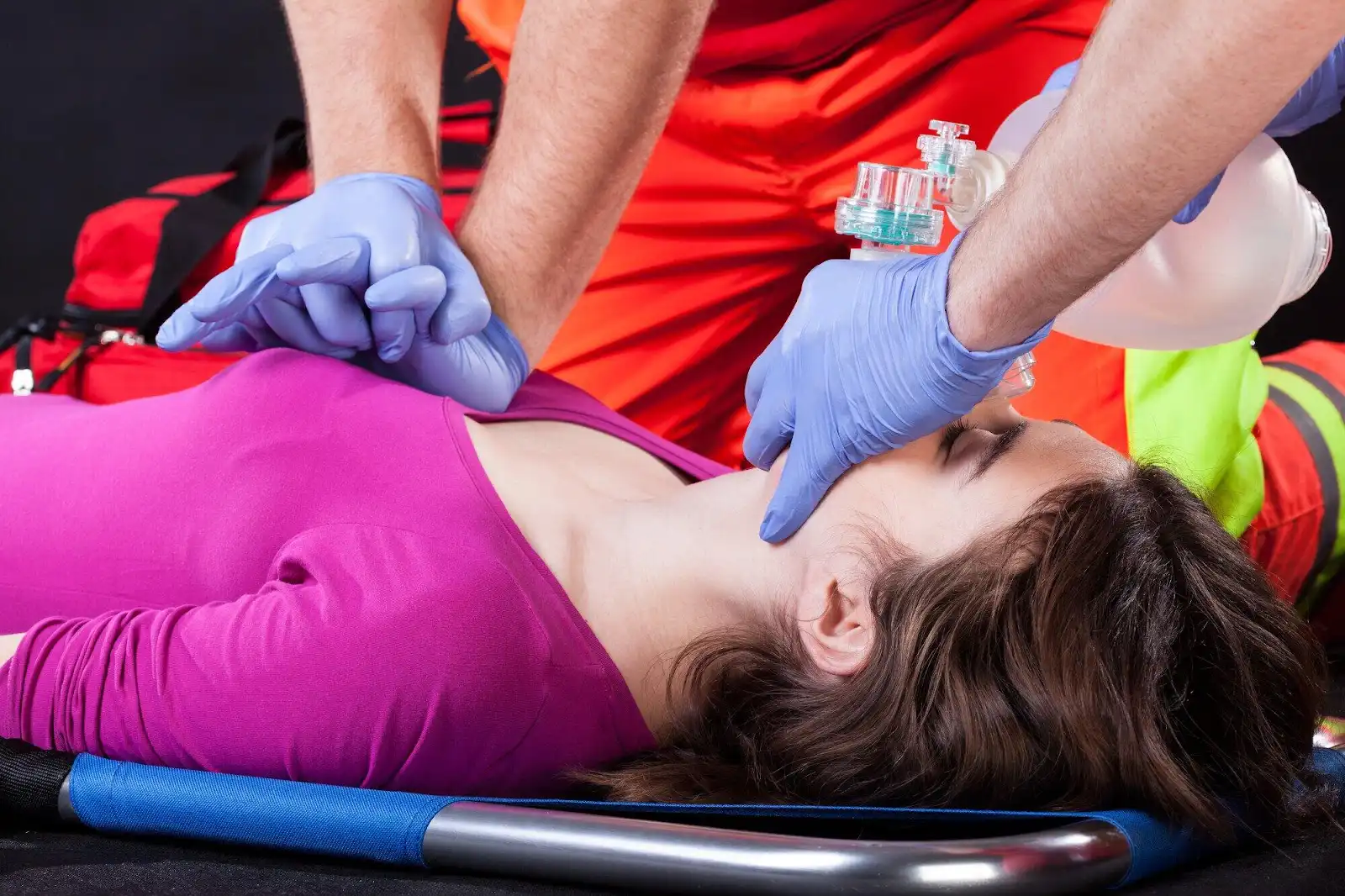
BLS training shows how to check a scene for safety before acting. You learn to call for help and start CPR quickly. The program teaches proper hand placement and chest compression depth.
You also practice giving rescue breaths with a mask or barrier device. Instructors guide you on how to keep a steady rhythm. You learn when to switch between compressions and breaths.
The course covers how to help someone who is choking. You practice back blows and abdominal thrusts on training manikins. You gain skills to act with calm and confidence.
Who Needs BLS Certification
Health workers in hospitals and clinics must hold BLS certificates. Nurses, doctors, and therapists use these skills every day. They need proof of training to work on medical teams.
Staff in nursing homes, schools, and day care centers also need BLS. Teachers and caregivers may face sudden health events. Having certification shows they can respond to emergencies safely.
Emergency responders and lifeguards must renew BLS regularly. This ensures their skills stay sharp. Even volunteers at public events can benefit from knowing BLS.
Steps in Giving CPR
First, check that the area is safe for you and the patient. Then call emergency services or ask someone else to call. Speak clearly to get help on the way.
Next, place your hands in the center of your chest. Push hard and fast at a rate of about 100 compressions per minute. Let the chest return fully between each push.
If you are trained, administer two rescue breaths following 30 compressions. To open the airway, tilt the head back and raise the chin. Until assistance arrives, keep performing compression and breathing cycles.
How to Use AEDs
An AED is a small machine that gives an electric shock when needed. First, turn on the device and follow the voice prompts. The AED will guide you through each step.
Attach the sticky pads to the bare chest as shown on the device. One pad goes on the upper right side and the other below the left armpit. Make sure no one touches the patient during analysis.
If the AED advises a shock, press the button when prompted. After the shock, resume CPR immediately. Continue until medical help takes over or the patient shows signs of life.
How Long Training Takes
Most BLS courses last four to six hours in person. You split time between watching demonstrations and practicing skills. Instructors give feedback to help you improve.
Some programs offer online lessons before the hands-on session. You complete quizzes at home and then join a short in-person class. This blended format can cut the time needed on-site.
Certification usually lasts two years before you must renew. Renewal takes less time because you review key skills.
Why BLS Skills Matter
Learning how to help in an emergency can save someone’s life. BLS training gives you the tools to act fast and stay calm.
These skills are useful at work, at home, or in public. It’s a smart step for everyone.
For more helpful blog posts like this one, visit the rest of our site!
We use cookies on our website to give you the most relevant experience by remembering your preferences and repeat visits. By clicking “Accept”, you consent to the use of ALL the cookies.
This website uses cookies to improve your experience while you navigate through the website. Out of these, the cookies that are categorized as necessary are stored on your browser as they are essential for the working of basic functionalities of the website. We also use third-party cookies that help us analyze and understand how you use this website. These cookies will be stored in your browser only with your consent. You also have the option to opt-out of these cookies. But opting out of some of these cookies may affect your browsing experience.
Necessary cookies are absolutely essential for the website to function properly. This category only includes cookies that ensures basic functionalities and security features of the website. These cookies do not store any personal information.
Any cookies that may not be particularly necessary for the website to function and is used specifically to collect user personal data via analytics, ads, other embedded contents are termed as non-necessary cookies. It is mandatory to procure user consent prior to running these cookies on your website.