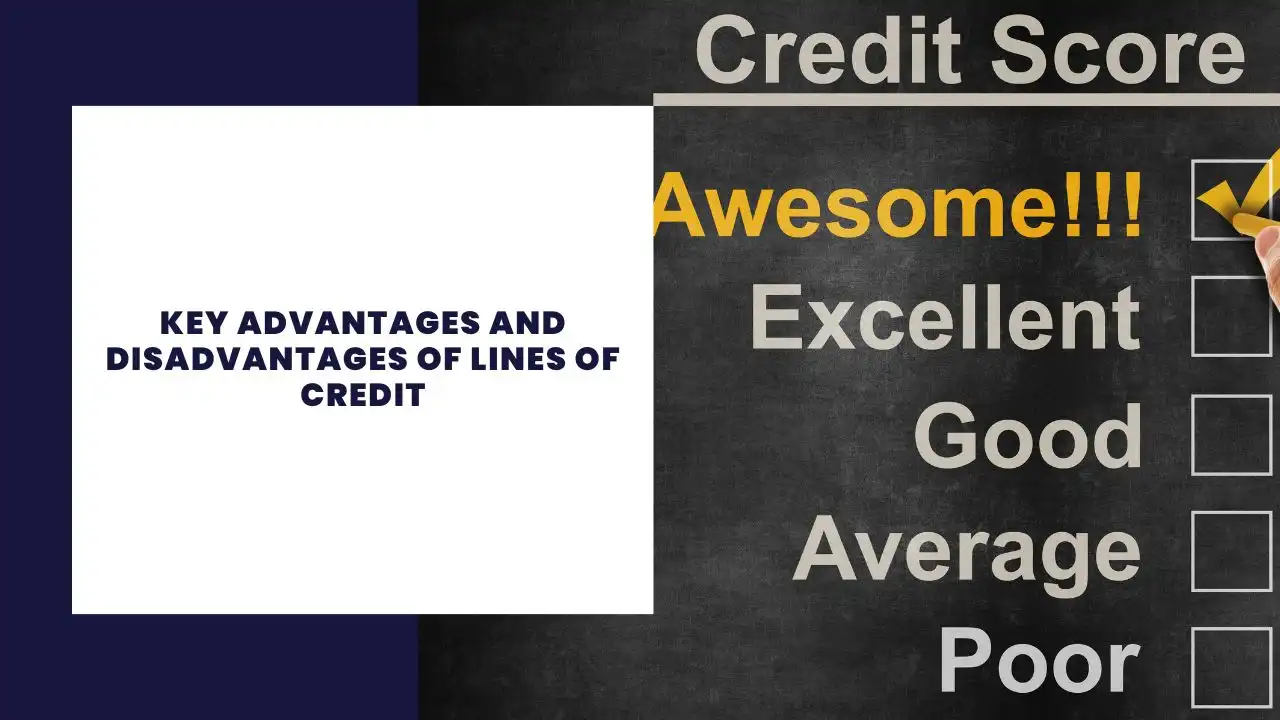
14 Key Advantages and Disadvantages of Lines of Credit
Lines of credit are a flexible financial tool used by individuals and businesses to manage cash flow, fund purchases, or cover emergency expenses. Like a credit card, a line of credit gives you access to a set amount of funds that you can borrow from as needed and repay over time. Whether you’re considering a personal line of credit, a business line of credit, or a home equity line of credit, understanding the pros and cons of this financial product can help you make informed decisions.
Written by
- Redaction Team
- Personal Finances, Professional Development
Table of Contents
What is a Line of Credit?
A line of credit is a type of revolving loan that allows you to borrow money up to a predetermined credit limit. Unlike a traditional loan that provides a lump sum, a line of credit works similarly to a credit card, where funds can be accessed on demand and repaid either partially or in full at any time.
There are several types of lines of credit, including:
Personal lines of credit
Business lines of credit
Home equity lines of credit (HELOCs)
Secured lines of credit
Unsecured lines of credit
Each type has unique requirements and features, such as whether the credit is secured by collateral or subject to credit approval based on your credit history and credit score.
Borrowers typically pay interest on the amount they use rather than the full credit line, making it a more cost-effective option in certain situations. However, since many lines of credit come with variable interest rates, it’s important to understand the risks as well.
Advantages of Lines of Credit
1. Flexible Access to Funds
A line of credit gives you access to funds when you need them. This flexibility is ideal for managing irregular expenses, seasonal business costs, or unexpected emergencies. Unlike loans, credit doesn’t require reapplying for every new need.
2. Only Pay Interest on What You Use
One of the biggest pros of lines of credit is that you only pay interest on the money you borrow, not the entire credit limit. This can result in lower overall interest payments compared to a personal loan.
3. Lower Interest Rates Than Credit Cards
A line of credit is typically lower than credit cards in terms of interest rates, especially if you have a good credit score. This can make it a smarter alternative for managing expenses.
4. Improve or Build Credit Score
When used responsibly, a line of credit can help you build business credit or improve your credit score by demonstrating good borrowing behavior and a low credit utilization ratio.
5. Reusable Credit
As you repay what you borrow, the available credit becomes accessible again without reapplying. This makes it suitable for ongoing financial needs rather than one-time purchases.
6. Options for Secured and Unsecured Credit
A secured line of credit offers a lower interest rate, while an unsecured line of credit offers convenience without collateral. Borrowers can choose what fits their financial profile best.
7. Home Equity Options
A home equity line of credit (HELOC) allows homeowners to use the equity in their property to fund large expenses at a lower interest rate than many other forms of borrowing.
Disadvantages of Lines of Credit
1. Variable Interest Rates
Many lines of credit come with a variable interest rate, which can fluctuate over time. This makes it difficult to predict monthly payments and could lead to higher borrowing costs.
2. Temptation to Overspend
Just like a credit card, a line of credit offers easy access to money, which can lead to overspending or poor financial discipline if not managed carefully.
3. Impact on Credit Score
Using too much of your credit limit or missing payments can hurt your credit. A high balance can increase your utilization ratio, lowering your credit score.
4. Requires Good Credit for Best Terms
To qualify for a line of credit with favorable terms, you often need a higher credit score and a strong credit history. Otherwise, you may face higher interest rates or be denied altogether.
5. May Include Fees and Penalties
Lines of credit may include annual fees, draw fees, or penalties for late payments. These can add up over time and reduce the overall benefit of the credit.
6. Not Ideal for Large One-Time Expenses
For large, one-time purchases, a personal loan or traditional loan with a fixed rate may be a better option than a line of credit, especially if the interest rate on a line of credit is high.
7. Risk of Losing Collateral
With a secured line of credit, failing to repay could result in the loss of your collateral, such as your home or car. This makes it a risky option for some borrowers.
Comparison Table of the Previous Advantages and Disadvantages
| Advantages | Disadvantages |
|---|---|
| Flexible access to funds | Variable interest rates |
| Pay interest only on borrowed amount | Temptation to overspend |
| Lower interest than credit cards | Can hurt your credit score |
| Build or improve credit score | Good credit required for best terms |
| Reusable credit line | Fees and penalties may apply |
| Secured or unsecured options | Not ideal for large one-time expenses |
| HELOC uses home equity with low rates | Collateral risk with secured credit |
The Future of Lines of Credit
As financial products continue to evolve, lines of credit may become even more customizable and accessible through digital platforms and credit unions. Fintech companies are already offering alternative credit lines with transparent terms and lower fees. These modern tools, often managed through mobile apps, are reshaping how consumers and businesses access and use revolving credit.
Additionally, the integration of AI in banking may allow for real-time credit approval decisions based on broader financial behavior, not just minimum credit score thresholds. However, as innovation grows, so does the responsibility for borrowers to use credit responsibly and understand the risks involved.
FAQs About Lines of Credit
Both are revolving credit, but a personal line of credit often has lower interest rates and may be used for a wider range of expenses without the high fees of credit cards.
It’s harder, but not impossible. Secured lines of credit backed by assets may be an option. However, the interest rate on a line of credit will likely be higher.
A business line of credit offers flexibility to cover short-term expenses, payroll, or inventory. It’s a vital tool for managing cash flow but must be used wisely to avoid the cons of a business line.
A HELOC is safe if you can make regular payments, but missing payments can risk foreclosure since it’s a type of secured credit.
Unlike fixed-rate loans, lines of credit tend to have variable interest and require more discipline. The cons of lines of credit also include potential overspending and higher interest if not managed properly.
Conclusion of Advantages and Disadvantages of Lines of Credit
A line of credit is a flexible financial instrument that can be a powerful resource for both personal and business needs. The pros of lines of credit include flexibility, lower interest (in many cases), and credit-building potential. However, the cons of a line include the risk of variable interest rates, overspending, and the need for good credit to access the best terms.
Ultimately, the decision to use a line of credit depends on your financial goals, discipline, and understanding of how this type of credit works. Whether you’re tapping into equity through a HELOC or leveraging a credit line for business growth, it’s crucial to weigh the advantages and disadvantages carefully.
By understanding how a line of credit can provide access to funds responsibly, you can make more confident financial decisions in your personal and professional life.
Conclusion
Freelancing offers many advantages, such as flexibility, autonomy, and greater job satisfaction. However, it also comes with disadvantages, including a lack of job security, no employee benefits, and the responsibility of managing a freelance business. Freelancers need to carefully weigh the pros and cons of freelancing to determine if it’s the right career path for them.
By understanding the benefits and challenges of freelancing, you can make informed business decisions and enjoy the freedom of being your own boss while maintaining a healthy work-life balance that aligns with your lifestyle. Whether you’re a freelance writer, designer, or consultant, freelancing can offer the opportunity for greater control over your career and personal fulfillment, but it’s important to be aware of the disadvantages of becoming a freelancer before making the leap.
More about Digital Business