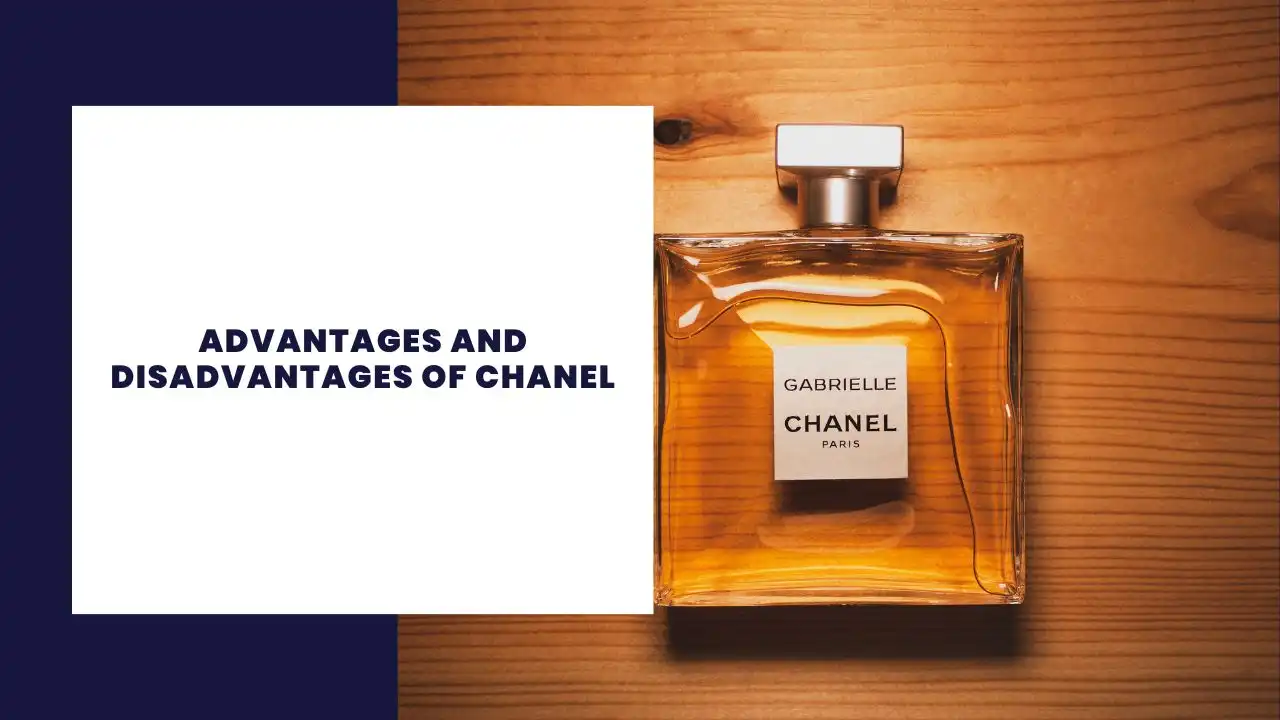
14 Advantages and Disadvantages of Chanel
Chanel is one of the most iconic names in the fashion industry, renowned for its deep-rooted legacy, timeless style, and commitment to luxury and sophistication. From the invention of the “little black dress” to the enduring success of Chanel No. 5, the brand has carved a niche in the luxury market. Founded by Gabrielle “Coco” Chanel, the house of Chanel has built its identity on elegance, craftsmanship, and exclusivity, with a presence in fashion accessories, perfume, fine jewelry, cosmetics, and skincare.
With growing global expansion and changing consumer behavior, Chanel must adapt to the evolving dynamics of luxury goods. While its brand marketing strategy reflects tradition and prestige, challenges such as economic downturns, changing consumer preferences, and the rise of e-commerce affect the brand’s ability to stay relevant. This swot analysis of Chanel outlines its primary strengths and weaknesses to understand its positioning in the global market.
- Redaction Team
- Business Planning, Entrepreneurship
Advantages of Chanel
1. Strong Brand Identity and Global Presence
Chanel is known globally as a symbol of luxury, elegance, and timeless style. Its logo and product design are synonymous with luxury and are instantly recognizable in every region, from Paris to emerging markets like China.
2. Timeless Fashion Heritage
Founded in the early 20th century by Coco Chanel, the brand introduced revolutionary concepts such as prêt-à-porter and the little black dress, both of which have had a lasting impact on fashion history. This heritage enhances brand value and customer loyalty.
3. High-Quality Craftsmanship
Whether it’s a Chanel handbag, a couture gown, or fine jewelry, Chanel maintains a meticulous commitment to quality and craftsmanship. This ensures its products remain aspirational and exclusive.
4. Iconic Fragrance Line
Chanel No. 5, developed with the help of perfumer Ernest Beaux, remains one of the best-selling perfumes globally. The brand’s perfume portfolio, including newer creations by Olivier Polge, continues to drive consumer interest.
5. Successful Expansion into Beauty
Chanel’s cosmetics and skincare products have achieved significant success in the high-end beauty market. Their aesthetic presentation and perceived quality appeal to a wide customer base.
6. Strategic Marketing and Endorsements
Through celebrity endorsements, runway shows, and influencer partnerships, Chanel executes calculated marketing strategies that preserve its luxury image while increasing brand visibility.
7. Controlled Distribution Channels
The brand sells through high-end department stores, exclusive boutiques, and selected online sales channels. This distribution strategy ensures exclusivity and maintains its prestige positioning.

Disadvantages of Chanel
1. High Price Points Limit Accessibility
A major disadvantage of Chanel is its pricing strategy. The high price of Chanel products excludes a large segment of potential consumers, especially younger audiences like Gen Z.
2. Limited Digital Engagement
While Chanel has entered e-commerce, its online sales presence lags behind competitors. In a world increasingly driven by digital marketing, the brand must evolve to tailor its marketing to changing consumer expectations.
3. Slow Adaptation to Sustainability
In an era of environmental and social impact awareness, Chanel could face backlash for being slow to adopt sustainability and ethical practices. Conscious consumers now expect transparency in materials and production.
4. Reluctance to Broaden Product Diversity
Compared to brands like Louis Vuitton, Chanel faces challenges in entering new product categories. Its tightly curated selection maintains exclusivity but may also restrict growth in diverse market segments.
5. Vulnerability to Economic Downturns
Luxury brands, including Chanel, are particularly affected by global economic shifts. During economic downturns, the demand for luxury goods often declines, which may pressure Chanel’s financial performance.
6. Limited Engagement with Emerging Markets
While present in key cities, Chanel has been relatively conservative in targeting emerging markets like China and India compared to competitors. Expanding its consumer base will require broader geographic and demographic strategies.
7. Criticism of Product Availability and Innovation
Some negative reviews highlight limited availability of popular services or products, or a lack of innovation in product launches. Chanel must continually evolve to meet the needs of consumers and stay ahead of fashion trends.
Conclusion of Advantages and Disadvantages of Chanel
The advantages and disadvantages of Chanel illustrate the complexities of managing a century-old luxury brand in a dynamic and competitive fashion industry. On one hand, the Chanel brand thrives on its heritage, strong brand image, impeccable craftsmanship, and iconic perfume collections. On the other, it must navigate modern challenges like sustainability, digital transformation, and consumer trends.
As the luxury market continues to evolve, Chanel’s success will depend on its ability to balance tradition with innovation. Investing in research and development, expanding into new markets, and enhancing its digital marketing and e-commerce efforts can help Chanel maintain its elite status. By understanding the swot analysis of Chanel, one can appreciate not just the brand’s prestige, but also the strategic decisions it must make to sustain its legacy in the years ahead.