Leveraging Business Technology: How to Compete with Larger Companies on a Small Budget
Written by
- Redaction Team
- Business Technology, Entrepreneurship
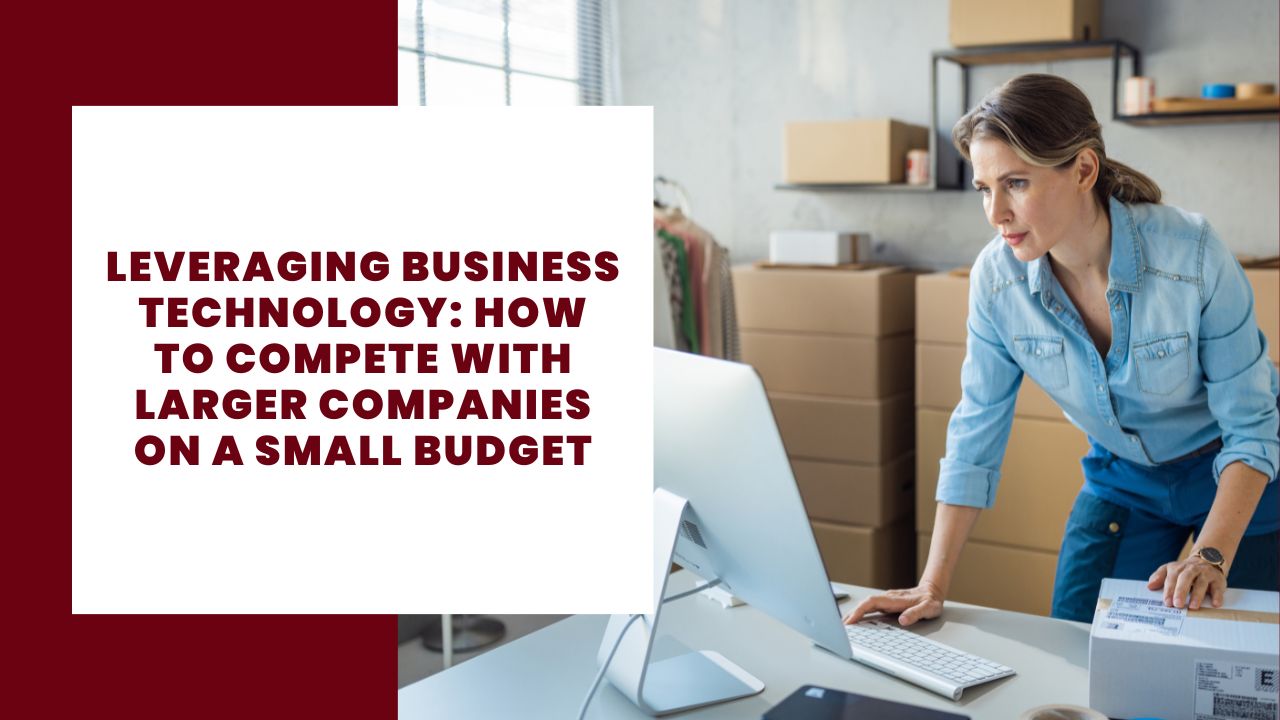
Small companies often find themselves in direct competition with larger, well-established corporations. While bigger companies have the advantage of larger budgets, small businesses can level the playing field by leveraging business technology effectively. The key is to use affordable, scalable tools that maximize efficiency and productivity without breaking the bank. This guide will explore how small businesses can use technology to compete with larger companies on a limited budget.
1. The Importance of Technology for Small Businesses
Technology is no longer a luxury—it’s a necessity. It allows small businesses to automate processes, reach wider audiences, and improve customer satisfaction, giving them a competitive edge in industries dominated by large corporations.
Key Benefits of Leveraging Technology:
- Increased Efficiency: Automating tasks saves time and resources.
- Cost Savings: Tech tools can reduce the need for additional staff or expensive outsourcing.
- Scalability: Cloud-based solutions can grow with your business without requiring significant upfront investments.
- Better Customer Experience: Technology enhances the customer experience through faster service, personalization, and improved communication.
2. Adopt Cloud-Based Solutions
Cloud-based technology has become a game-changer for small businesses. Cloud services provide affordable access to the same software and infrastructure that larger companies use without needing to maintain expensive in-house servers or software licenses.
Benefits of Cloud Solutions:
- Cost-Effective: Pay for what you use and avoid expensive hardware costs.
- Accessibility: Access your business data from anywhere, anytime, making remote work seamless.
- Scalability: Easily scale your operations up or down as your business grows or faces fluctuations in demand.
Popular Cloud-Based Tools for Small Businesses:
- Google Workspace (formerly G Suite): Offers cloud storage, email hosting, and collaboration tools like Google Docs and Sheets.
- Microsoft 365: Provides cloud-based versions of Office apps, email hosting, and collaboration tools.
- Dropbox: A cloud-based file storage and sharing solution with affordable plans for small businesses.
3. Automate Repetitive Tasks
Automation is one of the most effective ways small businesses can save time and resources while competing with larger companies. By automating repetitive tasks, such as invoicing, email marketing, or customer service, small businesses can free up valuable time to focus on growth and strategy.
Areas to Implement Automation:
- Email Marketing: Use tools like Mailchimp or HubSpot to automate email campaigns and follow-ups.
- Invoicing and Payments: Automate billing and payment processes with tools like QuickBooks or FreshBooks.
- Customer Support: Chatbots like Drift or Intercom can automate initial customer inquiries and provide 24/7 support.
- Social Media Scheduling: Tools like Hootsuite or Buffer can automate the posting of social media content, ensuring consistent engagement.
Benefits of Automation:
- Reduces Human Error: Automated systems reduce the risk of errors in tasks like accounting or scheduling.
- Saves Time: Employees can focus on high-value tasks instead of manual, repetitive ones.
- Improves Consistency: Automation ensures that tasks like marketing emails or social posts are sent out regularly without human oversight.
4. Use Affordable Customer Relationship Management (CRM) Tools
A CRM system helps businesses manage customer interactions, nurture leads, and improve customer retention. Larger companies often use expensive CRM platforms, but there are affordable options for small businesses that offer similar functionality.
Benefits of a CRM System:
- Centralized Customer Data: Keep track of customer interactions, sales history, and preferences in one place.
- Lead Management: Organize leads, track their progress, and automate follow-up emails.
- Improved Customer Satisfaction: Personalize interactions based on customer data to create a better experience.
Budget-Friendly CRM Solutions:
- HubSpot CRM: Free to start with essential features like contact management, email marketing, and sales tracking.
- Zoho CRM: A cost-effective option with scalable plans and advanced features like sales automation and analytics.
- Freshsales: An easy-to-use CRM with AI-based insights and lead management features.
5. Invest in Digital Marketing Tools
Effective digital marketing allows small businesses to reach larger audiences without the huge marketing budgets of bigger companies. By leveraging technology like social media, search engine optimization (SEO), and pay-per-click (PPC) advertising, small businesses can compete in the digital space.
Key Digital Marketing Strategies for Small Businesses:
- Search Engine Optimization (SEO): Optimize your website content with keywords and backlinks to rank higher in search results.
- Social Media Marketing: Use platforms like Facebook, Instagram, and LinkedIn to engage with customers and promote your products.
- Email Marketing: Build an email list to send personalized campaigns, promotions, and updates.
- PPC Advertising: Use Google Ads or Facebook Ads to target specific demographics and drive traffic to your site.
Essential Digital Marketing Tools:
- SEMrush: A powerful tool for keyword research, SEO optimization, and competitor analysis.
- Canva: An affordable, easy-to-use platform for creating professional graphics and marketing materials.
- Mailchimp: A leading email marketing tool with automation features and detailed analytics.
6. Leverage E-Commerce Platforms
Many small businesses can reach a global customer base by selling online. E-commerce platforms make it easy to set up an online store without the technical expertise or budget required for custom-built solutions.
Benefits of E-Commerce for Small Businesses:
- Low Overhead: No need for a physical storefront.
- Wider Audience Reach: Reach customers beyond your local area or region.
- Convenient Shopping Experience: Offer customers the convenience of online shopping from any device.
Affordable E-Commerce Platforms:
- Shopify: A user-friendly platform for building and managing an online store, with a variety of plans based on your needs.
- WooCommerce: A free plugin for WordPress websites, allowing you to create a customizable online store with minimal upfront costs.
- Etsy: A marketplace for selling handmade, vintage, or unique items, ideal for small businesses with niche products.
7. Adopt Project Management Software
Project management tools help small businesses stay organized, manage workflows, and collaborate efficiently. Larger companies use project management software to handle complex operations, but small businesses can access affordable, user-friendly alternatives.
Benefits of Project Management Tools:
- Streamlined Workflows: Keep track of tasks, deadlines, and team responsibilities.
- Enhanced Collaboration: Teams can collaborate in real-time, share files, and communicate within the platform.
- Task Automation: Automate task assignment and notifications to improve productivity.
Popular Project Management Tools for Small Businesses:
- Trello: A simple, visual project management tool that’s free for basic use.
- Asana: A versatile platform with advanced features for task management, collaboration, and reporting.
- Monday.com: A customizable project management tool that offers a range of features, from team collaboration to task automation.
8. Utilize Affordable Cybersecurity Solutions
Cybersecurity is critical for businesses of all sizes. Small businesses are often targeted by cybercriminals because they tend to have weaker security measures compared to larger corporations. Investing in affordable cybersecurity solutions can protect your business from data breaches and cyberattacks.
Affordable Cybersecurity Measures:
- Firewalls and Antivirus Software: Use tools like Norton or McAfee to protect your devices from malware and viruses.
- Encryption: Encrypt sensitive customer and business data to prevent unauthorized access.
- Two-Factor Authentication (2FA): Implement 2FA for all company accounts to add an extra layer of security.
- Regular Backups: Use cloud-based backup services to ensure that critical data is not lost in the event of a cyberattack.
Low-Cost Cybersecurity Solutions:
- LastPass: A password manager that stores encrypted passwords and ensures secure login credentials.
- Cloudflare: Provides web security services, including protection from DDoS attacks and encryption for websites.
- Bitdefender: Offers affordable antivirus and endpoint protection software.
9. Incorporate Virtual Communication Tools
With the rise of remote work, communication tools have become essential for keeping teams connected and productive. Larger companies often have dedicated communication infrastructure, but small businesses can use affordable virtual communication tools to stay in touch with employees and clients.
Key Communication Tools for Small Businesses:
- Zoom: Offers affordable video conferencing solutions for team meetings, webinars, and client calls.
- Slack: A messaging platform for real-time communication, file sharing, and team collaboration.
- Google Meet: Provides video conferencing and screen sharing, integrated with Google Workspace for seamless communication.
10. Outsource to Freelancers and Contractors
Rather than hiring full-time employees for every role, small businesses can take advantage of freelancers and contractors to fill temporary or specialized needs. By outsourcing tasks such as graphic design, content writing, or software development, you can access high-quality services without the overhead costs of hiring full-time staff.
Benefits of Outsourcing:
- Cost Savings: Pay only for the services you need, without the long-term commitment of a full-time employee.
- Access to Expertise: Hire professionals with specific skills and experience.
- Flexibility: Scale your workforce up or down as needed, based on project demands.
Platforms to Find Freelancers:
- Upwork: A platform for hiring freelancers in a wide range of fields, from writing to web development.
- Fiverr: Ideal for smaller, quick projects like logo design or marketing services.
- Toptal: A platform for finding high-level freelancers and contractors with specialized expertise.
Conclusion
Competing with larger companies on a small budget may seem daunting, but by leveraging business technology effectively, small businesses can level the playing field. From cloud solutions to automation, digital marketing, and affordable project management tools, small businesses have access to an array of technologies that can optimize their operations, reach new audiences, and improve overall efficiency. With the right strategy and tools in place, any small business can compete with the big players and carve out its space in the market.
More about Business Technology