In an era defined by rapid technological advancements, the restaurant industry is undergoing a transformation like never before. Innovations are emerging to enhance efficiency, improve customer experiences, and boost revenue for establishments of all sizes.
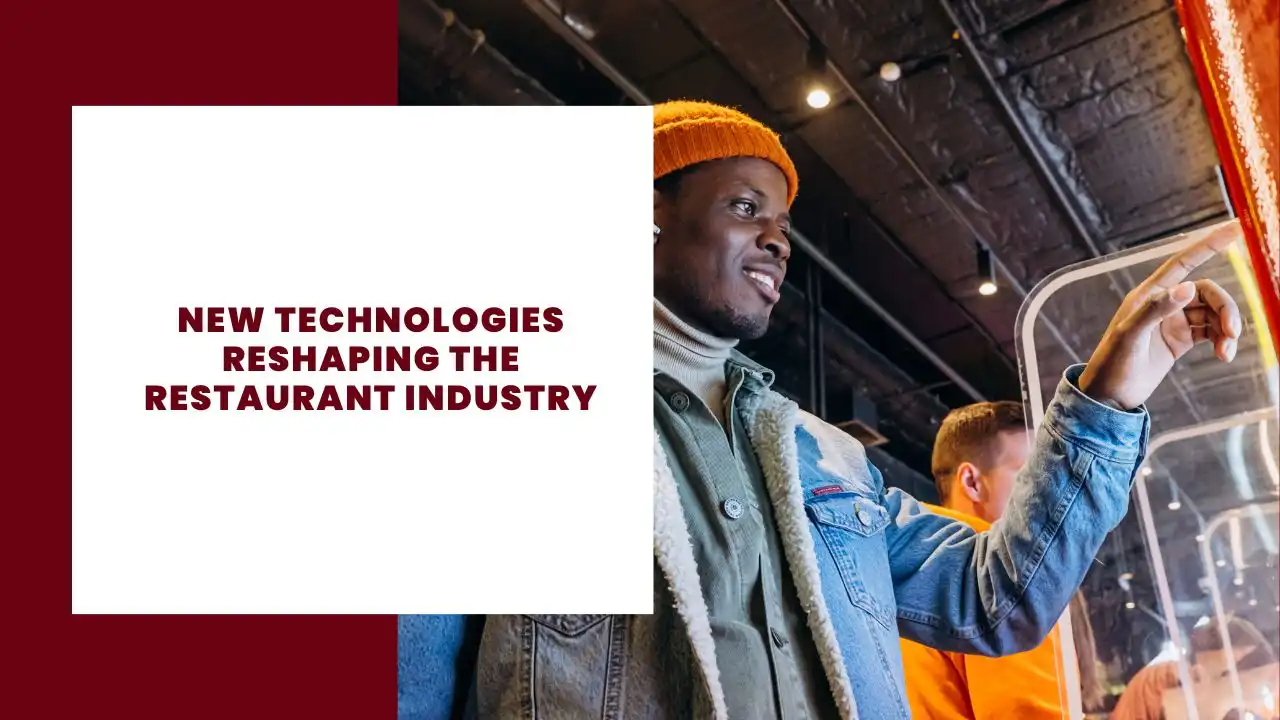
One such groundbreaking technology making waves in the restaurant sector is the self ordering kiosk.
the importance of technology innovation in Restaurants
Technology innovation plays a pivotal role in shaping the future of the restaurant industry, offering solutions that go beyond mere convenience.
One prime example is the integration of smart kitchen systems, which leverage advanced data analytics and automation to optimize workflow and enhance efficiency. These systems enable chefs to manage inventory more effectively, minimize food waste, and streamline the cooking process, ultimately contributing to cost savings and improved sustainability.
Additionally, mobile ordering and delivery apps have become essential tools for restaurants, allowing them to tap into the growing trend of online food ordering and reach a broader customer base.
Moreover, tableside payment systems and digital menus enhance the overall dining experience, providing customers with the flexibility to pay at their convenience and explore interactive, visually appealing menus.
The utilization of reservation management software is yet another technological innovation that empowers restaurants to efficiently manage seating arrangements, reduce wait times, and enhance customer satisfaction.
As technology continues to evolve, its integration into the restaurant ecosystem will undoubtedly play a crucial role in driving growth, increasing operational efficiency, and elevating the overall dining experience.
Self-Ordering Kiosks: A Game-Changer for Restaurants
Self-ordering kiosks have emerged as a pivotal technology, offering a seamless and efficient way for customers to place their orders.
These interactive touch-screen terminals are designed to cater to restaurants of all sizes, from fast-food joints to upscale dining establishments.
The benefits extend far beyond convenience, impacting revenue, customer satisfaction, and operational efficiency.
Increased Revenue: Self-ordering kiosks empower customers to explore the menu at their own pace, encouraging them to discover and add additional items to their orders. The intuitive interface often suggests complementary items or promotions, subtly driving upsells. This personalized approach significantly contributes to an increase in the average order value, thereby boosting overall revenue.
Time Efficiency: Time is of the essence in the restaurant industry, and self-ordering kiosks streamline the ordering process, reducing wait times for customers. With the ability to process orders swiftly and accurately, these kiosks facilitate a faster turnover of tables, enabling restaurants to serve more guests during peak hours. This not only improves customer satisfaction but also maximizes the restaurant's earning potential.
Labor Cost Savings: Unlike traditional ordering methods that may require additional staff during peak hours, self-ordering kiosks operate independently, minimizing the need for extra personnel. This not only helps control labor costs but also allows restaurant staff to focus on other crucial aspects of service, such as food preparation and customer engagement.
Enhanced Order Accuracy: Human errors in taking orders are not uncommon, leading to customer dissatisfaction and potential revenue loss. Self-ordering kiosks eliminate such errors by allowing customers to input their preferences directly. This not only ensures order accuracy but also enhances the overall dining experience, contributing to repeat business and positive word-of-mouth.
Implementation Across Various Restaurant Models
Self-ordering kiosks are versatile and adaptable, making them suitable for a wide range of restaurant formats. From quick-service restaurants looking to expedite the ordering process to fine-dining establishments aiming to provide a modern and interactive dining experience, these kiosks can be customized to meet specific requirements.
Conclusion
The adoption of self-ordering kiosks represents a significant leap forward in the restaurant industry’s embrace of technology. As customers increasingly seek convenience and efficiency in their dining experiences, these kiosks offer a solution that benefits both patrons and restaurant owners.
By increasing revenue, saving time, and improving order accuracy, self-ordering kiosks are proving to be a valuable asset in reshaping the landscape of modern dining establishments. Restaurants that invest in these technologies are not just keeping up with the times but are positioning themselves as leaders in providing an innovative and customer-centric dining experience.
We use cookies on our website to give you the most relevant experience by remembering your preferences and repeat visits. By clicking “Accept”, you consent to the use of ALL the cookies.
This website uses cookies to improve your experience while you navigate through the website. Out of these, the cookies that are categorized as necessary are stored on your browser as they are essential for the working of basic functionalities of the website. We also use third-party cookies that help us analyze and understand how you use this website. These cookies will be stored in your browser only with your consent. You also have the option to opt-out of these cookies. But opting out of some of these cookies may affect your browsing experience.
Necessary cookies are absolutely essential for the website to function properly. This category only includes cookies that ensures basic functionalities and security features of the website. These cookies do not store any personal information.
Any cookies that may not be particularly necessary for the website to function and is used specifically to collect user personal data via analytics, ads, other embedded contents are termed as non-necessary cookies. It is mandatory to procure user consent prior to running these cookies on your website.