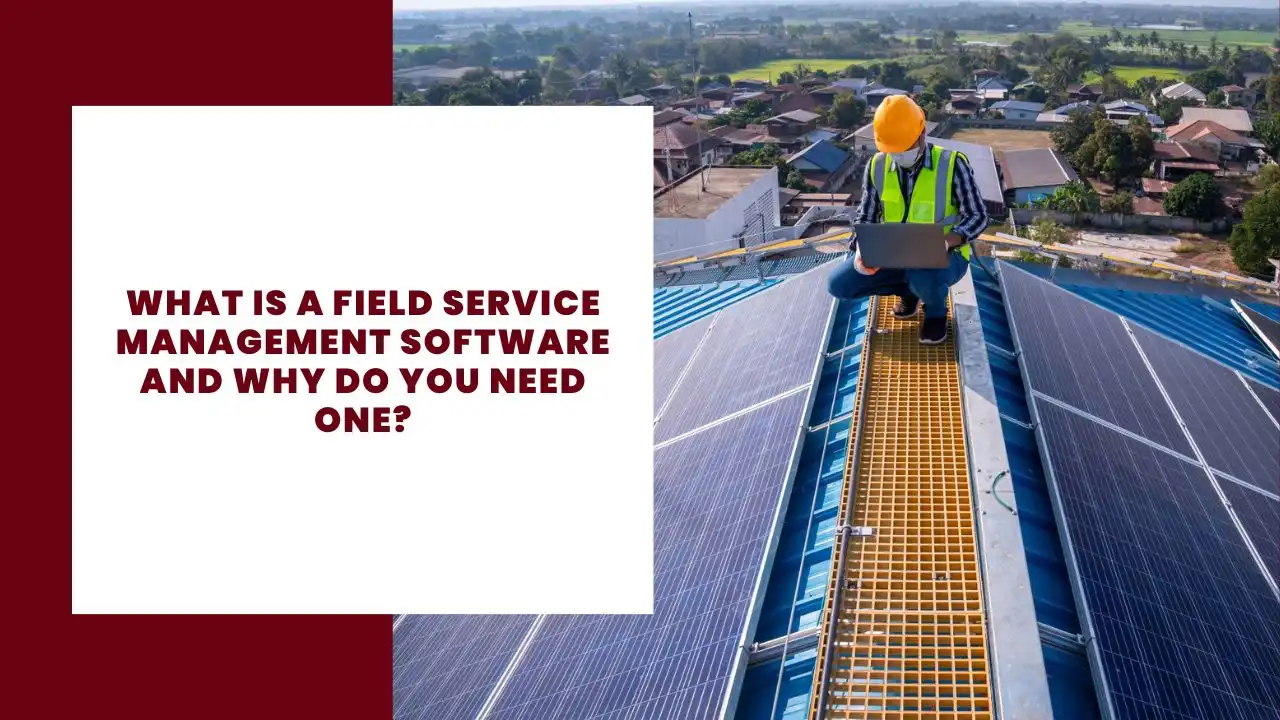
What Is A Field Service Management Software And Why Do You Need One?
Written by
- Redaction Team
- Business Technology, Entrepreneurship
Whenever there’s a need for a workflow or a task to be made more efficient, computing technology latches on to it. And in any industry, software companies find pain points or problems to solve.
This is the case in industries like telecommunications, utilities, construction, residential services, and hotel and accommodation niches. Because these markets operate in such a way where there’s a central office dispatching and personnel to perform services on fieldwork or the client’s premises, it became intuitive for information technology firms to create a solution catering to all parties.
What is Field Service Management Software?
Field service management (FSM) is the process of running operations, sending technicians or service persons, and deploying equipment to the field (i.e., the customer’s location). One concrete example is when an HVAC (heating, ventilation, and air-conditioning) company needs to repair an air filtration system in a client’s office.
To help in this process, FSM software is a good tool to test and incorporate into your system. Field service management software includes many features and capabilities, including invoicing, equipment tracking, CRM (customer relationship management), and job scheduling.
In addition to its predominantly office-based workflows above, the software also has a mobile interface where technicians can manage their workload and a customer-facing application (usually web-based) where clients can request services.
One example of a popular FSM software is Jobber. And because large and small service businesses have unique needs that sometimes can’t be found in just one software solution, Jobber alternatives have taken their share of this IT segment.
While larger enterprises often require complex systems with multi-user permissions, independent operators have different priorities. A single technician running a business alone does not need enterprise-level dispatching tools that complicate daily operations. Instead, they require simple tools that combine invoicing and scheduling into one easy interface. Finding the best field service software for solo contractors helps these individuals save hours of administrative work every week. This allows them to focus on actual field tasks rather than getting stuck behind a computer screen.
Why You Need An FSM Software
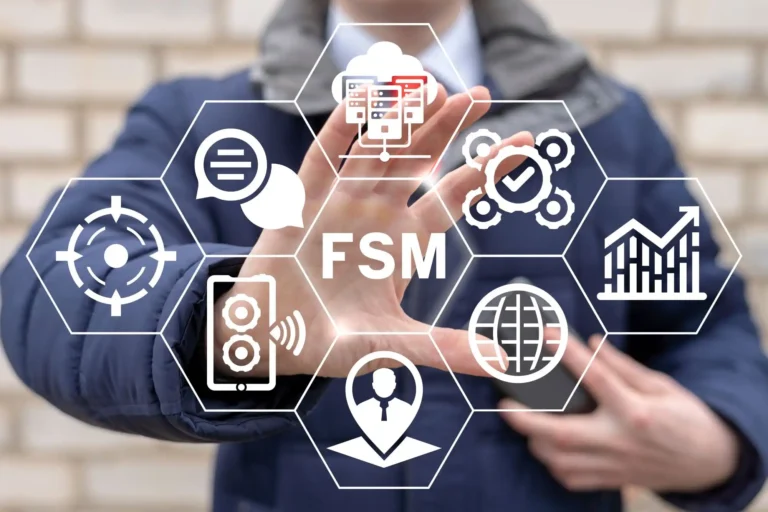
If you’re still on the fence about whether to use FSM software at your professional services company, here are seven reasons why you need one:
1. If You Need Accurate Field Data
Monitoring and reporting become more efficient and convenient when done in real time. For example, if the solar panel repair person used spare parts for their work order, they can send a report about this on their mobile app. The central office part of the software receives this input and automatically updates the inventory. Your business can then forecast how many of these parts you will order from your suppliers for next month’s work orders.
2. If Your Firm Needs To Save On Costs
One way to go paperless (and save on supplies costs) is to digitize office and field tasks. For example, telco technicians can fill in reports onsite using their mobile devices or computer. On the other hand, customers can answer service request forms on your company’s web-based portal. In both cases, there’s no need for pen and paper to keep records.
3. To Minimize Non-Compliance And Safety Issues
One helpful feature of FSM software is how it can let field personnel access the company knowledge base containing information about the product their servicing or the kind of structure (e.g., fireplaces) they’re working on. A case in point is when a homeowner in the US wants their annual chimney sweep to be certified by the Chimney Safety Institute of America (CSIA).
Additionally, in the case of compliance audits, field workers can take pictures of their finished work to be included in safety and inspection reports.
4. If Productivity Is Low
Productivity can sometimes become hard to measure, especially for small enterprises that do not wish to implement rigid key performance indicators or KPIs on their workers. But if you’re looking to enhance your business’s productivity further, consider FSM software with dynamic checklists.
For example, when fixing a router, a repair person from an internet service provider (ISP) can employ one solution from among different troubleshooting checklists, depending on the router’s brand and specifications and the customer’s wiring setup at their house. This way, your personnel’s workflows can be streamlined according to the best solution unique to the customer’s product and set up, which can increase your overall first-time fix rate.
5. If Field Tasks Need More Flexibility
Daily housekeeping in a hotel requires the staff to be alert when their clients are not in their hotel rooms so that they can perform their cleaning duties. This requires flexibility on the part of the management: they should be able to coordinate cleaning tasks in ways that are not too overwhelming for the cleaners.
Organizing the jobs should also be prompt so they can be done within the time window when the customers are away. A nimble mobile workforce management software can work well with these types of daily operations.
6. If There Is Inefficiency In Your Firm's Workflows
Technology also comes beneficial in boosting efficiency in service companies. For example, a power company’s field operations can be made more efficient with the help of a robust FSM solution. Technical work orders can be dispatched from the central office according to the nature of work needed, the technician’s location, the technician’s skill set, and the spare parts he has. In this way, inefficient dispatches where the technician’s skill set is different from what’s needed onsite will be a rare occurrence.
7. If Customer Satisfaction Is Poor
Large and small businesses alike can boost their revenue through excellent customer experience. In the field service industry, the way to do this is to keep the customer in the loop. It means keeping them updated about the progress of their service requests through your client-facing app or web-based site integrated into your FSM software.
For example, a construction supplies company can wow its contractor clients from start to finish. This is from when the contractor fills out the order form down to the cargo tracking and to the actual delivery and invoicing of the materials at the client’s warehouse. A global-positioning-system- or GPS-enabled FSM solution can also help you keep up those positive reviews!
Conclusion
The opportunities mentioned above are some pain points and operations issues that field service management software and solutions try to address. You may find others along your journey as a service provider. In that case, you might want to try one to see if it fits your system.
More about Business Technology